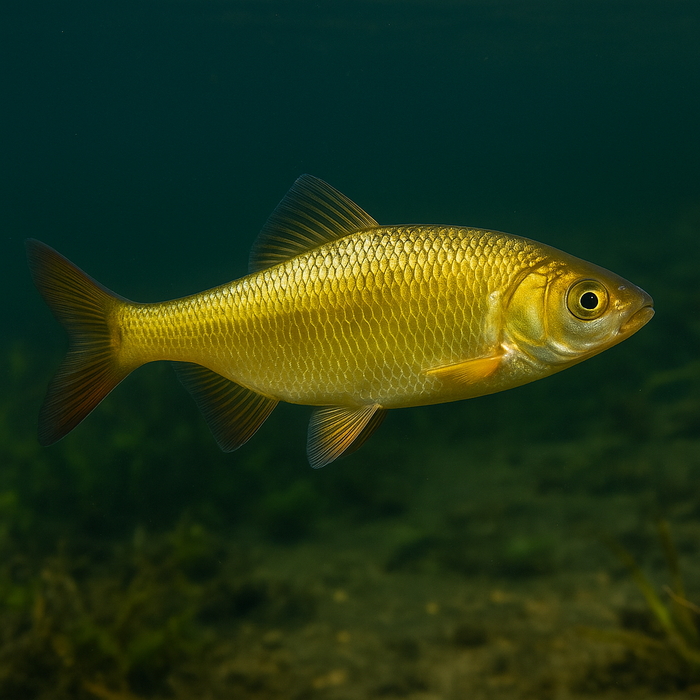
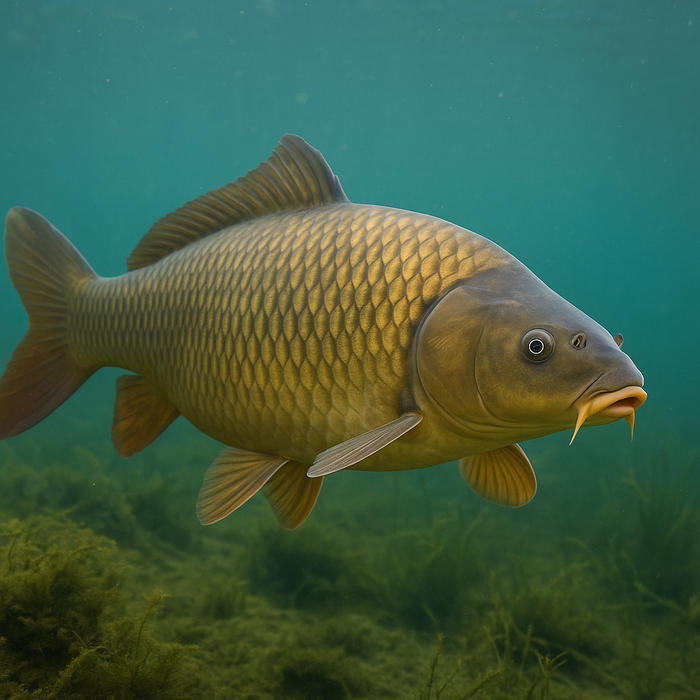
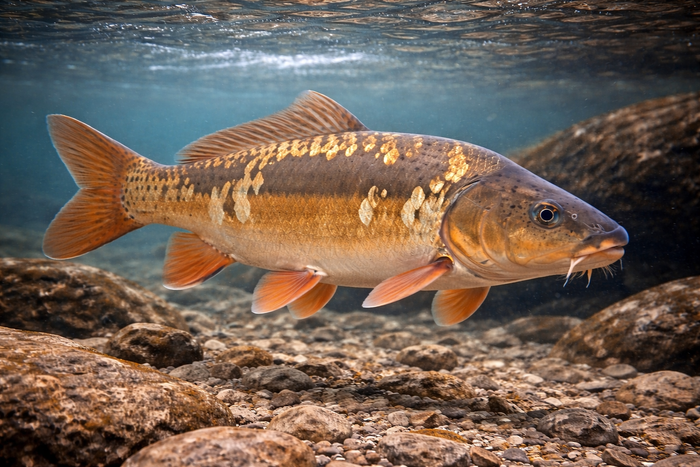
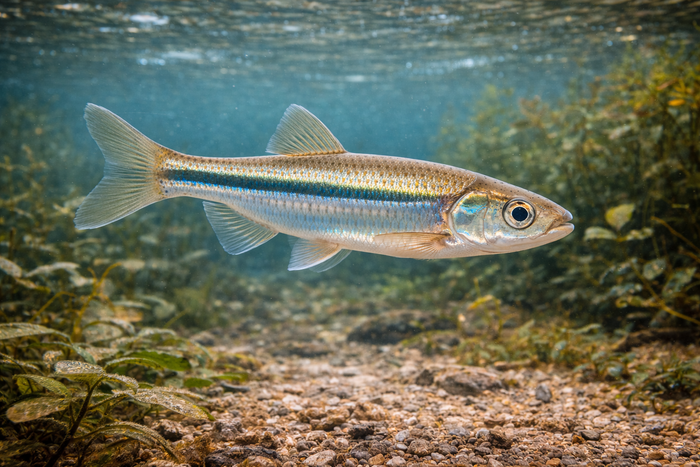
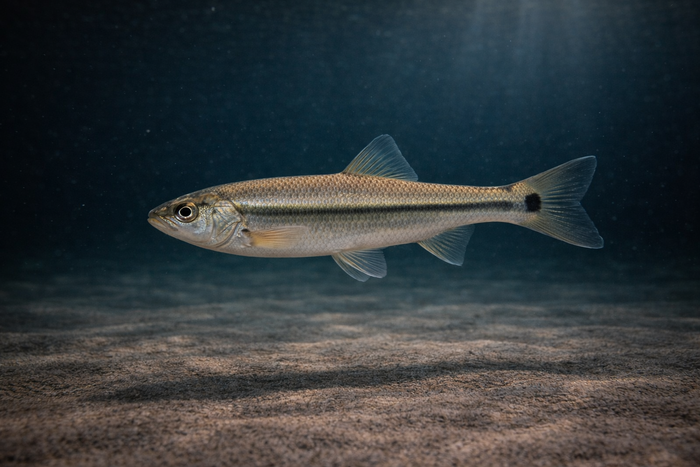
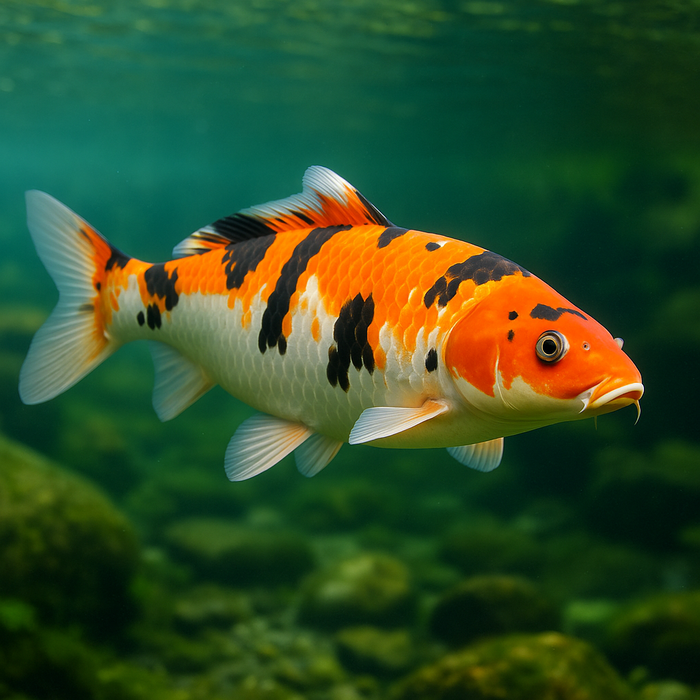
Common Goldfish (Carassius auratus): The Original Aquarium Icon That Refuses to Be Just a Pretty Face
The Common Goldfish is more than just a backyard pond decoration or a childhood pet. This species, Carassius auratus, has a history that stretches back thousands of years, making it one of the earliest domesticated fish. It’s a living testament to how humans have shaped aquatic life for aesthetics, companionship, and even cultural symbolism. But beneath its shiny scales lies a resilient survivor with surprising adaptability and a story worth knowing beyond the cliché goldfish bowl.
What Makes the Common Goldfish Unique?
The Common Goldfish isn’t just a splash of orange or gold; it’s a master of variation and endurance. Unlike many ornamental fish bred for looks alone, the Common Goldfish has a wild counterpart that thrives in natural waters. Its ability to tolerate a wide range of temperatures and water conditions sets it apart from more delicate aquarium species. This adaptability has made it a global staple in freshwater habitats.
Physiologically, the Common Goldfish boasts a robust digestive system and a high tolerance for low oxygen environments. It can grow significantly larger than the stereotypical three-inch pet, sometimes reaching over a foot in length in the right conditions. Its body shape, scale patterns, and coloration vary wildly due to selective breeding, but the classic orange-gold hue remains the most recognizable.
Habitat & Global Range
Originally native to East Asia, specifically China, the Common Goldfish’s natural habitat includes slow-moving rivers, lakes, and ponds with abundant vegetation. Its natural environment is typically temperate freshwater bodies with moderate temperatures and plenty of cover. The Common Goldfish habitat is characterized by calm waters where it can forage on the bottom and mid-water levels.
Thanks to centuries of human intervention, the Common Goldfish now inhabits freshwater systems worldwide. It’s been introduced to North America, Europe, and beyond, often escaping from captivity into local waterways. This global spread has made it one of the most widespread freshwater fish species on the planet. In many places, it thrives in urban ponds, canals, and even some wild rivers, adapting to a variety of water qualities.
Behavior & Temperament
Don’t let the Common Goldfish’s placid appearance fool you. This fish is an active forager and surprisingly social creature. It spends much of its time sifting through substrate for food, nibbling on algae, insects, and plant matter. It’s a daytime feeder with keen eyesight and a curious nature, often investigating anything new in its environment.
Temperament-wise, Common Goldfish are generally peaceful but can be competitive when food is involved. They’re not aggressive but will jockey for position in crowded tanks or ponds. They also display a rudimentary social hierarchy and can recognize individual companions, showing preferences for certain tank mates.
Their behavior changes with seasons; in colder months, they slow down significantly, entering a state akin to hibernation. This dormancy is a survival tactic that allows them to endure harsh conditions, making them remarkably hardy compared to tropical fish.
Ecological Importance
The Common Goldfish plays a complex role in ecosystems where it has been introduced. As omnivores, they influence aquatic plant communities by grazing on algae and vegetation, which can alter habitat structure for other species. Their foraging stirs up sediment, affecting water clarity and nutrient cycling.
In some ecosystems, Common Goldfish compete with native fish for food and habitat, sometimes to the detriment of local biodiversity. However, in their native range, they are integral to food webs, serving as prey for larger fish and birds while helping control insect populations.
Their presence in urban and suburban water bodies also provides an accessible example of freshwater ecology for educational purposes, bridging the gap between humans and aquatic environments.
Conservation & Environmental Pressures
While the Common Goldfish itself is not endangered, its widespread introduction has environmental consequences. Escaped or released goldfish can become invasive, outcompeting native species and disrupting local ecosystems. Their hardiness allows them to survive in degraded habitats where native fish struggle.
Pollution, habitat destruction, and climate change impact wild populations, especially in their native range. However, the species’ overall resilience and popularity in aquaculture mean it remains abundant.
Conservation efforts focus less on protecting the Common Goldfish and more on managing its impact on native ecosystems. Responsible pet ownership and preventing release into the wild are critical to minimizing ecological damage.
The FishyAF Take
The Common Goldfish is a paradox wrapped in scales. It’s the poster child for domestication and ornamental fishkeeping, yet it’s a tough, adaptable survivor that has colonized freshwater habitats worldwide. Understanding Common Goldfish facts beyond the surface reveals a species that’s more than just a pretty face in a bowl. It’s a living example of how human culture and natural biology intertwine, for better or worse.
If you’re thinking about adding a Common Goldfish to your tank or pond, remember you’re dealing with a fish that can live decades, grow large, and demands more care than a quick toss into a tiny bowl. Respect its adaptability but don’t underestimate its ecological footprint. The Common Goldfish is a bold reminder that even the most familiar species have complex stories worth telling.