Golden Shiner (Notemigonus crysoleucas): The Flashy Baitfish That Commands Attention
The Golden Shiner is more than just a flashy minnow swimming in North American waters. This species has carved out a reputation as a resilient, adaptable, and downright essential player in freshwater ecosystems. Whether you’re an angler scouting for top-notch bait or a naturalist curious about freshwater dynamics, the Golden Shiner demands your attention. It’s a fish that blends subtle beauty with ecological muscle, making it a standout among the countless minnows in the game.
What Makes the Golden Shiner Unique?
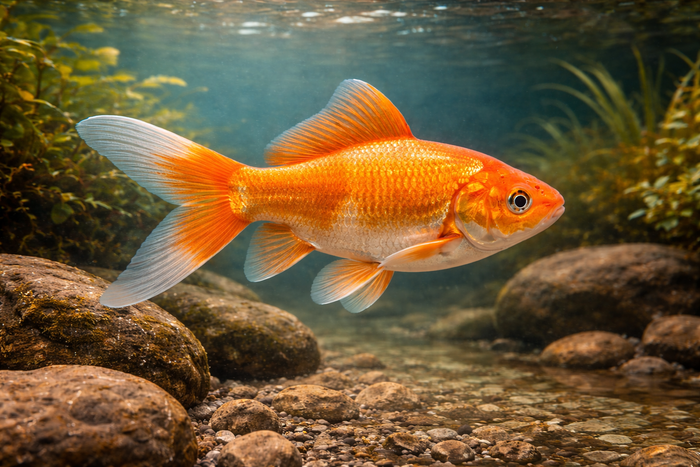
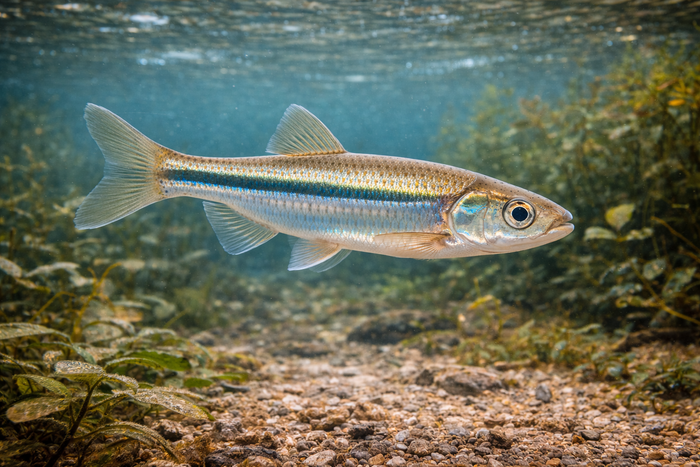
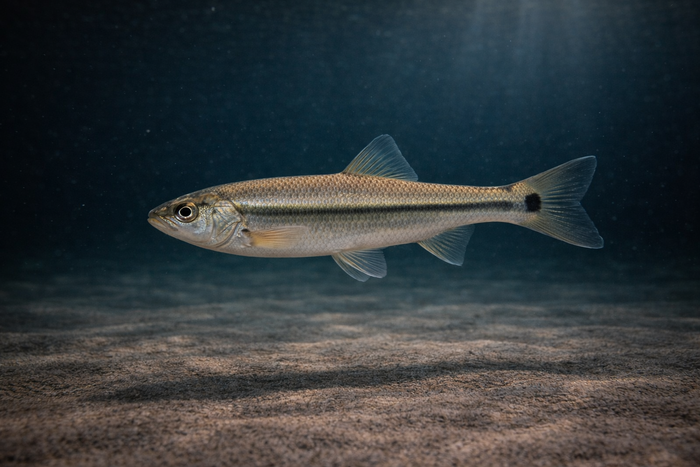
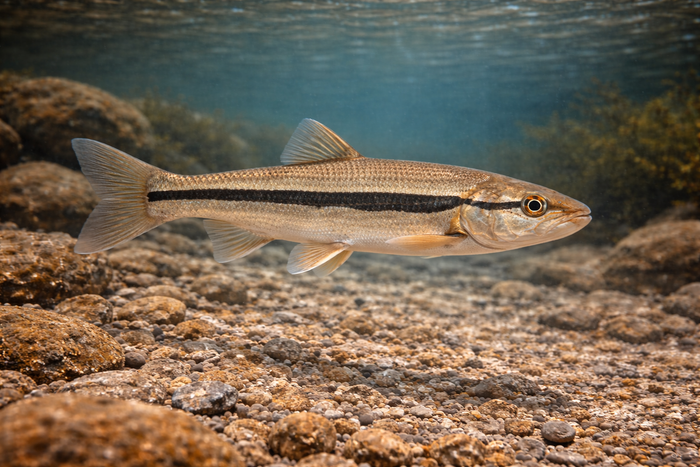
Golden Shiners are instantly recognizable by their shimmering, golden-yellow sides and sleek, laterally compressed bodies. But their looks are only the beginning. Unlike many minnows, Golden Shiners have a remarkable ability to tolerate a wide range of environmental conditions. They thrive in waters that would make other species wilt—murky, low-oxygen ponds, sluggish streams, and even brackish estuaries.
Their feeding strategy is another point of interest. Golden Shiners are omnivorous, but they have a particular knack for filter-feeding on plankton and detritus. This ability allows them to exploit food sources unavailable to many competitors. Plus, their schooling behavior is tight and coordinated, which not only confuses predators but also maximizes foraging efficiency.
Golden Shiners also possess a unique reproductive strategy. They spawn in shallow, vegetated waters, often in massive groups. This mass spawning increases the odds of survival for their offspring, flooding the environment with eggs and fry to overwhelm predators.
Habitat & Global Range
Golden Shiner habitat spans a broad swath of North America, from the cold northern reaches of Canada down to the warmer waters of the southern United States. They prefer still or slow-moving freshwater environments—think ponds, lakes, backwaters, and sluggish rivers. Their tolerance for low oxygen and murky conditions means they often dominate habitats where other fish struggle.
This adaptability has led to Golden Shiners being introduced outside their native range, sometimes with mixed ecological consequences. Their presence in new waters can disrupt local food webs, but it also reflects their hardiness and ability to colonize diverse environments.
Behavior & Temperament
Golden Shiners are schooling fish, and they do it with style. Their tight, synchronized movements are a defense mechanism against predators, creating a shimmering, shifting mass that’s hard to target. This schooling also facilitates social interaction and efficient feeding.
They are generally peaceful and non-aggressive, making them ideal for community tanks in aquaculture or baitfish culture. However, their survival instincts kick in when threatened, and they can dart with surprising speed.
Their feeding behavior is opportunistic. They’ll consume algae, small invertebrates, and organic detritus, adjusting their diet based on availability. This flexibility is a key factor in their success across varied habitats.
Ecological Importance
Golden Shiners are a cornerstone species in many freshwater ecosystems. As primary consumers, they help regulate plankton populations and recycle nutrients through their feeding activities. Their role as prey is equally critical; they are a favorite food source for larger fish, birds, and other wildlife.
Their spawning behavior contributes to habitat complexity by supporting a diverse array of aquatic organisms. The eggs and fry provide a seasonal feast for predators, while adults sustain higher trophic levels year-round.
In some systems, Golden Shiners also influence water quality. By feeding on detritus and algae, they can help control excessive organic buildup, indirectly supporting healthier aquatic environments.
Conservation & Environmental Pressures
Despite their resilience, Golden Shiners face threats from habitat destruction, pollution, and competition with invasive species. Wetland drainage and river channelization reduce the availability of their preferred slow-moving habitats. Agricultural runoff and urban pollution degrade water quality, impacting their survival and reproductive success.
Introductions outside their native range have sometimes led to ecological imbalances, where Golden Shiners outcompete native species or alter food web dynamics. Managing these populations requires careful monitoring and sometimes intervention.
Climate change adds another layer of complexity. Shifts in temperature and precipitation patterns can alter Golden Shiner habitat availability and water chemistry, challenging their adaptability in the long term.
The FishyAF Take
The Golden Shiner is a fish that punches well above its weight class. It’s flashy enough to catch your eye but tough enough to survive where others fail. For anglers, it’s the go-to baitfish that reliably attracts bigger game. For ecologists, it’s a vital thread in the freshwater tapestry, balancing ecosystems and supporting biodiversity.
Understanding Golden Shiner facts and habitat isn’t just trivia—it’s a window into freshwater resilience and adaptability. This species embodies the gritty, no-nonsense survival tactics that keep aquatic ecosystems humming. If you want to appreciate freshwater life beyond the headline species, the Golden Shiner is your gateway. It’s a fish that deserves respect, not just for its golden glow but for its ecological grit and versatility.