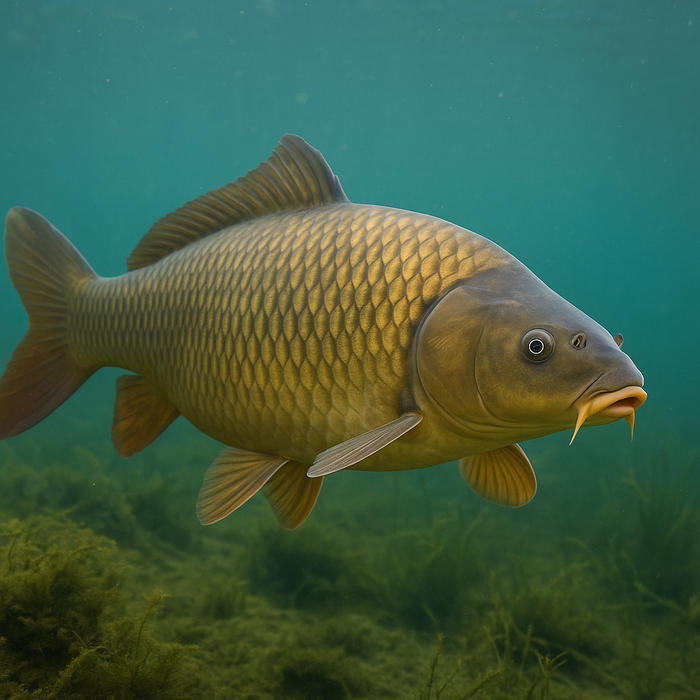
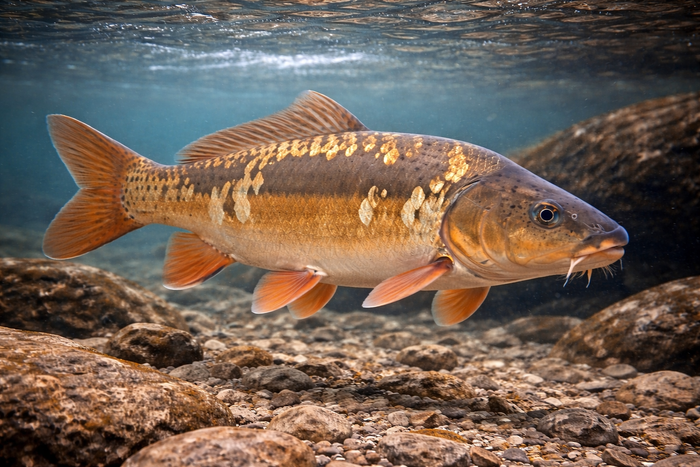
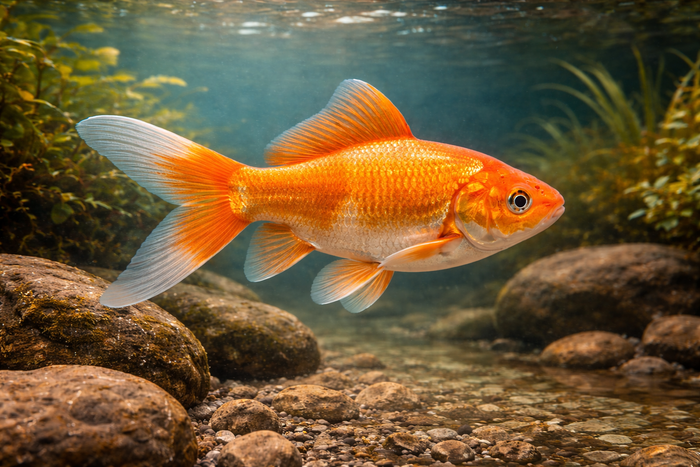
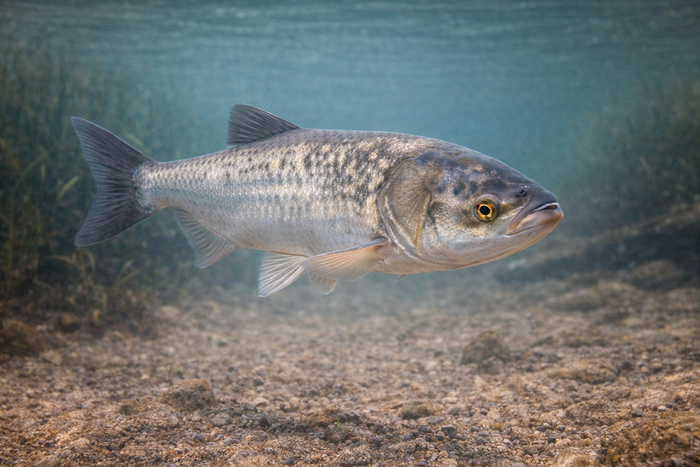
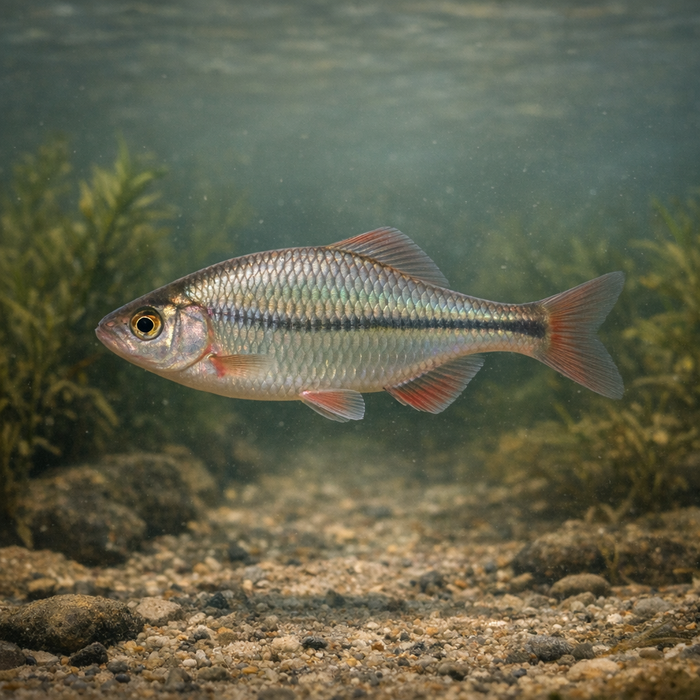
Koi (Cyprinus rubrofuscus): The Living Canvas of Ponds and Culture
Koi are more than just colorful fish swimming in your backyard pond. They are living symbols of beauty, resilience, and tradition. Originating from East Asia, these ornamental carp have captivated humans for centuries with their striking patterns and graceful movements. Understanding Koi goes beyond admiring their vibrant scales; it involves appreciating their biology, behavior, and the role they play in ecosystems and culture worldwide.
What Makes the Koi Unique?
Koi stand out because they are essentially domesticated versions of the wild Amur carp, Cyprinus rubrofuscus. Selective breeding over hundreds of years has produced a dazzling array of colors and patterns—reds, whites, blacks, yellows, blues, and metallic sheens. This genetic diversity is unmatched in the fish world, making each Koi a unique piece of living art.
Their size and longevity also set them apart. Koi can grow impressively large and live for decades, sometimes surpassing 50 years under ideal conditions. Their hardy nature allows them to thrive in outdoor ponds, tolerating a wide range of temperatures and water qualities. Unlike many ornamental fish, Koi are robust and adaptable, which has helped them become a global phenomenon.
Habitat & Global Range
Originally native to East Asia, Koi’s natural ancestors inhabited slow-moving rivers, lakes, and floodplains with abundant vegetation. Their preferred environment includes clear, well-oxygenated water with moderate temperatures. Over centuries, humans have introduced Koi worldwide, especially in ornamental ponds, water gardens, and parks.
Today, Koi habitat is mostly artificial, but they can survive in natural freshwater bodies where conditions are suitable. They are found across Asia, Europe, North America, and beyond. Their ability to adapt to various climates—from temperate to subtropical—has made them a staple in ornamental fishkeeping globally.
Behavior & Temperament
Koi are social fish with a calm, curious demeanor. They often swim in groups, displaying a peaceful temperament that makes them ideal for community ponds. Despite their placid nature, Koi are intelligent and can recognize their caretakers, often responding to feeding routines with enthusiasm.
They are bottom and mid-water feeders, rooting through sediment for insects, algae, and plant material. Their behavior includes occasional surface feeding, especially when hand-fed, which has contributed to their popularity among hobbyists.
Koi can be territorial during breeding seasons but generally coexist peacefully. Their size and slow movements mean they are not aggressive, but they do require ample space to avoid stress and maintain health.
Ecological Importance
While Koi are primarily ornamental, their ecological impact is significant when introduced into non-native environments. In controlled pond settings, they contribute to nutrient cycling by consuming algae and detritus, helping maintain water clarity.
However, in wild or semi-wild habitats, escaped or released Koi can disrupt local ecosystems. Their feeding habits can uproot aquatic plants and increase water turbidity, affecting native species. They may compete with indigenous fish for food and habitat, sometimes leading to ecological imbalance.
Despite these concerns, Koi also serve as bioindicators in their environments. Their health reflects water quality and ecosystem status, making them valuable for environmental monitoring in managed settings.
Conservation & Environmental Pressures
Koi themselves are not endangered; their domesticated status and widespread breeding ensure their survival. However, the wild populations of their ancestor species face pressures from habitat loss, pollution, and overfishing in native ranges.
Environmental changes such as river damming and water pollution threaten wild carp habitats. Conservation efforts focus on protecting these natural populations and maintaining genetic diversity, which is crucial for the species’ resilience.
In the ornamental fish trade, ethical breeding practices and disease management are essential to prevent the spread of pathogens and maintain healthy stocks. Responsible hobbyists and breeders play a role in minimizing environmental impacts by avoiding the release of Koi into the wild.
The FishyAF Take
Koi are the rock stars of the freshwater fish world—vibrant, enduring, and culturally iconic. Their unique blend of beauty and hardiness makes them a favorite for pond keepers and fish enthusiasts everywhere. But don’t let their serene appearance fool you. Koi have a complex ecological footprint and a rich history that demands respect.
If you’re diving into Koi facts or planning your own Koi habitat, remember this: these fish are living artworks that need space, clean water, and thoughtful care. They’re not just decoration; they’re a legacy of human fascination with nature’s palette. Treat them well, and they’ll reward you with decades of mesmerizing presence. Neglect their needs or release them irresponsibly, and you risk ecological chaos.
In short, Koi are a bold statement in any pond—both visually and environmentally. Know their story, respect their biology, and enjoy the splash of color they bring to your aquatic world.