European Chub (Squalius cephalus): The River’s Bold General with a Taste for Adventure
Meet the European Chub, a freshwater fish that commands attention with its stout body, broad head, and unmistakable confidence. Far from a wallflower, this species is a staple of European rivers and streams, known for its adaptability and bold behavior. Whether you’re a seasoned angler or a curious naturalist, understanding the European Chub offers a window into the dynamic world of river ecosystems. This guide dives deep into European Chub facts, exploring what sets this fish apart and why it matters.
What Makes the European Chub Unique?
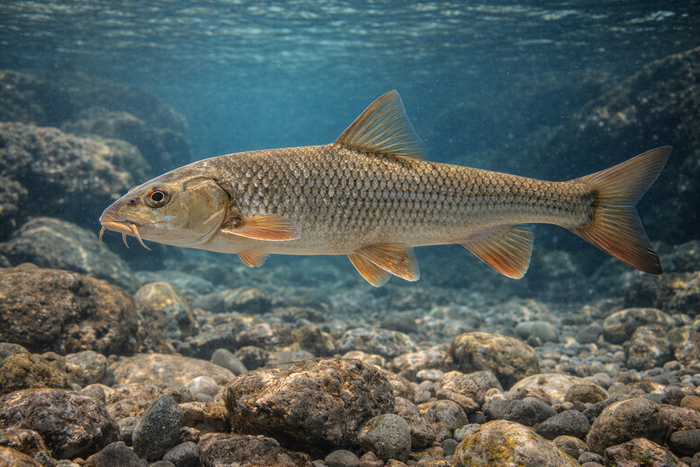
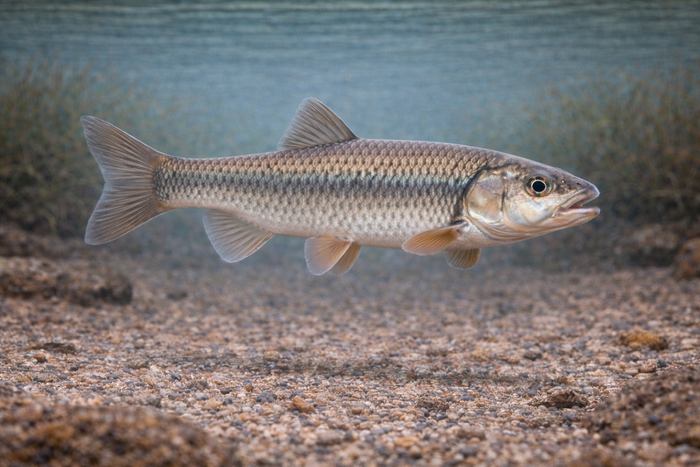
The European Chub is no ordinary river fish. Its robust, torpedo-shaped body and large, rounded head give it a distinctive profile that’s hard to confuse with anything else. Unlike many shy freshwater species, the chub exhibits a fearless curiosity, often approaching anglers and even nibbling on bait with surprising aggression. This fish is an opportunistic omnivore, capable of switching diets based on availability—from insects and crustaceans to small fish and even plant matter. Such dietary flexibility is a hallmark of its survival strategy.
Another standout feature is its adaptability. The European Chub thrives in a wide range of freshwater environments, from fast-flowing streams to slow-moving rivers and even lakes. Its resilience to varying water conditions, including temperature and oxygen levels, makes it a dominant presence in many European waterways. This adaptability also means the chub can coexist with a diverse array of species, often influencing local aquatic communities in subtle but significant ways.
Habitat & Global Range
European Chub habitat spans much of Europe, from the cold waters of Scandinavia down to the warmer rivers of the Mediterranean basin. This fish favors clean, well-oxygenated waters with moderate to slow currents. You’ll find it lurking near submerged structures like fallen trees, rocks, and undercut banks—prime spots for ambushing prey or avoiding predators.
The species is highly tolerant of different substrates, thriving over gravel, sand, or mud bottoms. It’s common in rivers with mixed habitats, where riffles meet pools, providing both feeding opportunities and shelter. European Chub populations have also been introduced beyond their native range, sometimes establishing themselves in new environments due to their hardy nature.
Behavior & Temperament
The European Chub is a bold character in the freshwater world. Unlike many fish that skulk away at the first sign of movement, chub often swim confidently near the surface or mid-water, investigating anything new. This inquisitive nature makes them a favorite among anglers who prize their spirited fight once hooked.
Socially, chub can be found in small schools, especially when young, but adults often adopt a more solitary or territorial stance. They are primarily diurnal feeders, taking advantage of daylight to hunt insects, larvae, and small fish. Their feeding strategy is opportunistic and aggressive, sometimes even snatching food from the surface with a quick, precise strike.
During spawning season, chub gather in shallow, gravelly areas where males become more territorial and display vivid breeding colors. This period is crucial for population maintenance and offers a fascinating glimpse into their reproductive behavior.
Ecological Importance
European Chub play a vital role in freshwater ecosystems. As omnivores, they help regulate populations of aquatic insects and smaller fish, maintaining a balance that supports overall biodiversity. Their feeding habits contribute to nutrient cycling, breaking down organic matter and facilitating energy flow through the food web.
Moreover, chub serve as prey for larger predatory fish, birds, and mammals, linking multiple trophic levels. Their presence often indicates a healthy, functioning river system, as they require relatively clean water and diverse habitats to thrive. In this way, European Chub act as both predators and prey, integral to the ecological fabric of their environments.
Conservation & Environmental Pressures
Despite their adaptability, European Chub face growing challenges. Habitat degradation from pollution, river channelization, and dam construction disrupts their natural environments, limiting spawning grounds and reducing water quality. Agricultural runoff and urban waste introduce toxins and excess nutrients, which can lead to harmful algal blooms and oxygen depletion.
Climate change adds another layer of pressure, altering water temperatures and flow patterns that affect chub behavior and reproduction. In some regions, invasive species compete with or prey upon chub, further stressing populations.
Conservation efforts focus on habitat restoration, pollution control, and maintaining river connectivity to support natural migration and spawning. Monitoring European Chub populations also helps gauge the health of freshwater ecosystems, making them a key species for environmental management.
The FishyAF Take
The European Chub is a fish that refuses to be overlooked. Its bold demeanor, dietary flexibility, and ecological significance make it a cornerstone of European freshwater habitats. For anglers, it offers a spirited challenge; for ecologists, a vital indicator of river health. Understanding European Chub facts and habitat nuances is essential for anyone serious about freshwater conservation or fishing in Europe.
This fish embodies resilience and adaptability—qualities that are increasingly important as freshwater environments face mounting pressures. Respect the chub, and you’re respecting the rivers themselves. It’s not just a fish; it’s a symbol of the wild, ever-changing pulse of Europe’s waterways.