Horned Sculpin (Myoxocephalus corniger): The Underwater Warrior with a Crown of Spikes
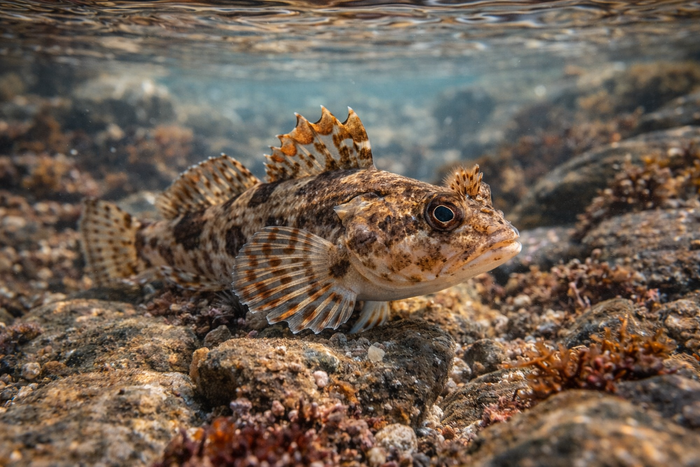
The Horned Sculpin, Myoxocephalus corniger, is not your average bottom-dweller. Sporting a rugged, spiky exterior that looks like it belongs in a fantasy novel, this fish commands attention in the cold waters it calls home. Known for its distinctive "horns"—bony projections above its eyes—this species blends brute force with subtle camouflage. If you’re diving into Horned Sculpin facts, prepare to meet a fish that’s as tough as it is fascinating.
What Makes the Horned Sculpin Unique?
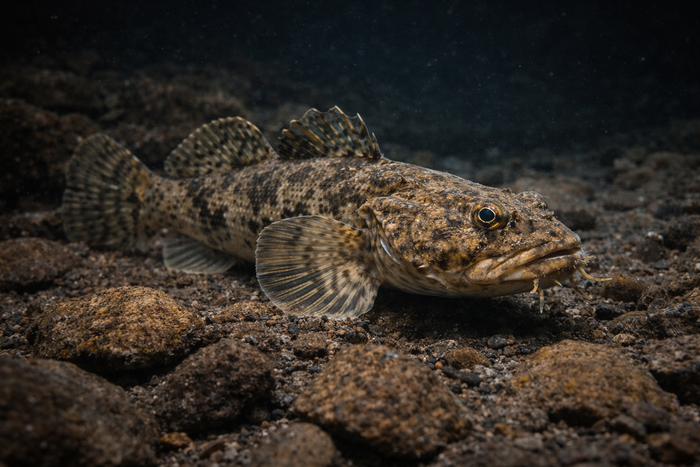
Forget sleek and shiny. The Horned Sculpin wears armor. Its head is adorned with sharp spines that give it a fierce silhouette, a feature that’s more than just for show. These “horns” serve as protection against predators and rivals, making it a formidable presence on the seafloor. Unlike many sculpins, it has a robust, flattened body that hugs the substrate, allowing it to blend seamlessly with rocks and seaweed. Its mottled coloration is a masterclass in underwater camouflage, shifting from browns to greens to match its environment.
This fish’s sensory system is finely tuned. It uses lateral line organs to detect vibrations and movements in the water, a crucial adaptation for hunting and avoiding danger in the dim, cold depths. The Horned Sculpin’s mouth is wide and lined with sharp teeth, perfect for snapping up crustaceans, small fish, and other benthic prey. It’s a predator that doesn’t just wait for food to come by—it actively stalks the seafloor.
Habitat & Global Range
Horned Sculpin habitat is primarily cold, northern waters. You’ll find this species along the North Pacific coast, from the Bering Sea down to the northern parts of Japan and Alaska. It favors rocky bottoms, kelp forests, and areas with plenty of crevices to hide in. Depth-wise, it’s comfortable from shallow coastal zones down to about 200 meters, though it’s most commonly spotted between 20 and 100 meters.
The cold, nutrient-rich waters it inhabits support a diverse ecosystem, and the Horned Sculpin fits right in as a mid-level predator. Its preference for complex habitats like rocky reefs and kelp beds means it plays a role in these environments’ intricate food webs. The species’ distribution is patchy but stable, closely tied to the availability of suitable shelter and prey.
Behavior & Temperament
The Horned Sculpin is a solitary, territorial fish. It’s not one to school or roam widely. Instead, it stakes out a home turf and defends it aggressively. When threatened, it uses its spines as a deterrent, making it a less appealing target for predators. Its behavior is mostly nocturnal, taking advantage of low light to hunt unsuspecting prey.
Despite its fierce appearance, the Horned Sculpin is not a fast swimmer. It relies on stealth and ambush tactics rather than speed. It will lie in wait, motionless and blending into the substrate, then strike with precision. This patient hunting style is efficient in the cold waters where energy conservation is key.
During breeding season, males become more territorial and may engage in displays or minor skirmishes to secure nesting sites. Females lay eggs in protected crevices, and males guard the clutch until hatching. This parental investment increases offspring survival in a challenging environment.
Ecological Importance
The Horned Sculpin is a vital cog in its ecosystem. As a predator, it helps regulate populations of smaller fish and invertebrates, maintaining balance on the seafloor. Its presence influences the distribution and behavior of prey species, which in turn affects the broader community structure.
It also serves as prey for larger fish, marine mammals, and seabirds, linking lower and higher trophic levels. The Horned Sculpin’s role as both predator and prey makes it a key species for energy transfer in cold-water marine ecosystems.
Furthermore, by occupying rocky and kelp habitats, it contributes indirectly to the health of these environments. Its hunting and territorial behaviors can influence the spatial distribution of other benthic organisms, promoting biodiversity.
Conservation & Environmental Pressures
Currently, the Horned Sculpin is not listed as endangered or threatened, but it faces environmental pressures that could impact its populations. Climate change poses a significant risk by altering water temperatures and affecting the availability of prey species. Warmer waters could push this cold-adapted fish out of its preferred range or disrupt breeding cycles.
Habitat degradation is another concern. Coastal development, pollution, and destructive fishing practices can damage the rocky reefs and kelp forests that the Horned Sculpin depends on. Since it is a site-attached species with limited mobility, habitat loss can have outsized effects on local populations.
Monitoring Horned Sculpin habitat health is crucial. Protecting kelp forests and rocky substrates benefits not just this species but entire marine communities. Sustainable fishing practices and pollution control are essential to maintaining the delicate balance of these ecosystems.
The FishyAF Take
The Horned Sculpin is a no-nonsense survivor built for the tough life on the cold, rocky seafloor. Its spiny crown and stealthy hunting tactics make it a standout among sculpins and a fascinating subject for anyone interested in marine biology or cold-water ecosystems. This fish isn’t flashy, but it’s a master of adaptation, perfectly suited to its niche.
Understanding Horned Sculpin facts and habitat is more than trivia—it’s a window into the complex interplay of marine life in northern waters. Protecting this species means preserving the intricate habitats it calls home, which ultimately supports a broader web of oceanic life. If you want to appreciate the raw, rugged beauty of the sea’s lesser-known warriors, the Horned Sculpin is a prime example. It’s tough, territorial, and downright fascinating—exactly the kind of fish FishyAF respects.