Boops Boops (Boops boops): The Sardine’s Flashy Cousin That Commands Attention
Boops boops, often just called Boops Boops, is a small but striking fish that refuses to be overlooked. With its shimmering silver body and distinctive yellow eyes, this species stands out in the crowded Mediterranean and eastern Atlantic waters. It’s not just another forage fish; Boops Boops has carved its niche with a blend of unique traits and behaviors that make it a fascinating subject for anglers, marine biologists, and fish enthusiasts alike. If you’re diving into Boops Boops facts, prepare to meet a fish that’s as bold as its name sounds.
What Makes the Boops Boops Unique?
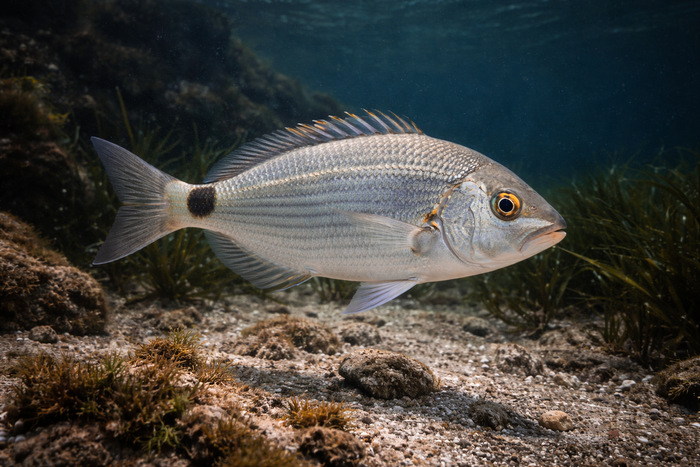
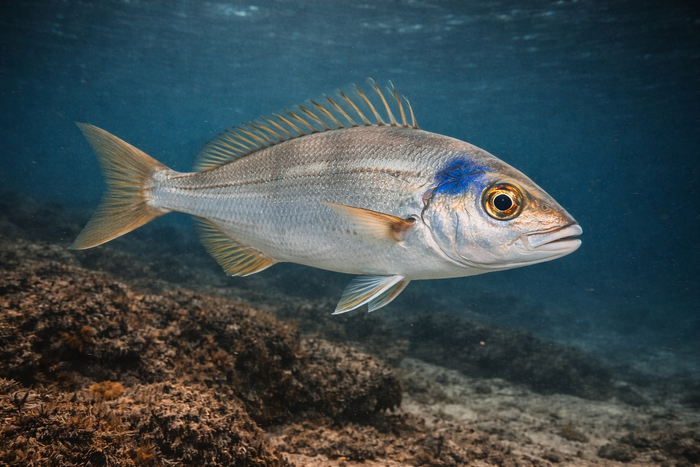
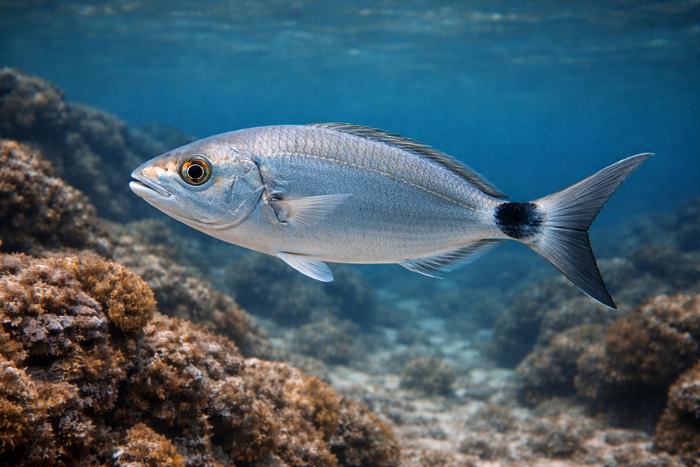
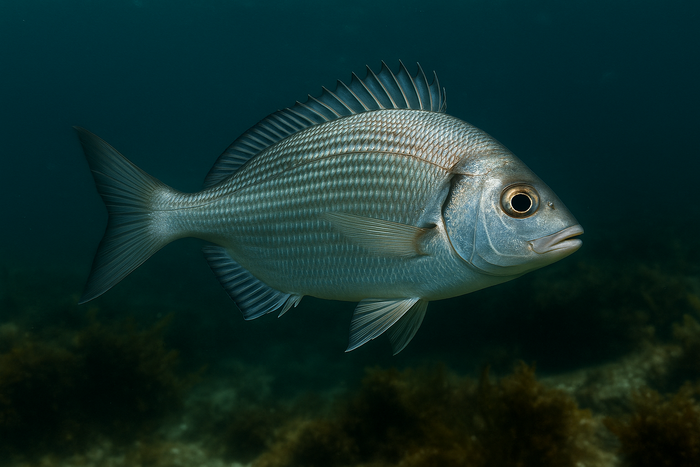
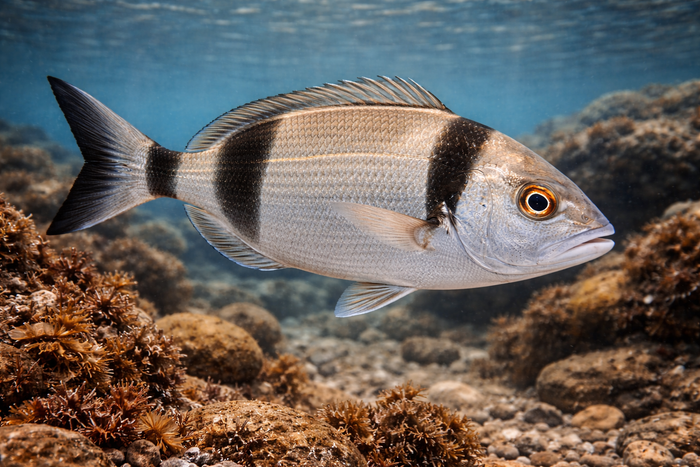
Boops Boops is not your average schooling fish. Its most notable feature is the large, bright yellow eyes that give it an almost cartoonish look. These eyes aren’t just for show—they provide excellent vision in the dim, coastal waters it inhabits. The body is sleek and silver, with a subtle blue-green sheen that shimmers under sunlight, making it a flash of light in the water.
Unlike many small fish, Boops Boops has a relatively elongated body and a slightly forked tail, allowing for agile swimming. Its mouth is small but perfectly designed for picking plankton and tiny invertebrates from the water column. This fish is a master of efficiency, thriving on a diet that most larger fish would overlook.
Boops Boops also displays a curious social structure. It forms large schools but can be found in smaller groups or even solo during certain times, especially when feeding or spawning. This flexibility in social behavior is a key survival trait, allowing it to adapt to changing environmental conditions and predation pressures.
Habitat & Global Range
Boops Boops habitat spans the temperate waters of the eastern Atlantic Ocean and the Mediterranean Sea. It’s a coastal species, often found in depths ranging from shallow bays to about 100 meters deep. This fish favors areas with sandy or muddy bottoms, frequently near seagrass beds and rocky reefs where food is abundant.
Its range extends from the coasts of Norway down to Senegal, including the Azores and Madeira islands. The Mediterranean population is particularly dense, making it a common catch for local fisheries. Boops Boops habitat preferences highlight its adaptability to both open water and more sheltered coastal environments, a trait that supports its widespread distribution.
Seasonally, Boops Boops may move closer to shore for spawning, taking advantage of warmer, nutrient-rich waters. This migration is crucial for its life cycle and impacts local fishing patterns.
Behavior & Temperament
Boops Boops is a schooling fish with a calm yet alert temperament. It’s not aggressive but is highly responsive to threats, often darting away in synchronized bursts when predators approach. This schooling behavior is a classic survival strategy, confusing predators and reducing individual risk.
Feeding primarily on plankton and small crustaceans, Boops Boops feeds mostly during daylight hours. It uses its keen eyesight to spot food particles suspended in the water column, often swimming in mid-water rather than hugging the seabed. This feeding strategy positions it as a vital link between microscopic plankton and larger predatory fish.
Despite its small size, Boops Boops can be surprisingly resilient. It tolerates a range of salinities and temperatures, which explains its success across diverse marine environments. Its temperament makes it an easy target for larger fish but also a reliable food source that supports a balanced ecosystem.
Ecological Importance
Boops Boops plays a critical role in marine food webs. As a planktivore, it converts microscopic organisms into a form digestible by larger predators, including tunas, groupers, and seabirds. This makes it a key intermediary species, essential for energy transfer within coastal ecosystems.
Its schooling behavior also influences nutrient cycling. Large schools can stir up sediments and redistribute nutrients, supporting benthic communities and seagrass beds. In this way, Boops Boops contributes indirectly to habitat health and biodiversity.
Moreover, Boops Boops serves as an indicator species for environmental changes. Shifts in its population size or distribution often signal alterations in water quality, temperature, or plankton availability. Monitoring Boops Boops can provide early warnings about ecosystem health, making it valuable for conservation efforts.
Conservation & Environmental Pressures
While Boops Boops is not currently classified as endangered, it faces several environmental pressures. Overfishing in some Mediterranean regions threatens local populations, especially where it is targeted for human consumption or used as bait in larger fisheries.
Habitat degradation is another concern. Coastal development, pollution, and seagrass bed destruction reduce the quality of Boops Boops habitat, impacting feeding and spawning grounds. Climate change adds another layer of complexity, with warming waters potentially shifting its range northward and altering plankton communities it depends on.
Sustainable management of Boops Boops fisheries and protection of coastal habitats are essential to maintaining healthy populations. Its role in the ecosystem means that declines could cascade through the food web, affecting commercially important species and overall marine biodiversity.
The FishyAF Take
Boops Boops is a small fish with a big impact. It’s a shining example of how even the most unassuming species can hold a pivotal role in marine ecosystems. Its distinctive appearance and adaptable nature make it a species worth knowing beyond the usual suspects of the sea.
For anglers and marine enthusiasts, Boops Boops offers a lesson in ecological balance and resilience. It’s a reminder that the flashy, the bold, and the overlooked all have their place beneath the waves. Understanding Boops Boops facts and habitat nuances isn’t just academic—it’s a step toward appreciating and protecting the complex web of life in our oceans.
Keep an eye out for this silver flash next time you’re near Mediterranean or Atlantic shores. Boops Boops isn’t just another fish; it’s a vital thread in the fabric of marine life, demanding respect and attention.