Annular Seabream (Diplodus annularis): Small Fish, Big Personality, and a Taste of the Mediterranean
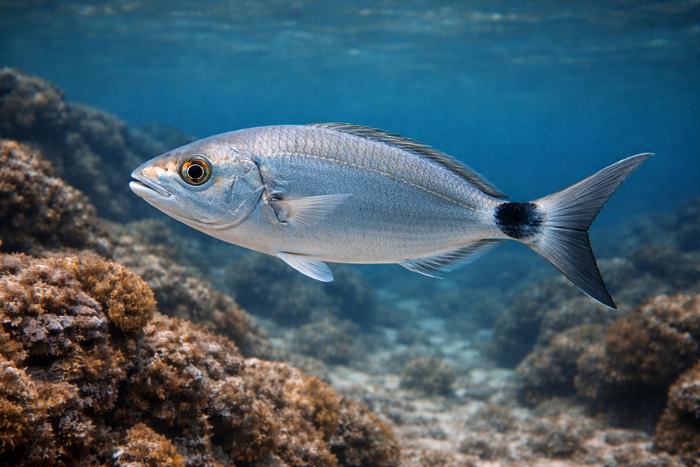
The Annular Seabream is a standout member of the Sparidae family, known for its striking appearance and adaptability. This fish packs more character into its modest size than most species do in their entire lifespan. Found primarily in the Mediterranean and parts of the eastern Atlantic, the Annular Seabream commands attention with its bold black ring near the tail and silvery body. Whether you’re a seasoned angler, a marine enthusiast, or just curious about fish that punch above their weight, the Annular Seabream deserves a closer look.
What Makes the Annular Seabream Unique?
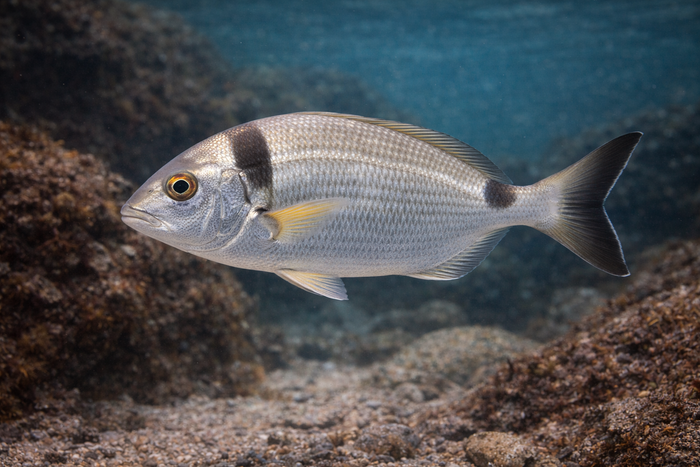
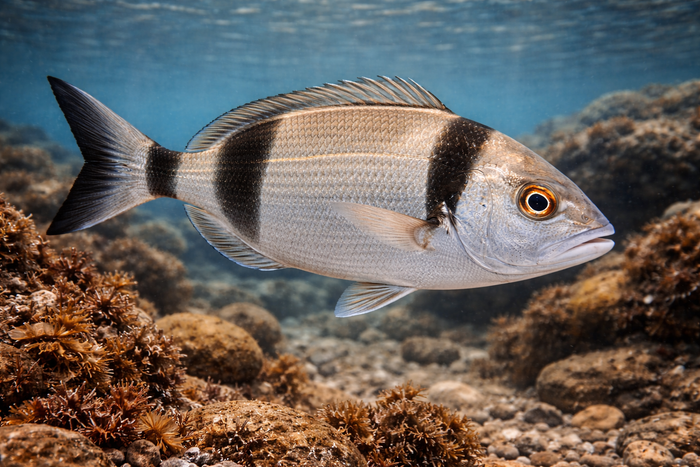
The Annular Seabream’s signature feature is the distinct black ring encircling its caudal peduncle, a visual cue that makes it instantly recognizable. This isn’t just for show; the marking likely plays a role in confusing predators or signaling to other fish. Unlike many seabream species that grow large and heavy, the Annular Seabream stays relatively small, which contributes to its agility and quick darting movements.
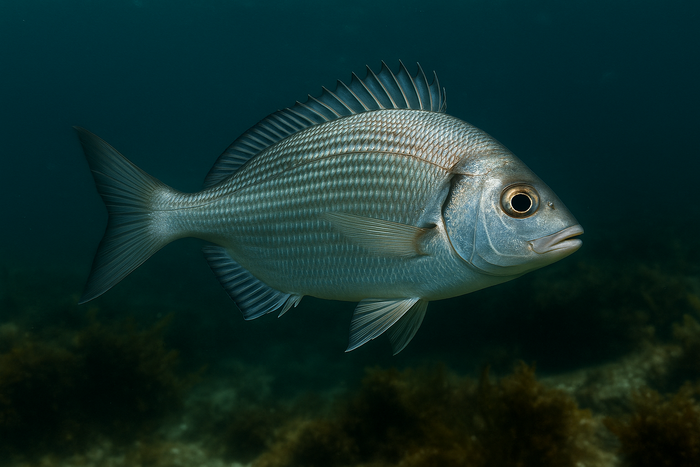
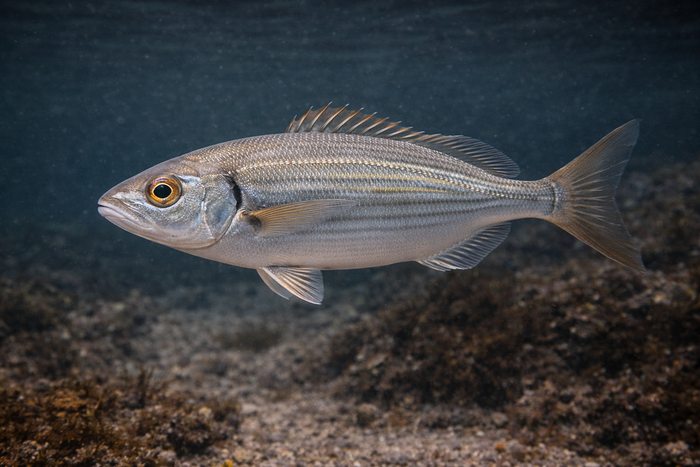
Its body shape is laterally compressed with a silvery sheen, complemented by faint vertical stripes that fade with age. The fish’s teeth are adapted for a varied diet, allowing it to crush shells and feed on crustaceans, mollusks, and small invertebrates. This versatility in feeding habits is a key factor in its survival and proliferation.
Habitat & Global Range
The Annular Seabream thrives in shallow coastal waters, favoring rocky bottoms, seagrass beds, and sandy substrates. Its preferred Annular Seabream habitat includes depths from just a few meters down to around 50 meters, making it accessible to both recreational anglers and researchers.
Geographically, this species is anchored in the Mediterranean Sea but also extends into the eastern Atlantic Ocean, from the coasts of Portugal down to Senegal. It’s a resilient fish that adapts well to varying salinity and temperature conditions, which explains its wide distribution. Juveniles often inhabit estuaries and lagoons, where they find shelter and abundant food, while adults migrate to deeper waters or more structured habitats.
Behavior & Temperament
Annular Seabreams are known for their curious and somewhat bold behavior. They often approach divers and snorkelers, showing little fear, which is unusual for small fish in predator-rich environments. This confidence is a double-edged sword—it makes them easier targets for predators but also an intriguing subject for underwater observation.
Socially, they tend to form small schools, especially during feeding or spawning seasons. Their movements are quick and precise, darting between rocks and vegetation to avoid threats. When threatened, they rely on speed and agility rather than camouflage or hiding in crevices.
Ecological Importance
Despite their modest size, Annular Seabreams play a significant role in coastal ecosystems. As opportunistic feeders, they help control populations of benthic invertebrates, maintaining a balance in the food web. Their feeding activity also contributes to the health of seagrass beds by preventing overgrowth of certain invertebrates that could otherwise damage these critical habitats.
They serve as prey for larger predatory fish, seabirds, and marine mammals, making them an integral link in the transfer of energy through the ecosystem. Their presence often indicates a healthy, well-structured marine environment, which is why monitoring their populations can provide valuable insights into ecosystem health.
Conservation & Environmental Pressures
While the Annular Seabream is not currently listed as endangered, it faces several environmental pressures that could impact its populations. Coastal development, pollution, and habitat degradation threaten the shallow waters and seagrass beds they depend on. Overfishing, particularly in the Mediterranean, also poses a risk, as they are sometimes caught as bycatch or targeted in artisanal fisheries.
Climate change adds another layer of complexity, altering water temperatures and salinity levels, which can affect breeding cycles and food availability. Conservation efforts focusing on habitat protection, sustainable fishing practices, and pollution control are essential to ensure the Annular Seabream remains a thriving part of its ecosystem.
The FishyAF Take
The Annular Seabream is a perfect example of how even small fish can have outsized ecological and cultural importance. Its distinctive look and bold behavior make it a favorite among divers and anglers alike. Understanding Annular Seabream facts and its habitat preferences is crucial for anyone interested in Mediterranean marine life or sustainable fishing.
This species reminds us that resilience and adaptability are key to survival in the ever-changing marine world. Protecting the Annular Seabream means safeguarding the complex coastal ecosystems it inhabits. So next time you’re near a rocky shore or a seagrass meadow, keep an eye out for this silvery, ring-marked fish—it’s more than just a pretty face in the water.