South American Silver Porgy (Diplodus argenteus): The Shimmering Sentinel of Coastal Waters
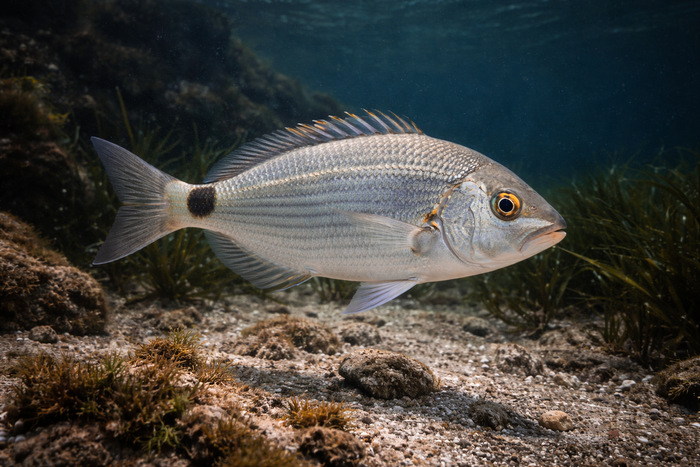
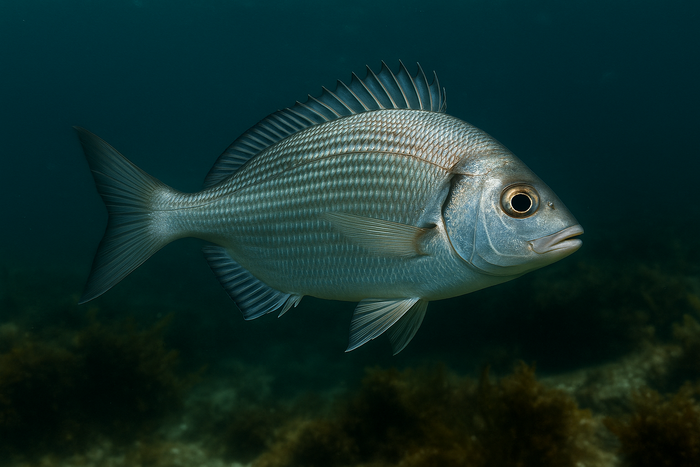
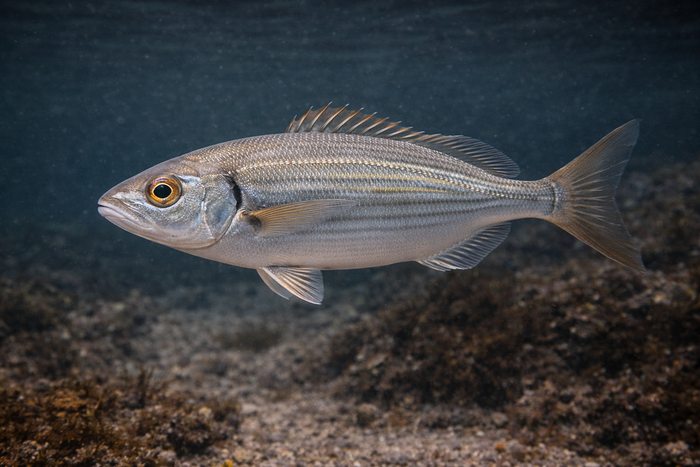
The South American Silver Porgy is a standout member of the Sparidae family, flaunting a sleek silver body that catches light like a living mirror. This fish isn’t just a pretty face; it plays a vital role in its ecosystem and offers anglers a challenging catch. Known scientifically as Diplodus argenteus, the South American Silver Porgy commands attention with its bold presence along the rocky coasts and sandy bottoms of South America’s temperate waters.
What Makes the South American Silver Porgy Unique?
Diplodus argenteus distinguishes itself with a combination of physical and behavioral traits that set it apart from other porgies. Its shimmering silver scales are not just for show; they provide camouflage against predators in the sun-dappled shallows. Unlike many porgies that prefer warmer tropical waters, the South American Silver Porgy thrives in cooler, temperate zones, adapting to a range of coastal environments.
Its robust body and strong jaws are built for crushing hard-shelled prey, making it an effective predator of mollusks, crustaceans, and sea urchins. This diet helps control populations of these invertebrates, maintaining a balanced ecosystem. The South American Silver Porgy’s ability to switch between feeding on benthic invertebrates and plant matter shows a dietary flexibility that’s key to its survival in fluctuating coastal conditions.
Habitat & Global Range
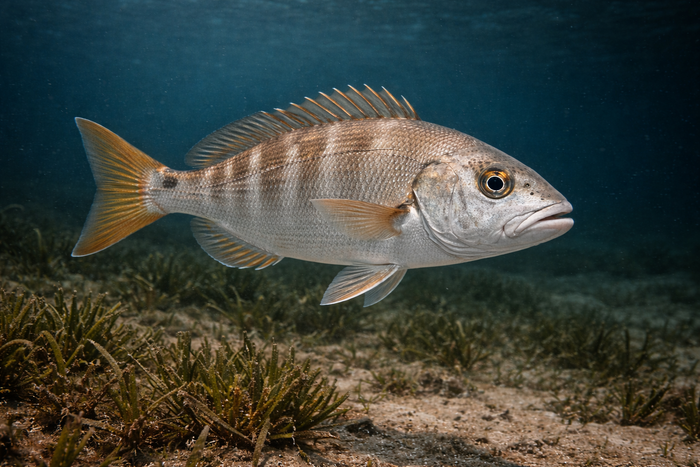
The South American Silver Porgy is native to the southwestern Atlantic, primarily along the coasts of Brazil, Uruguay, and Argentina. Its preferred South American Silver Porgy habitat includes rocky reefs, sandy bottoms, and seagrass beds from shallow waters down to moderate depths. This fish is a coastal specialist, rarely venturing far offshore, which makes it a familiar sight to local fishermen and marine enthusiasts.
Its presence in diverse habitats—from turbulent surf zones to calmer bays—demonstrates a remarkable adaptability. The fish’s affinity for structured environments like reefs and rocky outcrops provides shelter from predators and abundant feeding opportunities. Seasonal movements are observed, often linked to spawning cycles and water temperature changes, but overall, the South American Silver Porgy maintains a relatively localized range.
Behavior & Temperament
South American Silver Porgies exhibit a mix of boldness and caution. They are curious but not reckless, often investigating divers and anglers without immediate flight. This behavior makes them accessible for observation but still challenging to catch. Their schooling tendencies vary with age and season; juveniles often form tight groups for protection, while adults may be more solitary or found in small aggregations.
Territoriality is moderate; individuals defend feeding grounds but are not aggressively confrontational unless provoked. Their feeding behavior is methodical, using their strong teeth to scrape and crush prey from rocks and sediment. During spawning, males become more territorial and display vibrant coloration to attract females, adding a splash of drama to their otherwise silver sheen.
Ecological Importance
The South American Silver Porgy plays a crucial role in coastal ecosystems. By preying on sea urchins and other invertebrates, it helps prevent overgrazing of algae and seagrass beds, which are essential habitats for countless marine species. This predation maintains the health and biodiversity of reef and seagrass communities, supporting the broader food web.
Additionally, the South American Silver Porgy serves as prey for larger predators, including sharks and marine mammals, linking lower and higher trophic levels. Its presence indicates a balanced ecosystem, and fluctuations in its population can signal changes in environmental health. Understanding South American Silver Porgy facts is essential for managing coastal fisheries and preserving marine biodiversity.
Conservation & Environmental Pressures
While not currently classified as endangered, the South American Silver Porgy faces pressures from overfishing, habitat degradation, and pollution. Coastal development and destructive fishing practices threaten the reefs and seagrass beds that form its habitat. Pollution, particularly from agricultural runoff and urban waste, can degrade water quality, affecting the fish’s health and reproductive success.
Climate change adds another layer of complexity, altering water temperatures and currents, which may shift the South American Silver Porgy habitat and disrupt spawning patterns. Sustainable fishing regulations and habitat protection are critical to ensuring this species continues to thrive. Monitoring populations and enforcing marine protected areas can mitigate some of these threats.
The FishyAF Take
The South American Silver Porgy is a shining example of resilience and ecological balance in temperate coastal waters. Its shimmering body and adaptable nature make it a species worth knowing for anglers, conservationists, and marine biologists alike. This fish isn’t just another catch; it’s a key player in maintaining the health of South America’s coastal ecosystems.
If you’re diving or fishing in its range, keep an eye out for this silver sentinel. Respect its habitat, understand its role, and appreciate the complexity behind those reflective scales. The South American Silver Porgy is more than a fish; it’s a living indicator of the ocean’s pulse and a reminder that even the most unassuming species can hold the ecosystem together.