Grass Porgy (Calamus arctifrons): The Reef’s Bold Sculptor with a Taste for the Unexpected
The Grass Porgy, Calamus arctifrons, is not your average reef dweller. Sporting a robust body and a distinctive snout, this fish commands attention beneath the waves. Known for its striking coloration and sharp teeth, the Grass Porgy is a key player in the marine ecosystems of the western Atlantic. If you’re diving into the world of reef fish, understanding the Grass Porgy’s role and characteristics is essential. This species blends boldness with ecological finesse, making it a fascinating subject for anglers, marine biologists, and reef enthusiasts alike.
What Makes the Grass Porgy Unique?
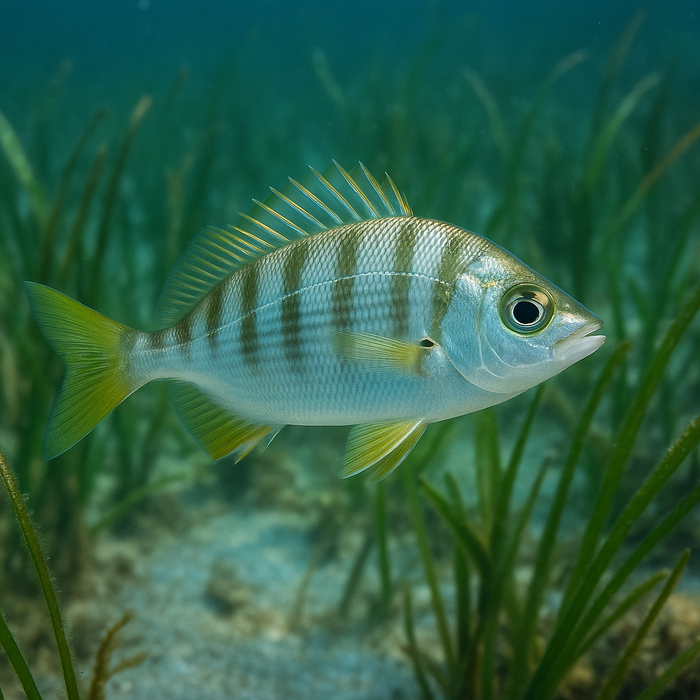
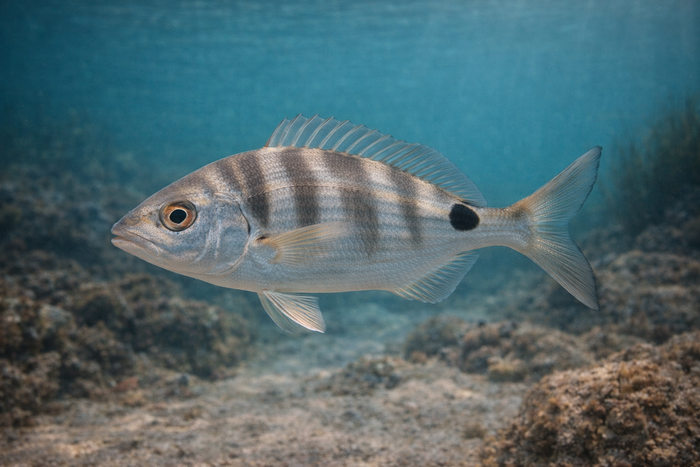
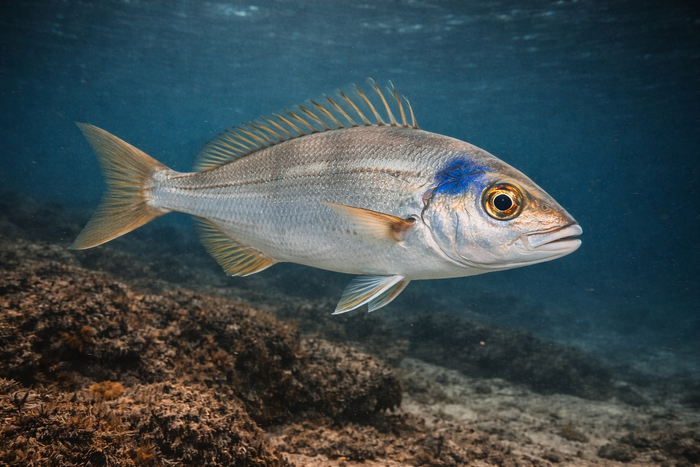
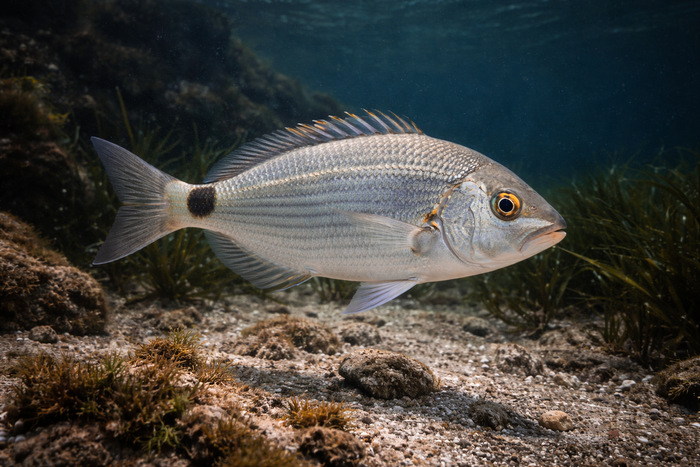
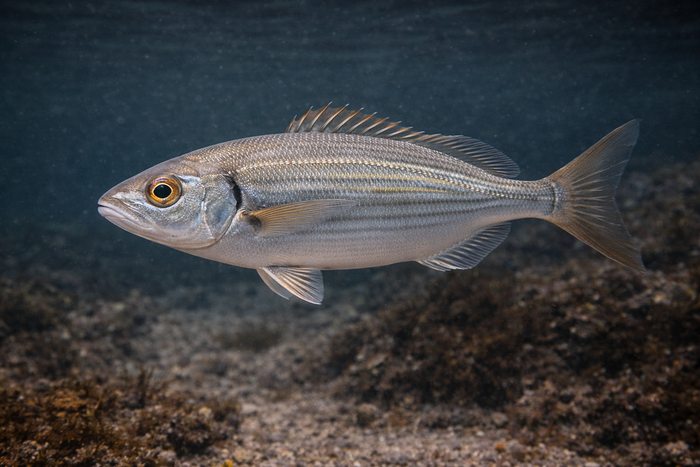
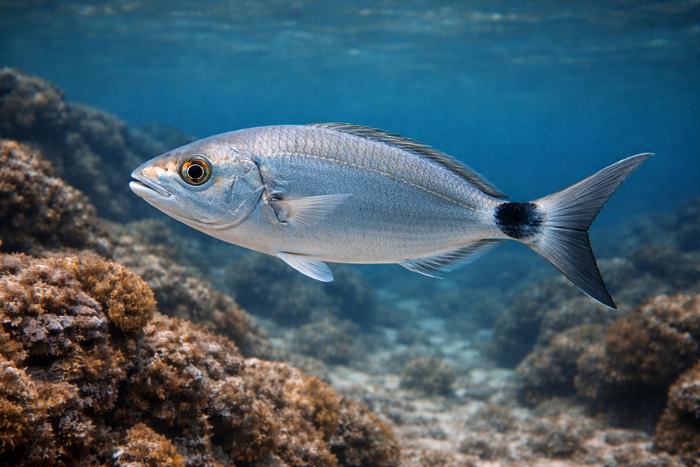
The Grass Porgy stands out with its deep, laterally compressed body and a head that looks almost sculpted, featuring a slightly protruding snout. Its coloration is a mix of silvery-gray with subtle blue and green hues, often accented by faint vertical bars. But the real signature is in its teeth—strong, incisor-like, perfect for crushing hard-shelled prey.
Unlike many reef fish that stick to one diet, the Grass Porgy is an opportunistic feeder. It specializes in benthic invertebrates such as crustaceans, mollusks, and sea urchins, using its powerful jaws to break shells and extract the goodies inside. This feeding strategy not only sets it apart but also influences the structure of the reef community by controlling populations of these invertebrates.
Habitat & Global Range
Grass Porgy habitat centers around shallow coastal waters, particularly over sandy bottoms adjacent to coral reefs and seagrass beds. This species thrives in the western Atlantic Ocean, from the southeastern United States down through the Caribbean and into parts of the Gulf of Mexico. Its preference for mixed habitats—where seagrass meadows meet reef structures—provides both shelter and abundant food sources.
The Grass Porgy is often found at depths ranging from 10 to 60 meters, favoring areas where it can forage along the substrate. These environments offer the perfect blend of cover and hunting grounds, allowing the fish to navigate complex reef landscapes while maintaining access to its preferred prey.
Behavior & Temperament
Grass Porgies are generally solitary or found in small groups, especially during feeding. They exhibit a bold temperament, unafraid to explore open sandy patches or venture close to divers. Their foraging behavior is methodical; they root around the substrate, flipping over debris and rocks to uncover hidden invertebrates.
Territoriality is moderate. While not aggressively defending large territories, Grass Porgies will assert dominance over prime feeding spots. Their interactions with other reef fish are mostly neutral, though they can compete with other benthic feeders for resources.
Spawning involves seasonal aggregations where males display vibrant colors to attract females. This reproductive behavior underscores their adaptability and importance in maintaining healthy population dynamics within their range.
Ecological Importance
Grass Porgy plays a vital role in reef ecosystems by regulating populations of hard-shelled invertebrates. Their feeding habits help prevent overgrazing by sea urchins and other benthic creatures that, if left unchecked, can devastate coral reefs. This makes the Grass Porgy a natural reef gardener, maintaining balance and promoting biodiversity.
Additionally, as prey for larger predatory fish and marine mammals, Grass Porgies contribute to the food web’s complexity. Their presence signals a healthy reef environment, where multiple trophic levels interact seamlessly.
Conservation & Environmental Pressures
Despite their ecological significance, Grass Porgies face threats from habitat degradation and overfishing. Coastal development, pollution, and destructive fishing practices erode the seagrass beds and reef structures they depend on. These environmental pressures reduce available habitat and food sources, putting stress on populations.
While not currently listed as endangered, local declines have been reported in areas with intense fishing pressure. Grass Porgies are sometimes caught as bycatch or targeted for their firm, white flesh. Sustainable fishing practices and marine protected areas are crucial to preserving their populations and the ecosystems they support.
The FishyAF Take
The Grass Porgy is a prime example of a reef fish that punches above its weight. Its unique morphology and feeding strategy make it an indispensable part of the marine environment. For anyone serious about understanding reef dynamics, the Grass Porgy offers a window into the delicate balance of predator-prey relationships and habitat interdependence.
If you’re after Grass Porgy facts or curious about their habitat, remember this: they’re not just another pretty face on the reef. They’re ecosystem engineers in their own right, shaping the underwater landscape one crushed shell at a time. Protecting them means protecting the reefs themselves. So next time you spot a Grass Porgy cruising the sandy edges of a reef, appreciate the subtle power it wields beneath the surface.