Pin Fish (Lagodon rhomboides): Small Fish, Big Personality, and a Key Player in Coastal Waters
The Pin Fish might not be the flashiest or the largest fish in the sea, but it punches well above its weight in coastal ecosystems. Known scientifically as Lagodon rhomboides, this species is a staple in shallow waters along the Atlantic and Gulf coasts of the United States. If you’re diving into Pin Fish facts, you’ll quickly realize these little guys are more than bait fodder—they’re a vital link in the marine food web and a fascinating subject for anyone interested in coastal biology.
What Makes the Pin Fish Unique?
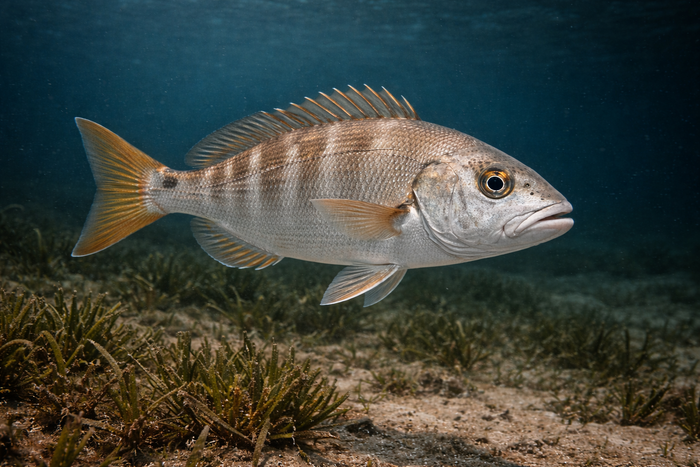
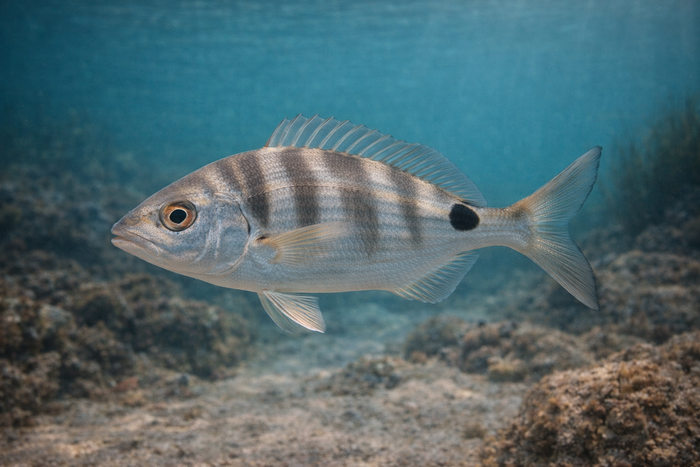
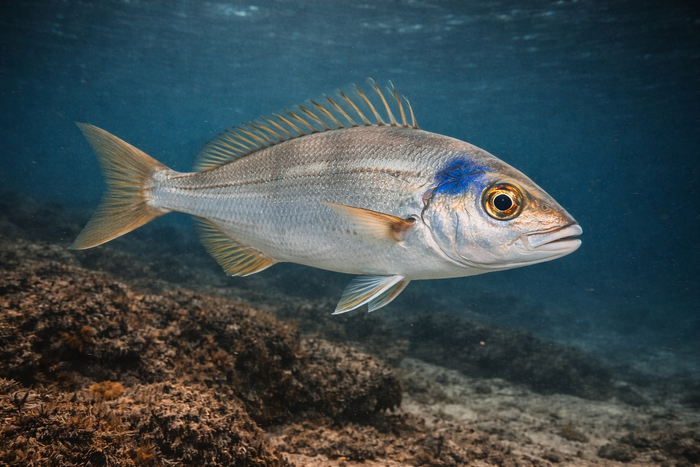
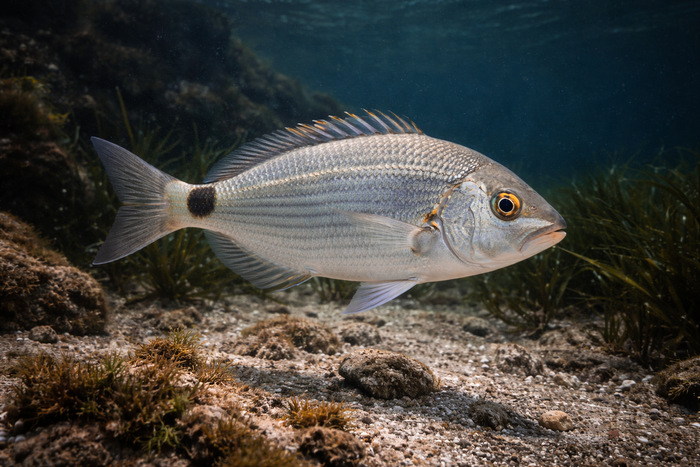
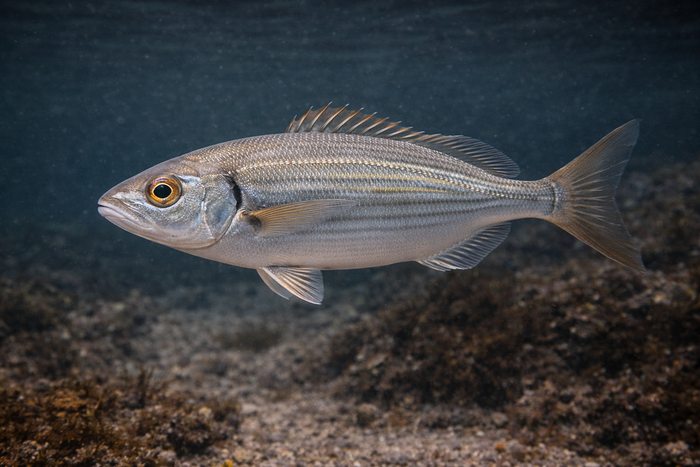
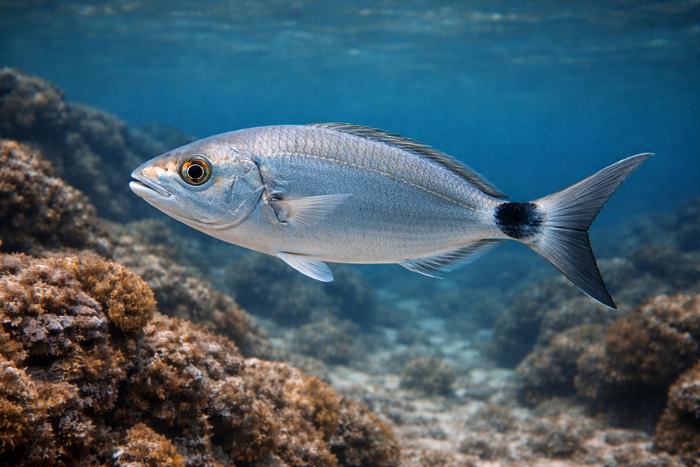
Pin Fish are instantly recognizable by their slender, oval-shaped bodies adorned with 7 to 8 vertical dark bars or “pins” running down their sides. This pattern isn’t just for show; it provides effective camouflage among seagrass beds and sandy bottoms. Unlike many small fish, Pin Fish have a robust set of teeth designed for a varied diet, including algae, small invertebrates, and detritus. This omnivorous appetite allows them to adapt to fluctuating food availability, a trait that sets them apart from more specialized feeders.
Another standout feature is their spiny dorsal fin, which gives the species its common name. These spines are a simple but effective defense mechanism against predators. When threatened, the Pin Fish can raise these spines to make swallowing more difficult, deterring many would-be attackers.
Habitat & Global Range
Pin Fish habitat is primarily coastal and estuarine environments, favoring shallow waters with abundant vegetation. They thrive in seagrass beds, oyster reefs, and sandy or muddy bottoms where food is plentiful and cover is abundant. Their range extends from Massachusetts down through the Gulf of Mexico and as far south as the Yucatan Peninsula. This distribution makes them a common sight in warm, temperate to subtropical waters.
What’s interesting about Pin Fish habitat is their tolerance for varying salinity levels. They can be found in both full marine conditions and brackish waters, often venturing into estuaries and tidal creeks. This adaptability not only broadens their range but also positions them as a crucial species for monitoring coastal ecosystem health.
Behavior & Temperament
Pin Fish are schooling fish, often found in groups that can number in the hundreds. This schooling behavior provides safety in numbers, confusing predators and reducing individual risk. Despite their small size, Pin Fish are surprisingly bold. They don’t shy away from foraging in open water and can be quite aggressive when defending territory or competing for food.
Their feeding behavior is another point of interest. Pin Fish graze on algae and small crustaceans, using their sharp teeth to nip at seagrass blades and scrape surfaces. This grazing helps control algal growth and maintains the health of seagrass beds, which are critical habitats for many marine species.
Ecological Importance
Pin Fish are a cornerstone species in coastal ecosystems. They serve as a vital food source for a wide range of predators, including larger fish like snappers and groupers, as well as birds and marine mammals. Their role as both predator and prey creates a dynamic balance in the food web.
Beyond their position in the food chain, Pin Fish contribute to the health of their habitats. Their grazing activity prevents algal overgrowth, promoting seagrass vitality. Healthy seagrass beds, in turn, support biodiversity, stabilize sediments, and improve water quality. In this way, Pin Fish indirectly support the broader ecosystem services that coastal environments provide.
Conservation & Environmental Pressures
While Pin Fish populations are currently stable, they are not immune to environmental pressures. Habitat degradation, particularly the loss of seagrass beds due to coastal development, pollution, and climate change, poses a significant threat. Seagrass decline directly impacts Pin Fish by reducing available shelter and food sources.
Additionally, water quality issues such as nutrient runoff and sedimentation can disrupt Pin Fish habitat, leading to population stress. Overfishing is less of a concern for Pin Fish themselves, but their role as bait fish means they are often caught in large numbers, which could have localized impacts if not managed properly.
Conservation efforts focused on protecting and restoring seagrass habitats, improving water quality, and monitoring coastal development are essential to maintaining healthy Pin Fish populations. Their presence and abundance can also serve as indicators of ecosystem health, making them valuable for environmental monitoring programs.
The FishyAF Take
Pin Fish might not headline your next big fishing trip, but dismissing them would be a mistake. They are a resilient, adaptable species with a crucial ecological role that keeps coastal ecosystems ticking. Understanding Pin Fish facts and their habitat requirements sheds light on the delicate balance of estuarine and nearshore environments. If you want to grasp the bigger picture of coastal marine life, start with the Pin Fish. Small, spiny, and surprisingly bold, they’re a reminder that sometimes the most unassuming fish are the ones holding everything together. Keep an eye out for them next time you’re near a seagrass bed—they’re working hard, even if they’re flying under the radar.