Saddled Sea Bream (Oblada melanura): The Striking Silver Swimmer That Owns the Shoreline
The Saddled Sea Bream, Oblada melanura, is a standout in coastal waters, instantly recognizable by its sleek silver body and that distinctive black saddle mark near the tail. This fish isn’t just another pretty face in the sea; it’s a resilient, adaptable species that plays a significant role in its ecosystem. Whether you’re a casual beach angler, a marine enthusiast, or someone who just appreciates the finer points of fish biology, the Saddled Sea Bream demands attention. Let’s dive into the essential Saddled Sea Bream facts and explore what makes this species a true coastal icon.
What Makes the Saddled Sea Bream Unique?
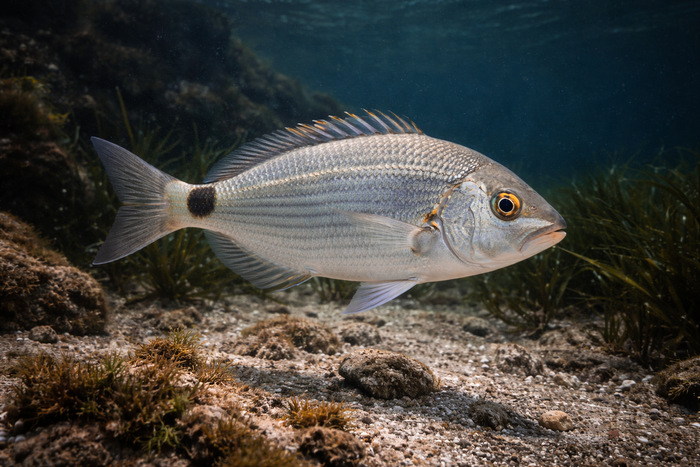
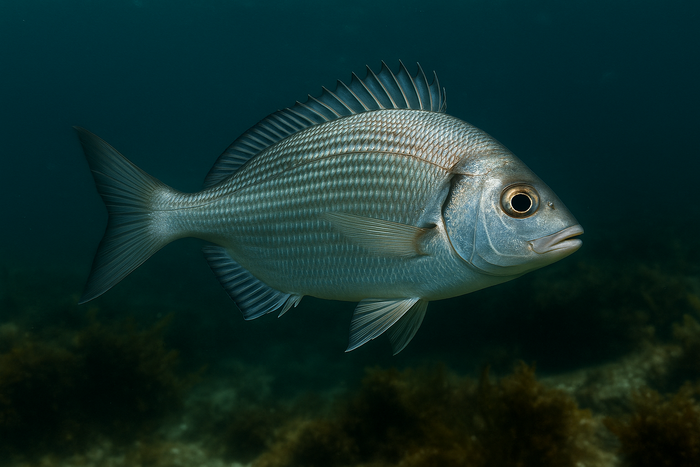
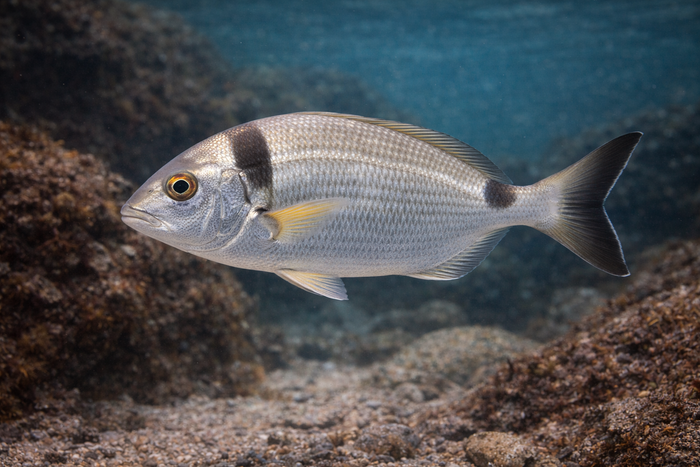
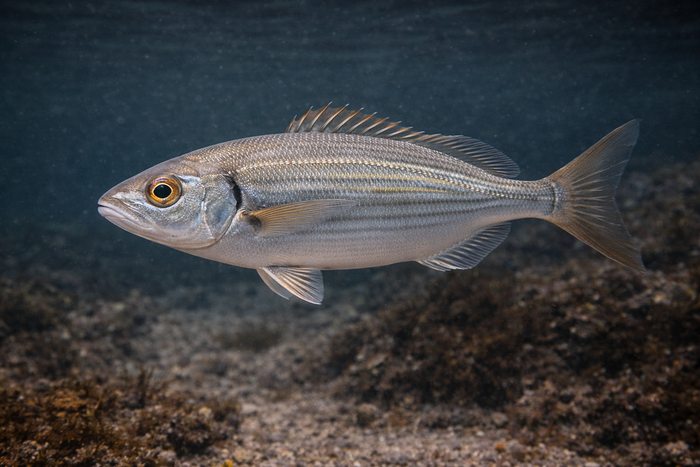
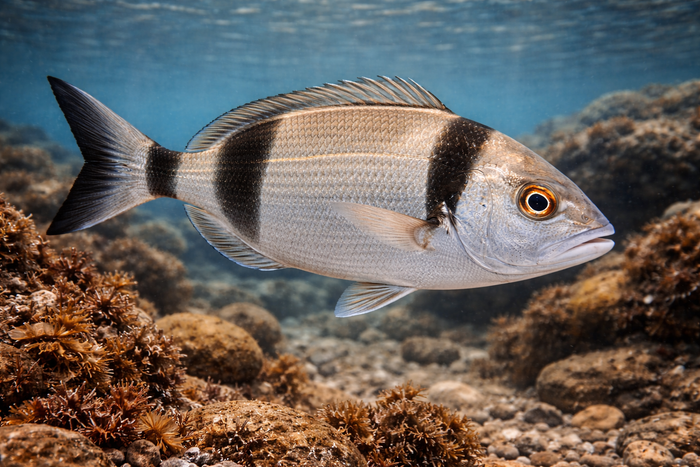
The Saddled Sea Bream’s signature feature is the bold black saddle-shaped patch on its upper tail base, a marking that sets it apart from other sea breams. Its body is compressed and oval-shaped, covered in shiny silver scales that reflect light like a mirror, making it a flash of brilliance in the water. Unlike many of its relatives, the Saddled Sea Bream has a single continuous dorsal fin with spines that give it a slightly jagged silhouette.
Beyond looks, this fish is known for its omnivorous diet and opportunistic feeding habits. It can switch between grazing on algae and hunting small invertebrates, showcasing a flexible approach to survival. This adaptability is a key trait that helps it thrive in diverse coastal environments. The Saddled Sea Bream also exhibits interesting social behavior, often forming schools that can range from a handful to several dozen individuals, enhancing both protection and feeding efficiency.
Habitat & Global Range
Saddled Sea Bream habitat is primarily coastal and shallow waters of the eastern Atlantic Ocean and the Mediterranean Sea. You’ll find them cruising rocky reefs, seagrass beds, and sandy bottoms, typically from the shoreline down to about 50 meters deep. They prefer temperate to warm waters, where sunlight penetrates easily, supporting the algae and small creatures they feed on.
Their range extends from the coasts of Portugal and Morocco in the Atlantic, through the entire Mediterranean basin, including the Adriatic and Aegean Seas. This broad distribution speaks to their adaptability and tolerance for different environmental conditions. The Saddled Sea Bream is a common sight near piers, harbors, and even in brackish lagoons, showing a remarkable ability to exploit various coastal niches.
Behavior & Temperament
Saddled Sea Bream are not your solitary loners. They are social fish that form schools, especially during feeding and spawning seasons. This schooling behavior reduces individual risk from predators and increases foraging success. Their temperament is generally peaceful, but they can be assertive when competing for food or territory within their group.
Feeding is a constant activity. They graze on algae growing on rocks and seagrass, but they also hunt small crustaceans, mollusks, and planktonic organisms. This diet flexibility means they can adjust to seasonal changes in food availability. During spawning, which typically occurs in late spring to early summer, Saddled Sea Bream gather in large groups, releasing eggs and sperm into the water column for external fertilization.
Ecological Importance
The Saddled Sea Bream plays a crucial role in maintaining the balance of coastal ecosystems. By feeding on algae, they help prevent overgrowth that can smother seagrass beds and coral habitats. Their predation on small invertebrates controls populations that might otherwise explode and disrupt the food web.
As prey, they support a variety of larger predators, including bigger fish, seabirds, and marine mammals. Their schooling behavior also influences the dynamics of predator-prey interactions in coastal waters. Moreover, Saddled Sea Bream contribute to nutrient cycling through their feeding and excretion, supporting the productivity of their habitats.
Conservation & Environmental Pressures
While the Saddled Sea Bream is not currently listed as endangered or vulnerable, it faces several environmental pressures that could impact populations. Coastal development, pollution, and habitat degradation threaten the shallow waters they depend on. Seagrass beds, essential for feeding and shelter, are particularly vulnerable to human activities and climate change.
Overfishing is a localized concern, especially in Mediterranean regions where the fish is valued for food. Although not a primary target for commercial fisheries, it is often caught as bycatch or targeted by recreational anglers. Sustainable fishing practices and marine protected areas are critical to ensuring Saddled Sea Bream populations remain healthy.
The FishyAF Take
The Saddled Sea Bream is a prime example of a species that combines beauty, adaptability, and ecological significance. Its bold markings make it easy to identify, but it’s the fish’s flexible diet and social nature that truly set it apart. This is a fish that thrives in the complex, ever-changing coastal environment, proving that survival isn’t just about strength but smarts.
For anglers and marine watchers, the Saddled Sea Bream offers a reliable and rewarding encounter. Its presence signals a relatively healthy coastal ecosystem, making it a natural indicator species. Keep an eye out for those shimmering silver bodies and that unmistakable black saddle. Understanding and protecting the Saddled Sea Bream means safeguarding the vibrant, interconnected world of our nearshore waters.
If you want to know more about the nuances of Saddled Sea Bream facts or explore the specifics of Saddled Sea Bream habitat, this species guide is your go-to resource. Respect the fish, respect the water, and you’ll keep seeing these striking swimmers for years to come.