Two-Banded Seabream (Diplodus vulgaris): The Striking Silver Sharpshooter of Coastal Waters
The Two-Banded Seabream, Diplodus vulgaris, is a standout in the crowded world of coastal fish. With its unmistakable black bands and silvery sheen, this species commands attention both from anglers and marine enthusiasts alike. It’s not just about looks—this seabream packs a punch in adaptability and ecological significance. Whether you’re diving into Two-Banded Seabream facts or scouting prime Two-Banded Seabream habitat, understanding this fish means appreciating a resilient player in marine ecosystems.
What Makes the Two-Banded Seabream Unique?
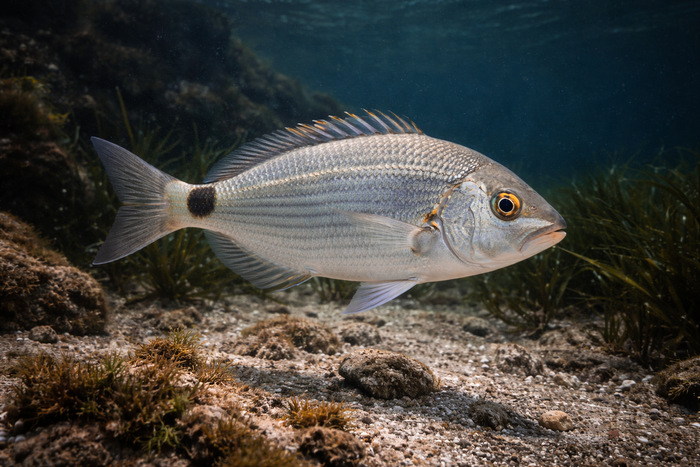
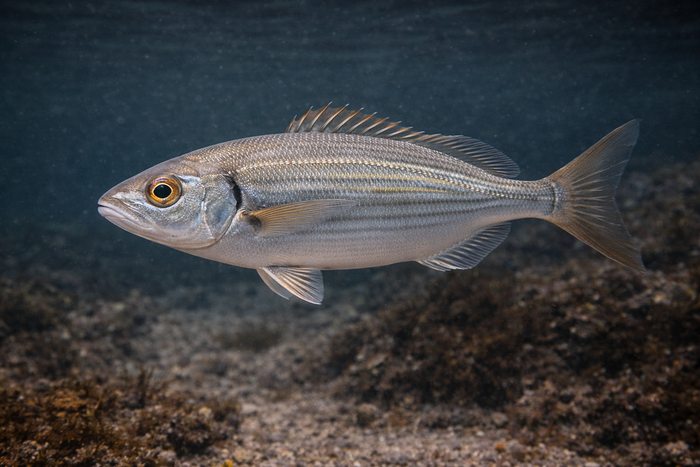
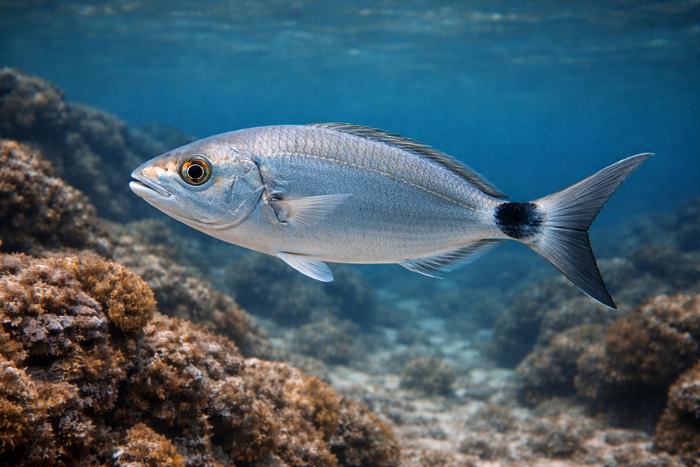
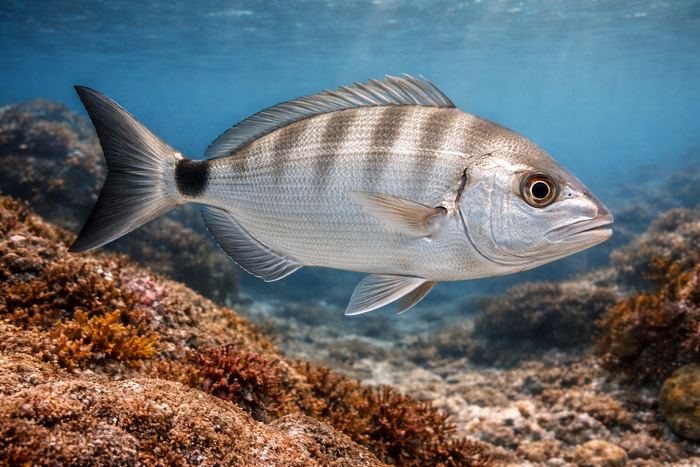
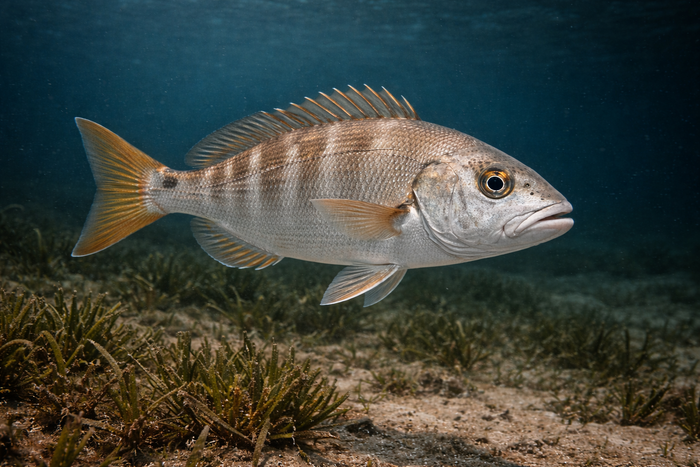
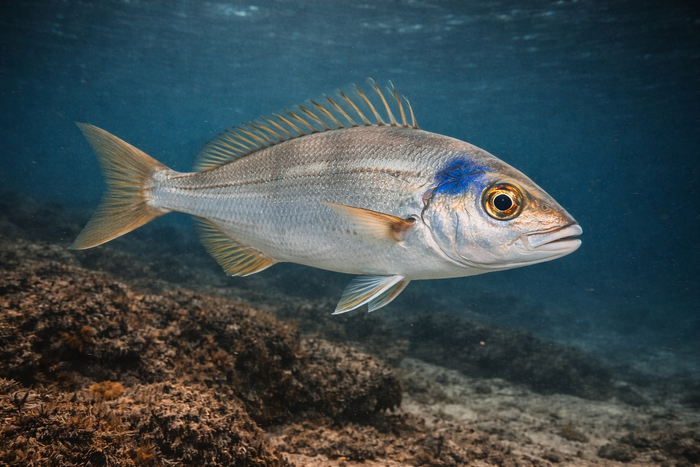
Diplodus vulgaris earns its name from the two bold black bands that slice across its otherwise shimmering silver body. These bands aren’t just for show—they serve as a form of disruptive coloration, confusing predators and prey alike. Unlike many seabream species that blend into the background, the Two-Banded Seabream wears its identity loud and proud.
Beyond aesthetics, this fish exhibits remarkable versatility. It can switch diets based on availability, feeding on everything from small invertebrates to algae. This omnivorous appetite allows it to thrive in varied conditions. Its robust jaw and teeth structure are designed for crushing shells and scraping surfaces, making it a formidable forager.
Habitat & Global Range
The Two-Banded Seabream stakes its claim primarily in the eastern Atlantic Ocean and the Mediterranean Sea. It favors rocky reefs, seagrass beds, and sandy bottoms where shelter and food sources abound. This species is a coastal specialist, rarely venturing far offshore, which makes it a common sight for snorkelers and divers in these regions.
Two-Banded Seabream habitat is typically shallow, ranging from a few meters deep to about 50 meters. The preference for warmer temperate waters means it thrives in environments where seagrass meadows flourish and rocky substrates provide hiding spots. This habitat choice is no accident; it balances access to food with protection from larger predators.
Behavior & Temperament
Diplodus vulgaris is a social fish, often found in small groups or loose schools. This schooling behavior enhances survival, confusing predators and increasing foraging efficiency. Despite its group tendencies, it can display territorial aggression, especially during breeding seasons when males guard nesting sites.
The Two-Banded Seabream is a diurnal feeder, active during daylight hours when it patrols the reef and seagrass beds. Its diet is opportunistic, ranging from crustaceans and mollusks to algae and detritus. This adaptability in feeding habits is a key factor in its success across diverse habitats.
Its temperament is generally non-aggressive toward humans but watch out if you’re a smaller fish or invertebrate. The Two-Banded Seabream’s boldness and assertiveness in feeding can make it a dominant presence in its niche.
Ecological Importance
This seabream plays a crucial role in maintaining the health of coastal ecosystems. By feeding on a variety of invertebrates, it helps control populations that could otherwise overwhelm seagrass beds and rocky reefs. Its grazing on algae also prevents overgrowth that can smother vital habitats.
Moreover, the Two-Banded Seabream serves as prey for larger predatory fish and marine mammals, linking lower and higher trophic levels. Its presence indicates a balanced ecosystem, where predator-prey dynamics are intact.
In seagrass meadows, its foraging activity aids nutrient cycling and sediment turnover, indirectly supporting the growth of these underwater meadows. These habitats are essential for carbon sequestration and serve as nurseries for many marine species, making the Two-Banded Seabream a silent but significant contributor to ocean health.
Conservation & Environmental Pressures
While not currently listed as endangered, the Two-Banded Seabream faces pressures from overfishing, habitat degradation, and pollution. Coastal development and destructive fishing practices threaten the seagrass beds and rocky reefs it calls home.
Pollution, particularly from agricultural runoff and urban waste, can degrade water quality, impacting the seabream’s food sources and breeding grounds. Climate change adds another layer of complexity, with warming waters and ocean acidification potentially altering its habitat range and reproductive success.
Sustainable fishing practices and marine protected areas are critical to ensuring the future of Diplodus vulgaris populations. Monitoring and managing coastal ecosystems will help maintain the delicate balance this species depends on.
The FishyAF Take
The Two-Banded Seabream is more than just a pretty face with bold stripes. It’s a resilient, adaptable species that holds a vital spot in coastal marine ecosystems. Its unique appearance makes it memorable, but its ecological role makes it indispensable.
For anglers, divers, and marine biologists, understanding Two-Banded Seabream facts and Two-Banded Seabream habitat is key to appreciating how this fish fits into the bigger ocean puzzle. Protecting its environment isn’t just about saving one species—it’s about preserving the intricate web of life that keeps our seas vibrant and productive.
If you want a fish that combines striking looks with ecological muscle, the Two-Banded Seabream is your go-to coastal champion. Keep an eye out for those two bands—they’re a sign you’re witnessing a true survivor of the sea.