White Sea Bream (Diplodus sargus): The Mediterranean’s Silver-Bodied Opportunist That Won’t Quit
The White Sea Bream, Diplodus sargus, is a standout species in coastal waters where it commands attention with its bold stripes and confident presence. Known for its adaptability and striking appearance, this fish is a favorite among anglers and marine enthusiasts alike. It’s not just another bream; it’s a resilient, resourceful player in the underwater ecosystem, making it a fascinating subject for anyone serious about marine life.
What Makes the White Sea Bream Unique?
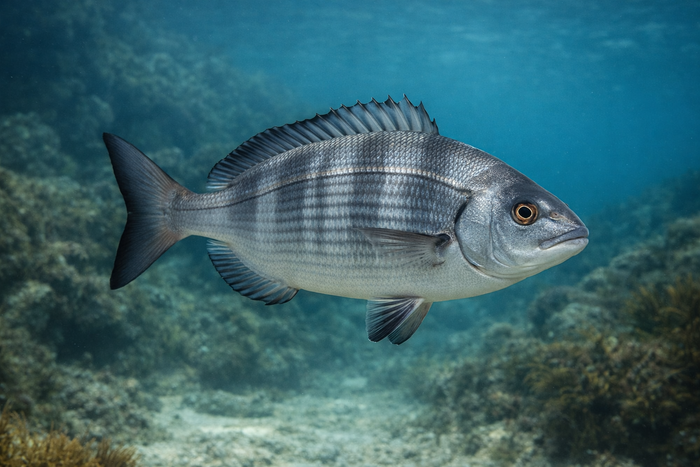
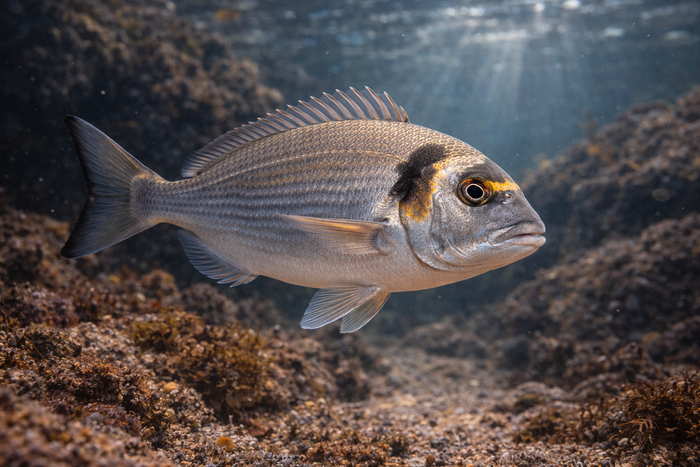
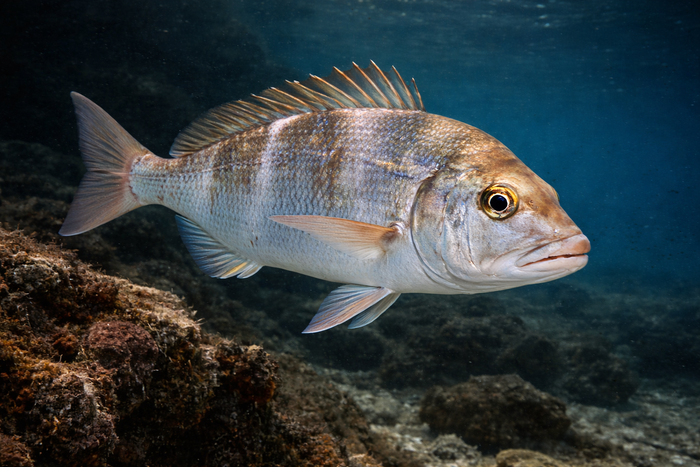
The White Sea Bream is instantly recognizable by its silver body adorned with dark vertical bands, usually five, that give it a distinctive, almost armored look. Unlike many other bream species, it has a robust, oval-shaped body and a strong jaw equipped with teeth designed for crushing shells and crustaceans. This dentition reflects its opportunistic feeding habits, allowing it to exploit a variety of food sources from mollusks to small fish.
Its ability to thrive in diverse environments, from rocky reefs to seagrass beds, sets it apart. The White Sea Bream is not a picky eater or habitat snob. This flexibility is a key factor in its widespread presence and survival. It also exhibits interesting social behavior, often forming small schools but capable of solitary foraging when necessary.
Habitat & Global Range
White Sea Bream habitat is primarily coastal, favoring the shallow waters of the Mediterranean Sea and the eastern Atlantic Ocean. You’ll find them from the coasts of Portugal and Morocco up through the Mediterranean basin, including the Adriatic and Aegean Seas. They prefer rocky bottoms, seagrass meadows, and sandy substrates where food is abundant and shelter is available.
This species is highly adaptable to different salinity levels and temperatures, which explains its broad range. Juveniles often inhabit sheltered bays and estuaries, while adults move into deeper waters but rarely venture beyond the continental shelf. Their presence in both temperate and subtropical waters makes them a versatile species in terms of environmental tolerance.
Behavior & Temperament
White Sea Bream behavior is a mix of cautious and curious. They are not aggressive but will defend their territory if provoked. Typically, they form small groups, especially during feeding or spawning seasons, but can also be observed alone. Their feeding strategy is methodical—using their powerful jaws to crush shells and pick at invertebrates hidden in crevices.
During spawning, which usually occurs in late spring to early summer, males become more territorial and display brighter coloration to attract females. This territoriality is a rare glimpse into their otherwise social nature. They are diurnal feeders, active during daylight hours, and tend to rest in sheltered areas at night.
Ecological Importance
White Sea Bream plays a crucial role in maintaining the balance of coastal ecosystems. By preying on mollusks, crustaceans, and small fish, they help regulate populations that could otherwise overwhelm their habitats. Their feeding habits contribute to the health of seagrass beds by controlling grazers that might damage these vital underwater meadows.
They also serve as prey for larger predatory fish and marine mammals, making them an integral link in the food web. Their presence indicates a healthy, functioning ecosystem, as they require clean, oxygen-rich waters and a diverse benthic community to thrive.
Conservation & Environmental Pressures
Despite their adaptability, White Sea Bream populations face threats from overfishing, habitat degradation, and pollution. Coastal development and destructive fishing practices have damaged many of their preferred habitats, particularly seagrass beds and rocky reefs. Pollution, especially from agricultural runoff and urban waste, affects water quality and the availability of prey species.
Fishing pressure is significant because White Sea Bream is a popular target for both commercial and recreational fisheries. While not currently endangered, local population declines have been reported in heavily exploited areas. Conservation efforts focus on habitat protection, sustainable fishing regulations, and monitoring population trends to ensure this species remains abundant.
The FishyAF Take
The White Sea Bream is a prime example of a species that combines resilience with ecological significance. It’s not flashy like some tropical fish, but its understated strength and adaptability make it a cornerstone of Mediterranean coastal ecosystems. For anglers, it offers a challenging and rewarding catch, while for scientists and conservationists, it serves as a barometer for environmental health.
Understanding White Sea Bream facts and habitat needs is essential for preserving this species amid growing human pressures. It’s a fish that demands respect—not just for its role in the food chain, but for its ability to thrive where many others falter. Keep an eye out for this silver warrior next time you’re near rocky shores or seagrass beds. It’s a reminder that survival in the sea is about more than just speed or size; it’s about adaptability, tenacity, and a bit of attitude.