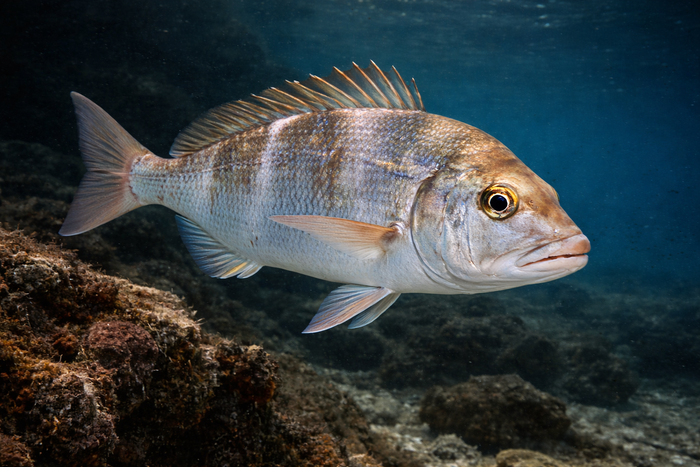
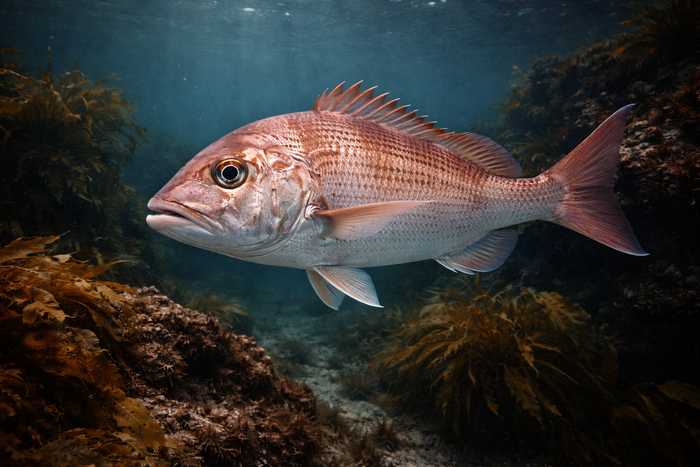
Gilt-Head Bream (Sparus aurata): The Mediterranean’s Golden Gladiator of the Sea
The Gilt-Head Bream, Sparus aurata, is no ordinary fish. It’s a staple of Mediterranean waters, a prized catch for anglers and chefs alike, and a species that commands respect for its resilience and adaptability. Known for the distinctive golden stripe between its eyes, this fish is as visually striking as it is ecologically significant. Whether you’re a seasoned angler, a marine enthusiast, or just curious about the finer points of fish species, the Gilt-Head Bream offers a fascinating study in survival, behavior, and environmental interaction.
What Makes the Gilt-Head Bream Unique?
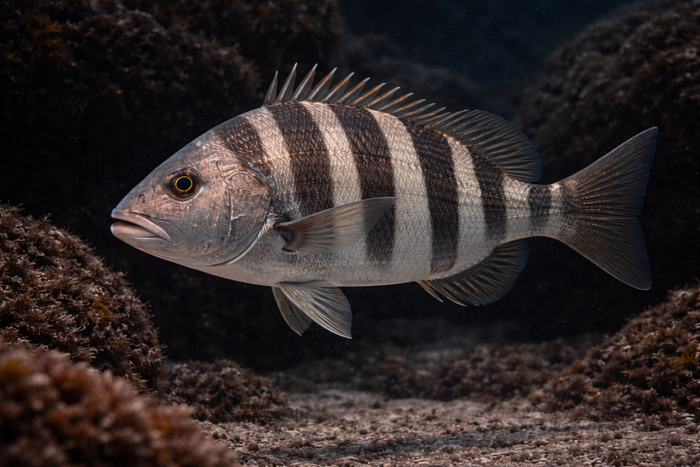
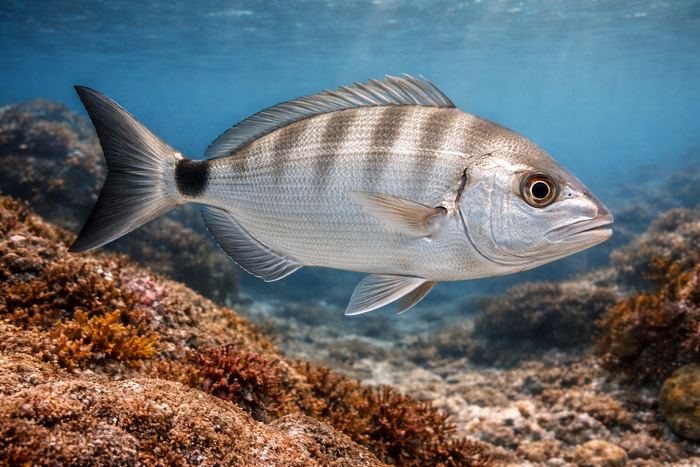
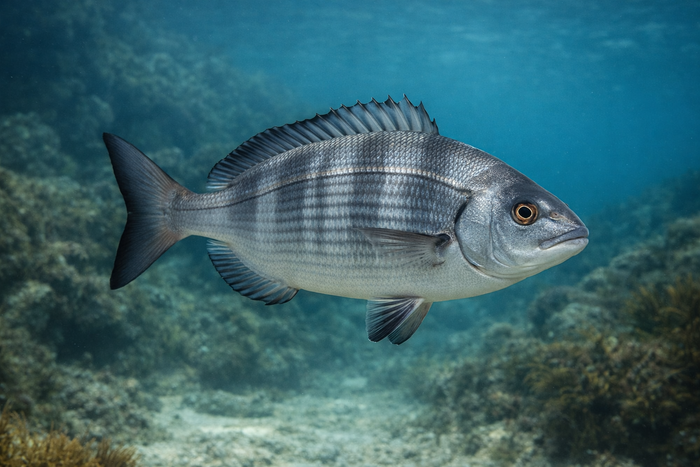
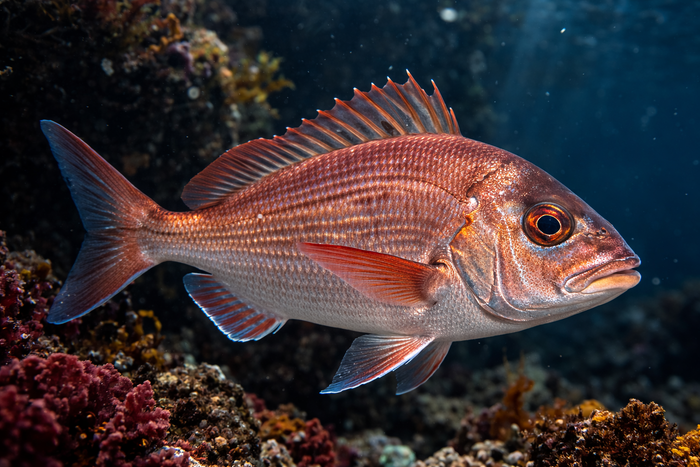
The hallmark of the Gilt-Head Bream is the unmistakable golden band on its forehead, a feature that gives the species its name and sets it apart from other sea breams. But this fish’s uniqueness goes beyond aesthetics. It’s a protandric hermaphrodite, meaning individuals start life as males and later transition to females. This biological quirk plays a crucial role in population dynamics and reproductive success.
Its diet is equally versatile, ranging from mollusks and crustaceans to small fish and plant matter, showcasing an opportunistic feeding strategy that supports its survival across varied environments. The Gilt-Head Bream’s robust jaw and strong teeth allow it to crush hard shells, a trait that not only defines its feeding habits but also its role in the ecosystem.
Habitat & Global Range
Gilt-Head Bream habitat is primarily coastal and shallow waters, thriving in seagrass beds, sandy bottoms, and rocky reefs. These environments provide ample food and shelter, essential for growth and reproduction. The species is native to the Mediterranean Sea and the eastern Atlantic Ocean, stretching from the British Isles down to Senegal.
Its adaptability to both marine and brackish waters means it can also be found in estuaries and lagoons, where salinity fluctuates. This flexibility in habitat preference allows the Gilt-Head Bream to exploit a range of ecological niches, making it a resilient species in the face of environmental changes.
Behavior & Temperament
The Gilt-Head Bream is a social fish, often found in small groups or schools, especially during feeding or spawning seasons. Its behavior is marked by a mix of boldness and caution. It’s curious enough to investigate potential food sources or intruders but quick to retreat when threatened.
Spawning behavior is particularly interesting. Occurring mainly in spring and early summer, males establish territories and engage in courtship displays to attract females. The species’ protandric nature means that population sex ratios can shift with age and environmental conditions, influencing social dynamics and reproductive output.
Ecological Importance
This fish plays a pivotal role in coastal ecosystems. By preying on hard-shelled invertebrates, the Gilt-Head Bream helps regulate populations of mollusks and crustaceans, maintaining a balance that supports biodiversity. Its feeding activity also contributes to the health of seagrass beds by controlling species that might otherwise overgraze these vital habitats.
Moreover, the Gilt-Head Bream serves as prey for larger predators, linking lower and higher trophic levels. Its presence indicates a healthy, functioning ecosystem, making it a valuable species for monitoring environmental conditions.
Conservation & Environmental Pressures
Despite its resilience, the Gilt-Head Bream faces challenges from overfishing, habitat degradation, and pollution. Coastal development and destructive fishing practices threaten seagrass beds and estuarine environments critical for its lifecycle. Aquaculture has stepped in to meet demand, but wild populations still require careful management.
Climate change adds another layer of complexity, with rising sea temperatures and ocean acidification potentially impacting reproductive cycles and habitat suitability. Conservation efforts focus on sustainable fishing quotas, habitat protection, and pollution control to ensure this species remains a fixture of Mediterranean waters.
The FishyAF Take
The Gilt-Head Bream is a powerhouse of adaptability and ecological significance wrapped in a sleek, golden package. It’s a species that demands respect not just for its culinary value but for its role in maintaining the delicate balance of coastal ecosystems. Understanding Gilt-Head Bream facts and habitat preferences is crucial for anglers, conservationists, and anyone invested in the health of marine environments.
This fish is a reminder that even the most familiar species have complex lives and vital roles beneath the surface. Protecting the Gilt-Head Bream means safeguarding the intricate web of life it supports. Keep your eyes peeled for that golden stripe next time you’re by the Mediterranean coast—it’s a symbol of resilience, adaptability, and the untamed spirit of the sea.