Black Seabream (Spondyliosoma cantharus): The Tough, Territorial Titan of Coastal Waters
The Black Seabream, Spondyliosoma cantharus, is a standout species in coastal marine ecosystems. Known for its robust build and striking appearance, this fish commands attention both from anglers and marine biologists alike. It’s not just another seabream; it’s a species that blends resilience with a complex social structure, making it a fascinating subject for anyone interested in marine life. This guide dives deep into Black Seabream facts, exploring what sets this fish apart, where it thrives, and why it matters.
What Makes the Black Seabream Unique?
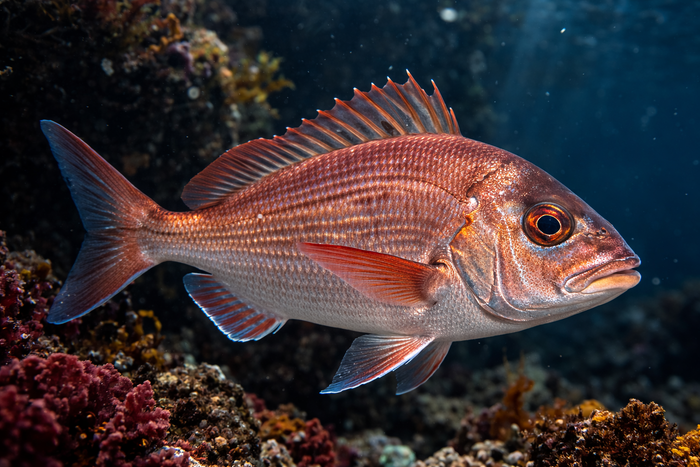
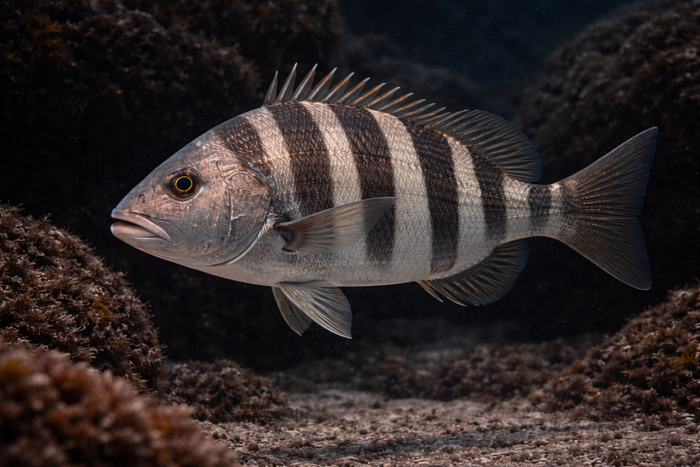
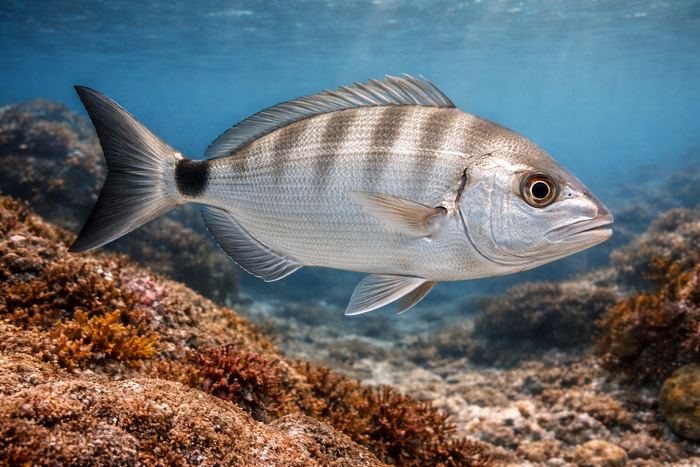
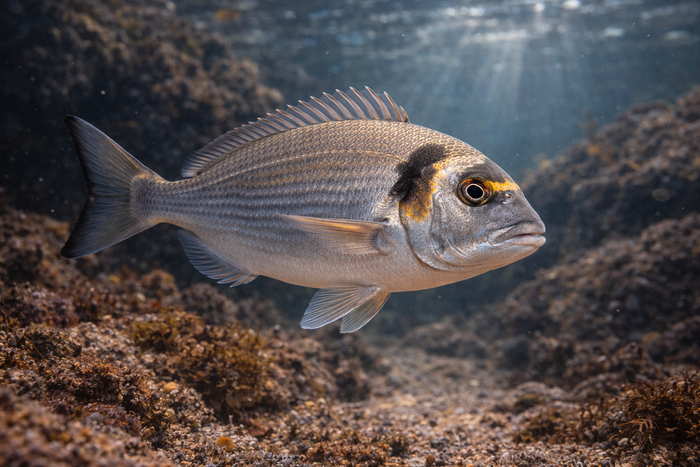
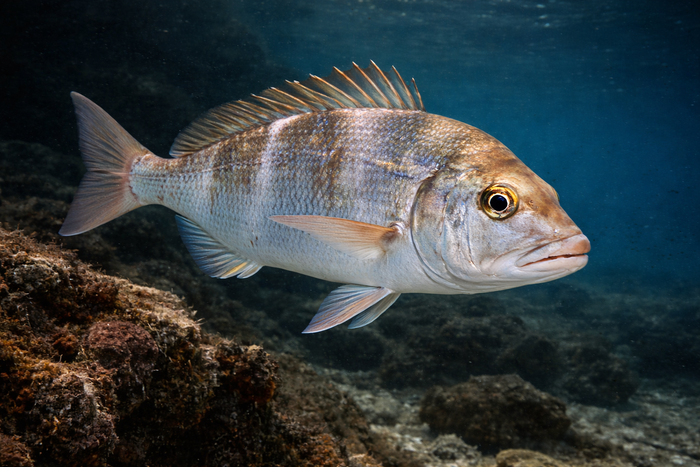
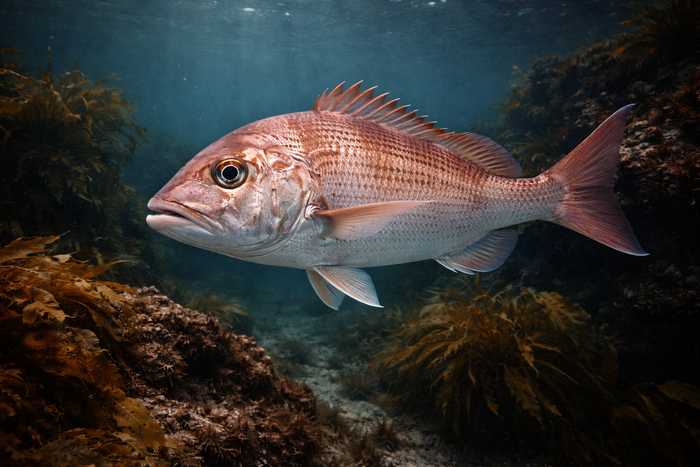
Black Seabream are no wallflowers. Their body is deep and laterally compressed, sporting a dark, often blackish hue with subtle hints of blue and silver. Unlike many fish that rely on speed or camouflage alone, Black Seabream combine a tough exterior with a bold personality. One of their defining traits is their pronounced canine teeth, which hint at their omnivorous diet that includes crustaceans, mollusks, and small fish. This dental setup allows them to crush hard shells, giving them an edge in their feeding strategy.
Another unique feature is their reproductive behavior. Black Seabream are protogynous hermaphrodites, meaning individuals start life as females and later transition to males. This sex change is a strategic adaptation to maximize reproductive success within their social groups. Males become territorial and fiercely guard nesting sites, showcasing a level of parental investment rare among many fish species.
Habitat & Global Range
Black Seabream habitat spans the eastern Atlantic Ocean, from Norway down to Senegal, including the Mediterranean Sea. They prefer rocky reefs, seagrass beds, and coastal areas with plenty of structure to hide and hunt. Depth-wise, they are versatile, found from shallow waters to around 100 meters deep, adapting to a range of underwater environments.
Their affinity for structured habitats is no accident. These environments provide shelter from predators and abundant food sources. The Black Seabream’s ability to thrive in both temperate and subtropical waters speaks to its adaptability, a key factor in its widespread distribution.
Behavior & Temperament
This species is territorial and displays complex social dynamics. Males establish and defend nesting territories during the breeding season, often engaging in aggressive displays to ward off rivals. Outside of breeding, Black Seabream can be found in small groups or solitary, patrolling their preferred feeding grounds.
Their feeding behavior is opportunistic but deliberate. Using their strong teeth, they pry open shells and crush exoskeletons, showing a level of problem-solving that’s impressive for a fish. They are diurnal, active during the day when their prey is most accessible.
Ecological Importance
Black Seabream play a significant role in coastal ecosystems. As mid-level predators, they help regulate populations of invertebrates and smaller fish, maintaining a balanced food web. Their feeding habits contribute to controlling species that might otherwise overgraze on seagrass beds or coral reefs, indirectly supporting habitat health.
Moreover, their nesting activities can influence the local benthic environment. By selecting and defending specific sites, they affect sediment composition and the distribution of other marine organisms. This interaction highlights their role beyond just being prey or predator; they are ecosystem engineers in their own right.
Conservation & Environmental Pressures
Despite their resilience, Black Seabream face several environmental pressures. Overfishing is a primary concern, especially in regions where they are targeted for commercial and recreational purposes. Their slow growth and late maturity make populations vulnerable to depletion.
Habitat degradation also poses a threat. Coastal development, pollution, and destructive fishing practices damage the rocky reefs and seagrass beds critical to their survival. Climate change adds another layer of complexity, potentially shifting their range and affecting reproductive cycles.
Conservation efforts must focus on sustainable fishing regulations and habitat protection to ensure Black Seabream populations remain stable. Marine protected areas and catch limits are essential tools in this fight.
The FishyAF Take
The Black Seabream is a prime example of a species that punches above its weight in ecological significance and character. It’s not just a fish to catch and forget; it’s a dynamic player in coastal ecosystems with fascinating biological quirks. Understanding Black Seabream facts and habitat preferences is crucial for anyone serious about marine conservation or fishing.
If you’re looking to appreciate a fish that combines toughness, intelligence, and ecological importance, the Black Seabream deserves your attention. It’s a reminder that beneath the waves, complexity and resilience often go hand in hand. Protecting this species means preserving a vital piece of the marine puzzle.