Sheepshead (Archosargus probatocephalus): The Fish with Human Teeth and a Taste for Trouble
The sheepshead is not your average coastal fish. Sporting a set of teeth that look suspiciously like a dentist’s nightmare, this species stands out in the crowded marine world. Known for its bold stripes and uncanny ability to crush shells, the sheepshead has earned a reputation as a tough, adaptable fighter in both the wild and on the line. Understanding sheepshead facts reveals a fish that’s as fascinating as it is formidable.
What Makes the Sheepshead Unique?
The sheepshead’s most striking feature is its teeth—rows of molars and incisors that resemble human teeth. These aren’t just for show. They’re perfectly designed for crushing hard-shelled prey like crabs, barnacles, and mollusks. This dental setup allows the sheepshead to exploit food sources many other fish can’t touch, giving it a competitive edge.
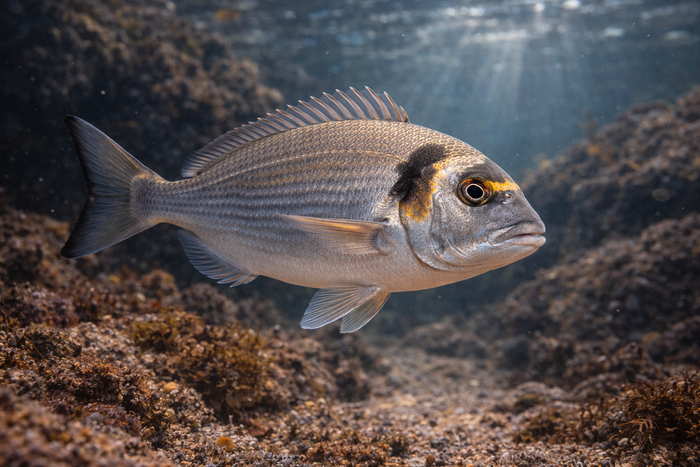
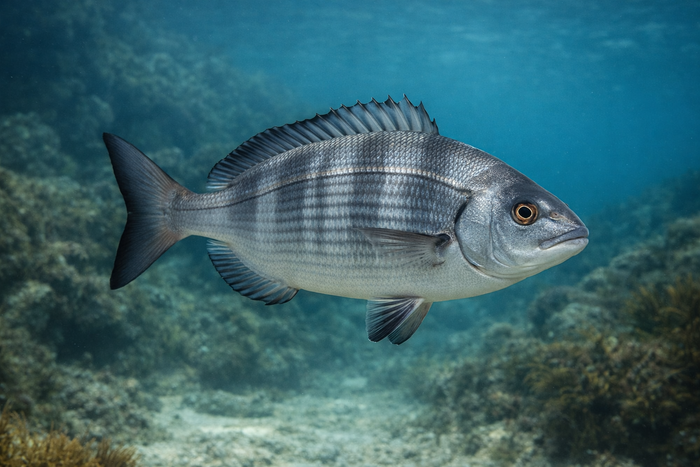
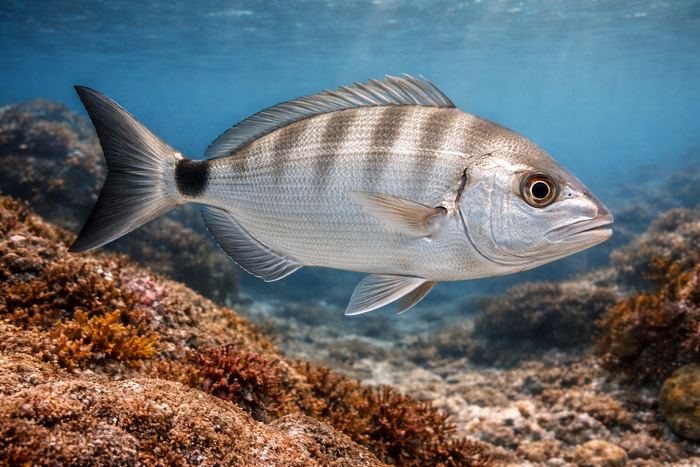
Its body is deep and compressed, with bold black vertical stripes that look like prison bars. This pattern isn’t just for aesthetics; it provides camouflage among pilings, rocks, and oyster beds. The sheepshead’s ability to blend into complex structures is a survival tactic that also makes it a challenging catch for anglers.
Habitat & Global Range
Sheepshead habitat centers around the western Atlantic coast, from Nova Scotia down to the Gulf of Mexico and as far south as Brazil. They thrive in coastal waters, particularly around structures like jetties, piers, mangroves, oyster reefs, and rocky bottoms. These environments provide both shelter and a buffet of shellfish.
Unlike many fish that prefer open water, sheepshead are structure lovers. They hang around hard surfaces where their preferred prey congregates. This preference shapes their distribution and behavior, making them a common sight in estuaries and nearshore habitats where fresh and saltwater mix.
Behavior & Temperament
Sheepshead are opportunistic feeders with a diet heavy on crustaceans and bivalves. Their feeding behavior involves scraping and crushing, using their teeth to break open shells that other fish would avoid. This makes them a key predator in their niche.
They are generally solitary or found in small groups, especially during spawning season. Sheepshead can be territorial, especially around prime feeding spots. Their temperament is cautious but curious, often inspecting divers or anglers before making a move.
During spawning, which typically occurs in late winter to early spring, sheepshead migrate offshore to deeper waters. They produce large numbers of eggs, ensuring their survival despite predation and environmental challenges.
Ecological Importance
Sheepshead play a crucial role in controlling populations of hard-shelled invertebrates. By feeding on barnacles, oysters, and crabs, they help maintain the balance in coastal ecosystems. This predation can influence the health of oyster reefs and other benthic communities, indirectly supporting water quality and habitat complexity.
Their presence around man-made structures also highlights their adaptability and importance in urbanized coastal zones. Sheepshead contribute to the biodiversity of these areas, supporting recreational fisheries and local economies.
Conservation & Environmental Pressures
While sheepshead populations are generally stable, they face threats from habitat degradation, pollution, and overfishing. Coastal development can destroy or alter the structures they depend on, such as oyster reefs and mangroves. Water quality issues, including runoff and sedimentation, further impact their habitat.
Fishing pressure, especially from recreational anglers targeting sheepshead for their firm, white flesh, can lead to localized declines if not managed properly. Size and bag limits exist in many regions to protect breeding populations, but enforcement and awareness vary.
Climate change adds another layer of complexity, potentially shifting sheepshead habitat northward as waters warm. This could disrupt existing ecosystems and fisheries, demanding adaptive management strategies.
The FishyAF Take
The sheepshead is a fish that refuses to be overlooked. Its unique dental armor, habitat preferences, and ecological role make it a standout species along the Atlantic and Gulf coasts. For anglers, it offers a challenging and rewarding catch. For ecologists, it’s a key player in maintaining the health of coastal ecosystems.
Understanding sheepshead facts and habitat is essential for appreciating their place in the marine world and ensuring their populations remain robust. These fish are a testament to nature’s ability to innovate—turning a set of human-like teeth into a survival weapon. Keep an eye out for the sheepshead next time you’re near a pier or oyster bed. It’s a fish that’s as tough as it is intriguing.