Knobbed Porgy (Calamus nodosus): The Reef’s Rugged, Knobby Powerhouse
The Knobbed Porgy, Calamus nodosus, is not your average reef dweller. With its distinctive bumpy forehead and robust body, this fish commands attention both visually and ecologically. It’s a species that embodies the gritty resilience of coastal ecosystems, thriving where structure and complexity meet. If you’re diving into Knobbed Porgy facts, expect a fish that’s as tough as it is intriguing.
What Makes the Knobbed Porgy Unique?
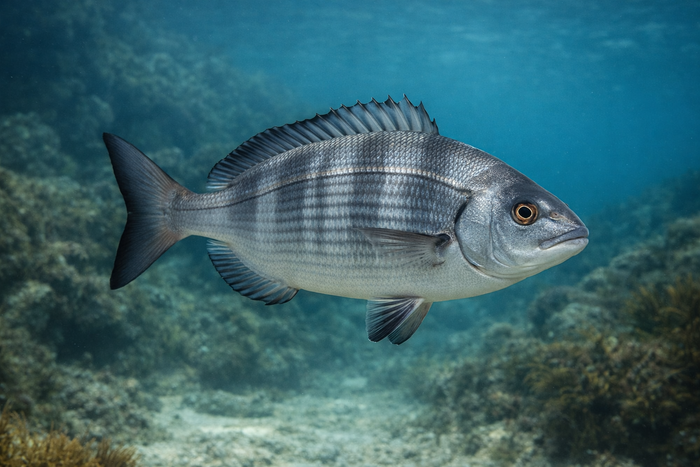
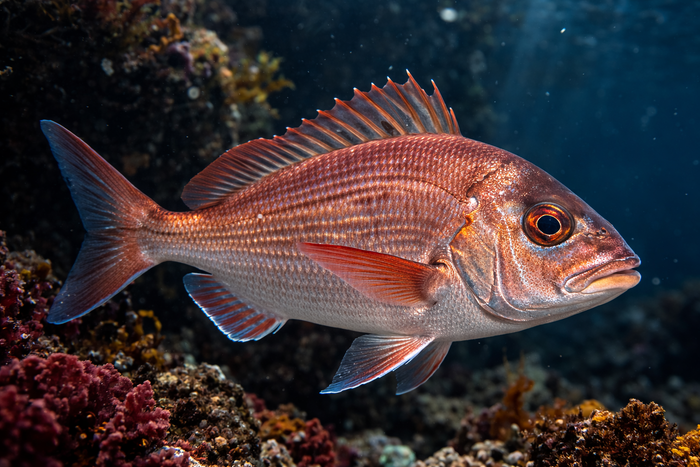
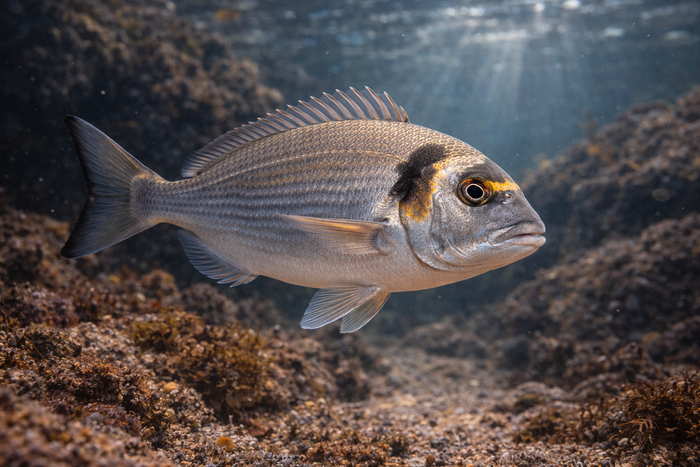
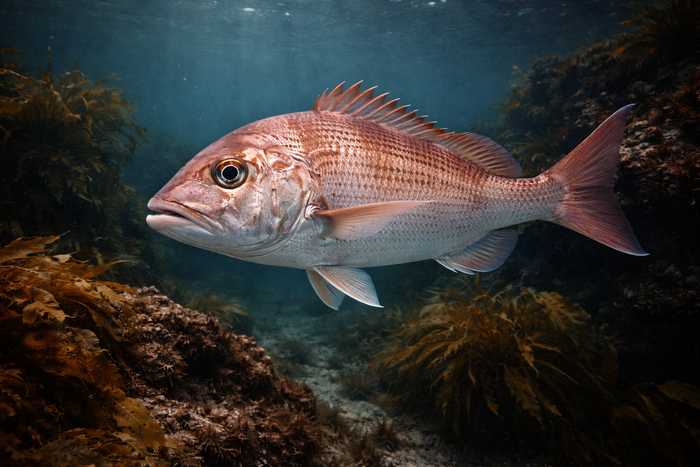
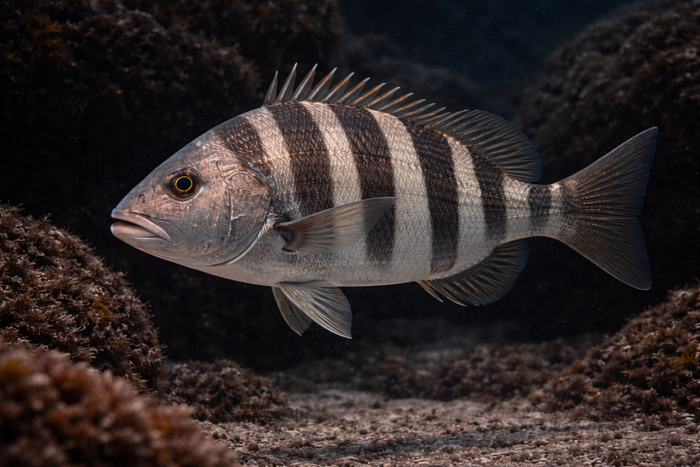
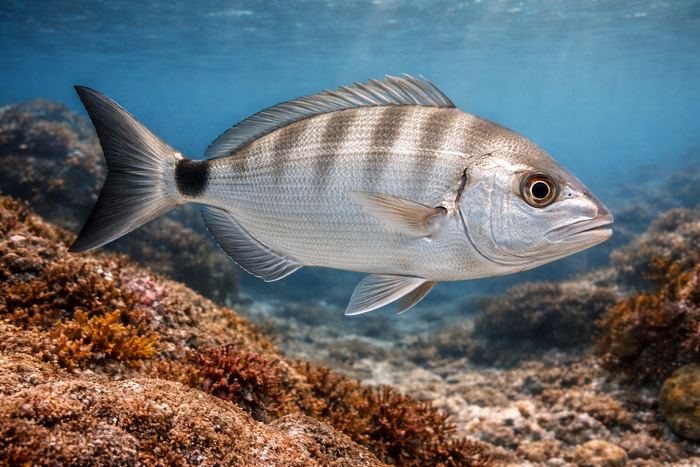
The standout feature of the Knobbed Porgy is, without question, the pronounced knob or bump on its forehead. This physical trait isn’t just for show; it plays a role in territorial displays and mating rituals, signaling dominance and fitness. Unlike many other porgies, Calamus nodosus sports a deep, laterally compressed body with a silvery sheen and subtle vertical bars that help it blend into the reef’s patchwork of light and shadow.
Its teeth are another point of interest. Designed for crushing, they allow the Knobbed Porgy to feed on hard-shelled prey like crustaceans and mollusks. This dental adaptation sets it apart from other reef fish that rely on softer diets. The combination of its unique head structure and specialized teeth makes the Knobbed Porgy a formidable presence on the reef.
Habitat & Global Range
The Knobbed Porgy calls the western Atlantic Ocean home, with a range stretching from North Carolina down through the Gulf of Mexico and into the Caribbean Sea. It favors shallow coastal waters, typically between 10 and 50 meters deep, where rocky reefs, coral heads, and sandy bottoms intersect. This habitat diversity is crucial; it provides both shelter and feeding grounds.
Knobbed Porgy habitat is characterized by complex underwater landscapes. These fish are often found near reef crests and ledges, areas rich in invertebrate life. The structural complexity of these habitats offers protection from predators and abundant food sources. Seasonal movements are minimal, as they tend to establish home ranges and defend them vigorously.
Behavior & Temperament
Knobbed Porgies are territorial and somewhat aggressive, especially males during breeding seasons. They stake out prime real estate on the reef and defend it against rivals with head-butting contests and displays involving their signature forehead knobs. This behavior is a clear message: this patch of reef is claimed.
Socially, they are mostly solitary or found in small groups. Their feeding strategy involves rooting around the substrate to uncover buried prey, using their strong jaws to crush shells. They are diurnal, active during the day when their prey is most accessible.
Despite their aggressive streak, Knobbed Porgies are not apex predators. They fall prey to larger fish and sharks, which keeps their populations in check and maintains the balance within the reef ecosystem.
Ecological Importance
The Knobbed Porgy plays a vital role in reef ecosystems. By preying on crustaceans and mollusks, it helps regulate these populations, preventing overgrazing on reef-building organisms like corals and algae. This balance is essential for maintaining reef health and resilience.
Their foraging behavior also contributes to sediment turnover, aerating the substrate and promoting nutrient cycling. This activity supports the broader benthic community, enhancing biodiversity.
Moreover, as prey for larger predators, Knobbed Porgies are a key link in the food web. Their presence indicates a healthy reef system with intact trophic dynamics.
Conservation & Environmental Pressures
While not currently listed as endangered, the Knobbed Porgy faces threats common to many reef-associated species. Habitat degradation from coastal development, pollution, and climate change-induced coral bleaching impacts their living spaces. Loss of reef complexity reduces shelter and food availability, directly affecting their survival.
Overfishing is another concern. Though not a primary target, Knobbed Porgies are caught incidentally in commercial and recreational fisheries. Their slow growth and territorial nature mean populations can decline if pressure is sustained.
Protecting Knobbed Porgy habitat is crucial. Marine protected areas and sustainable fishing practices help safeguard these fish and the reefs they depend on. Monitoring populations and habitat health provides early warning signs of ecosystem stress.
The FishyAF Take
The Knobbed Porgy is a prime example of how form meets function in the marine world. Its knobby forehead isn’t just a quirky feature; it’s a badge of territorial pride and reproductive fitness. This fish’s role as both predator and prey underscores its importance in reef ecosystems.
Understanding Knobbed Porgy facts and habitat needs is more than trivia—it’s a step toward appreciating and protecting the intricate balance of reef life. If you want a fish that embodies resilience, adaptability, and ecological significance, look no further than the Knobbed Porgy. It’s a reminder that even the reef’s rougher characters have a vital story to tell.