Pink Snapper (Pagrus auratus): The Ocean’s Flashy Fighter with a Taste for Adventure
The Pink Snapper, scientifically known as Pagrus auratus, is one of those fish that commands attention the moment it flashes its rosy hues beneath the waves. This species is a staple for anglers and seafood lovers alike, prized not just for its striking appearance but also for its robust fight and culinary versatility. If you’re diving into Pink Snapper facts, prepare to meet a fish that’s as bold in behavior as it is in color.
What Makes the Pink Snapper Unique?
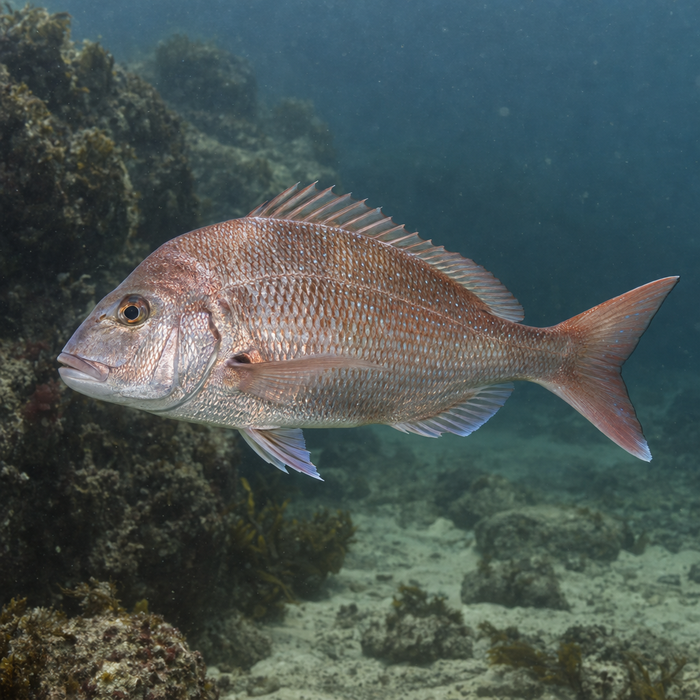
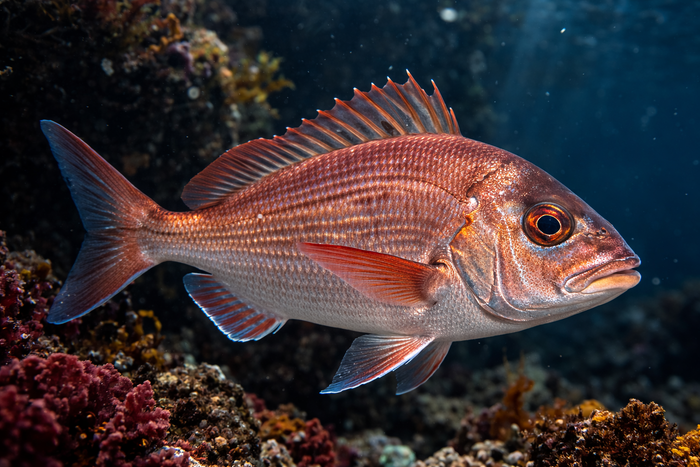
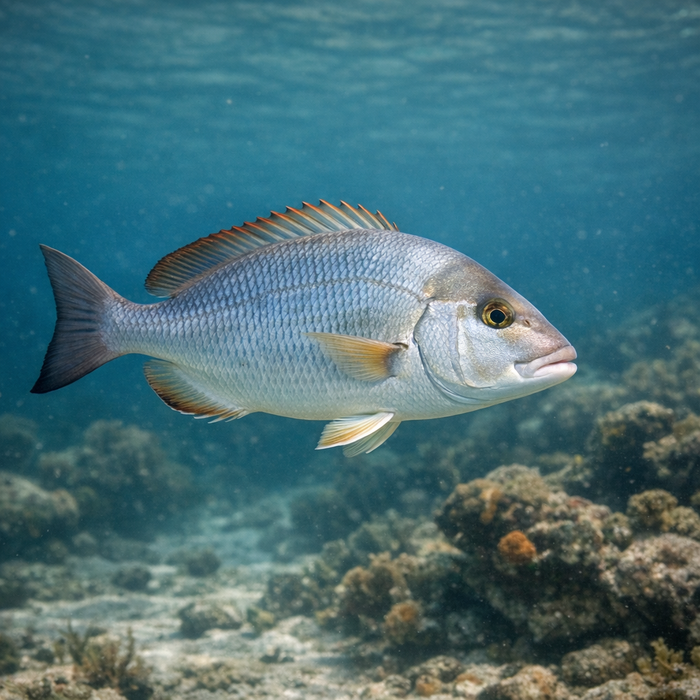
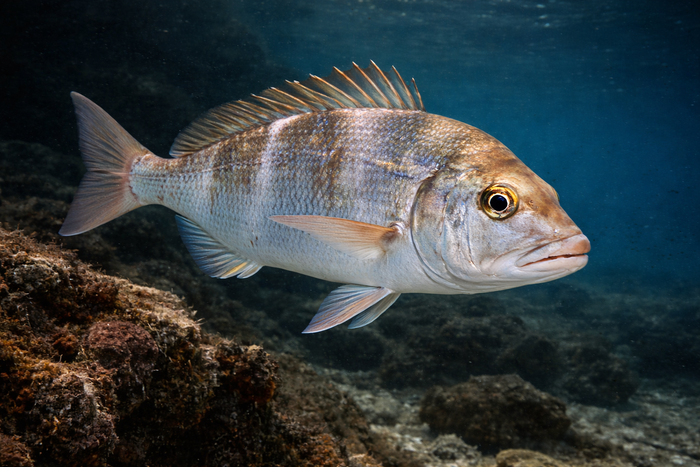
Pink Snapper stands out in the crowded world of reef and coastal fish for several reasons. First, its coloration is a vivid pink to reddish tone, often with a silvery sheen that can change depending on light and mood. This isn’t just for show; it’s a visual cue in social interactions and mating displays. The species also boasts a strong, deep body with a distinctive forked tail and sharp dorsal spines, making it a formidable opponent on the line.
Unlike many fish that stick to one niche, Pink Snapper is versatile in diet and habitat preferences. It’s an opportunistic feeder, chowing down on crustaceans, mollusks, smaller fish, and even scavenging when the occasion calls. This adaptability is a key factor in its success across diverse marine environments.
Habitat & Global Range
Pink Snapper habitat is primarily coastal and reef-associated, favoring rocky bottoms, reefs, and underwater structures where it can find shelter and food. It thrives in temperate to subtropical waters, predominantly around Australia, New Zealand, and parts of the western Pacific. Juveniles often inhabit estuaries and sheltered bays, using these safer zones as nurseries before venturing into deeper waters as adults.
This species is known for its site fidelity, often returning to the same reef or structure repeatedly. However, it’s not a homebody in the strictest sense; Pink Snapper can travel considerable distances, especially during spawning seasons when they gather in large aggregations.
Behavior & Temperament
Pink Snapper is a classic ambush predator with a twist. It’s patient and strategic, often lurking near reef edges or rocky outcrops waiting for the perfect moment to strike. Its temperament is a mix of cautious and aggressive, especially when defending territory or during mating season. Anglers appreciate its spirited fight, characterized by sudden bursts of speed and powerful runs that test tackle and skill.
Socially, Pink Snapper can be found alone or in small groups, though large schools are common during spawning. They communicate through body language and subtle color changes, which can signal dominance or readiness to mate. This species is also known to be curious, sometimes investigating divers or fishing gear with a cautious but unmistakable interest.
Ecological Importance
Pink Snapper plays a crucial role in maintaining the balance of reef ecosystems. As a mid-level predator, it helps control populations of smaller fish and invertebrates, preventing any one species from overwhelming the habitat. This predatory role supports biodiversity and the overall health of the reef environment.
Additionally, Pink Snapper contributes to nutrient cycling. By feeding on a variety of prey and moving between habitats, it helps redistribute nutrients across reef systems. This movement supports the productivity of both benthic and pelagic zones, benefiting a wide range of marine life.
Conservation & Environmental Pressures
Despite its resilience, Pink Snapper faces significant environmental pressures. Overfishing is the primary threat, driven by its popularity in commercial and recreational fisheries. Large-scale fishing can deplete local populations, especially when spawning aggregations are targeted. Habitat degradation, including reef damage from pollution, coastal development, and climate change, further threatens their survival.
Conservation measures have been implemented in some regions, such as size limits, seasonal closures, and marine protected areas. These efforts aim to ensure sustainable populations and protect critical habitats. However, enforcement and compliance vary, and ongoing monitoring is essential to adapt strategies as conditions change.
The FishyAF Take
Pink Snapper isn’t just another pretty face in the sea. It’s a resilient, adaptable predator with a vital role in marine ecosystems and a reputation that keeps anglers coming back for more. Understanding Pink Snapper facts and habitat nuances is key to appreciating why this species deserves respect both on the line and in the wild.
If you’re chasing a Pink Snapper, know that you’re engaging with a fish that’s smart, strong, and deeply connected to its environment. Protecting it means protecting the reefs and coastal waters that support countless other species. So next time you reel one in or spot its flash beneath the waves, remember you’re witnessing a cornerstone of ocean health and a true champion of the reef.