Scup (Stenotomus chrysops): The East Coast’s Feisty Little Fighter with a Taste for Trouble
Meet the Scup, a scrappy little fish that punches well above its weight in the Atlantic coastal waters of North America. Known scientifically as Stenotomus chrysops, this species is a staple for anglers and a key player in marine ecosystems. If you’re diving into Scup facts, you’re about to discover a fish that’s as bold in behavior as it is in appearance. Forget the flashy giants; the Scup’s charm lies in its resilience, adaptability, and the subtle but crucial role it plays beneath the waves.
What Makes the Scup Unique?
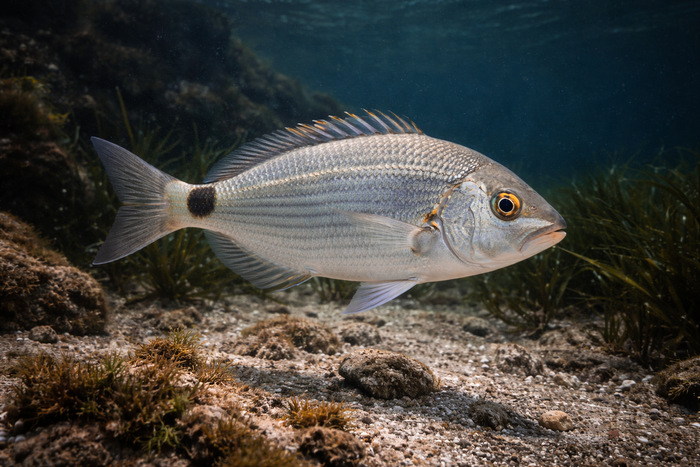
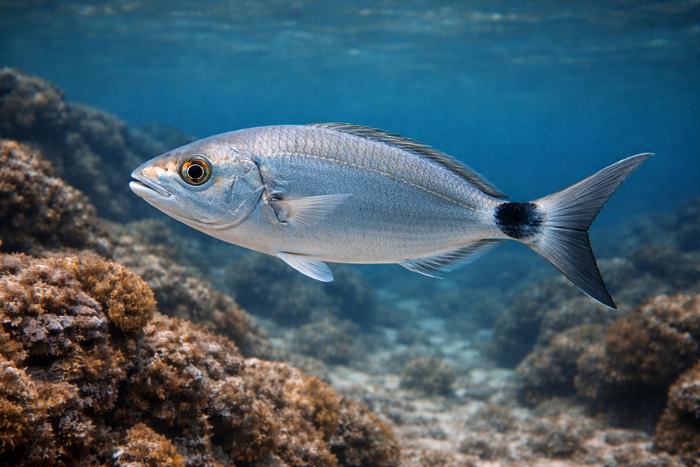
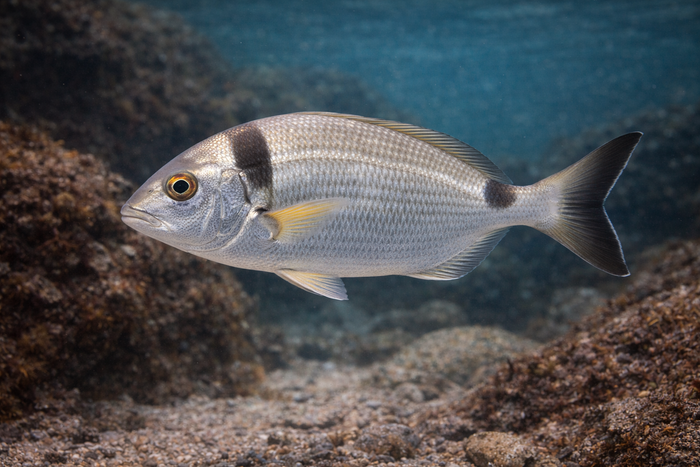
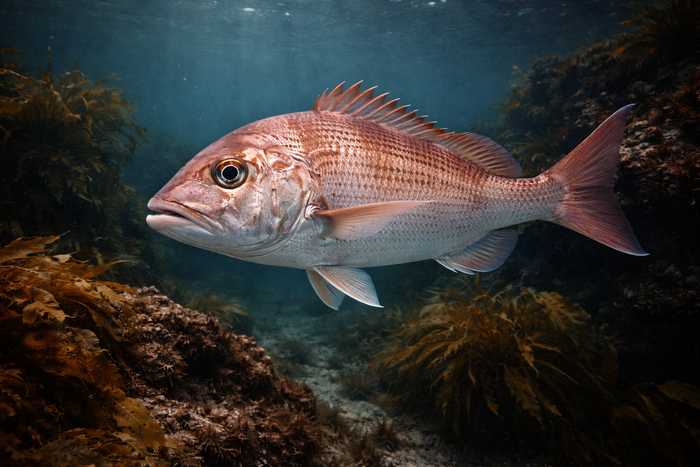
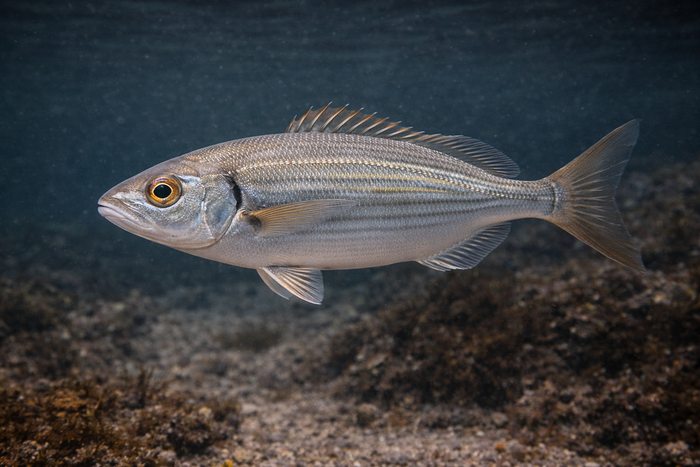
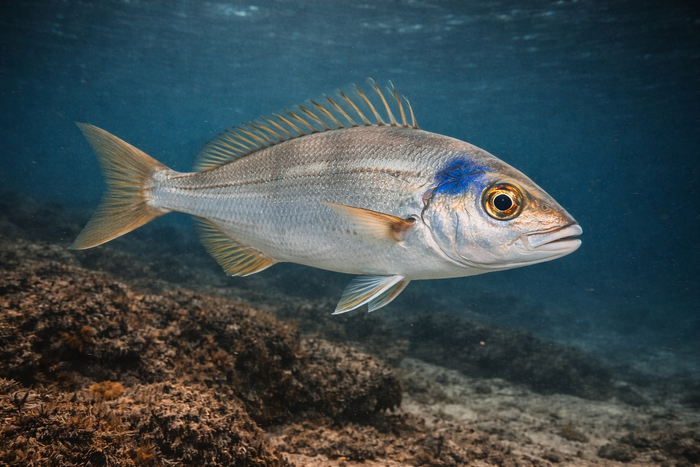
The Scup stands out with its deep, laterally compressed body and a mouth full of sharp teeth that hint at its opportunistic feeding habits. Its coloration—a mix of silvery gray with hints of blue and bronze—makes it a subtle but striking presence in its environment. Unlike many coastal fish, the Scup can thrive in a variety of conditions, from sandy bottoms to rocky reefs, showing a versatility that few species can match.
Its boldness is legendary among anglers. Scup are notorious for their aggressive strikes and willingness to take bait, making them a favorite for sport fishing. But beyond the angler’s appeal, the Scup’s unique jaw structure and feeding mechanics allow it to crush hard-shelled prey like mollusks and crustaceans, giving it a dietary edge in crowded coastal ecosystems.
Habitat & Global Range
The Scup’s habitat is a classic example of coastal adaptability. Found predominantly along the western Atlantic coast, its range stretches from Massachusetts down to Florida, with occasional ventures into the Gulf of Mexico. This fish prefers shallow coastal waters, often inhabiting bays, estuaries, and nearshore reefs where it can find ample food and shelter.
Scup habitat is characterized by sandy or gravelly bottoms, but these fish are not picky. They also frequent eelgrass beds and rocky substrates, demonstrating a remarkable ability to exploit different environments. Seasonal migrations are part of their life rhythm, moving offshore during colder months and returning to inshore waters to spawn in spring and summer.
Behavior & Temperament
Scup behavior is a study in opportunism and social dynamics. These fish are schooling creatures, often found in large groups that can number in the hundreds. This schooling behavior provides safety in numbers and enhances their foraging efficiency. When feeding, Scup display a mix of aggression and precision, targeting a variety of prey including small fish, worms, and crustaceans.
Their temperament is feisty. Scup are known for their quick, darting movements and willingness to defend territory or food sources. This makes them a challenging catch and a lively presence in their underwater communities. They are also highly adaptable, adjusting their feeding and movement patterns based on environmental conditions and predator presence.
Ecological Importance
The Scup is more than just a game fish; it’s a vital cog in coastal ecosystems. As both predator and prey, it helps maintain the balance of marine food webs. By feeding on benthic invertebrates like mollusks and crustaceans, Scup control populations that could otherwise overwhelm the seabed environment. This grazing activity also influences sediment dynamics and nutrient cycling.
On the flip side, Scup serve as a crucial food source for larger predatory fish, seabirds, and marine mammals. Their schooling behavior makes them an accessible and energy-rich meal, supporting the health and diversity of higher trophic levels. Understanding Scup facts is essential for grasping the complex interdependencies that sustain coastal marine life.
Conservation & Environmental Pressures
Despite their abundance, Scup populations face pressures that warrant attention. Overfishing, habitat degradation, and water quality issues pose ongoing threats. Scup are targeted heavily by commercial and recreational fisheries, which can lead to localized depletion if not managed properly.
Environmental changes such as coastal development and pollution impact Scup habitat quality, particularly in estuaries and bays where juveniles grow. Climate change adds another layer of complexity, potentially altering migration patterns and spawning success. Effective conservation requires a balanced approach that includes sustainable fishing practices, habitat protection, and monitoring of population trends.
The FishyAF Take
Scup are the unsung heroes of the Atlantic coast—small but mighty, adaptable but vulnerable. They embody the gritty spirit of coastal fisheries and the intricate dance of marine ecosystems. For anglers, they offer a spirited challenge and a taste of the ocean’s raw energy. For ecologists, they represent a key species whose health signals the broader condition of coastal waters.
If you want to understand the pulse of Atlantic coastal fisheries, you need to know your Scup facts. This fish is a reminder that sometimes the most impactful players aren’t the biggest or flashiest but the ones that keep the system ticking with quiet persistence. Respect the Scup, manage it wisely, and you’ll keep the Atlantic’s coastal waters buzzing with life for generations to come.