Littlehead Porgy (Calamus proridens): The Small Fish with a Big Attitude and a Bite to Match
The Littlehead Porgy, Calamus proridens, may not be the largest or flashiest fish in the sea, but it commands attention with its distinctive profile and feisty nature. This species is a staple of coastal reef ecosystems and a favorite among anglers who appreciate its spirited fight and tasty flesh. Understanding the Littlehead Porgy means diving into a world where subtle beauty meets ecological significance, wrapped in a compact, silver package that punches well above its weight.
What Makes the Littlehead Porgy Unique?
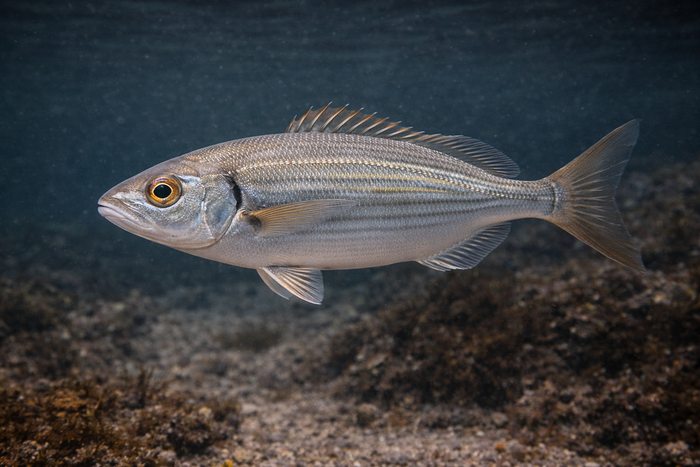
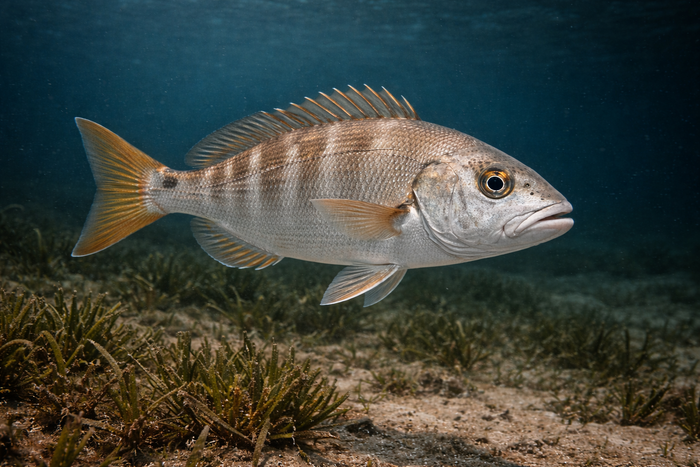
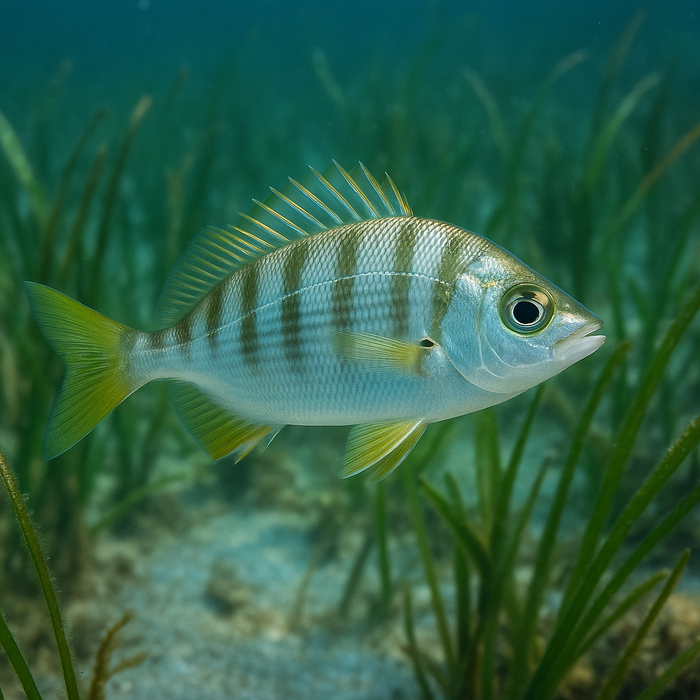
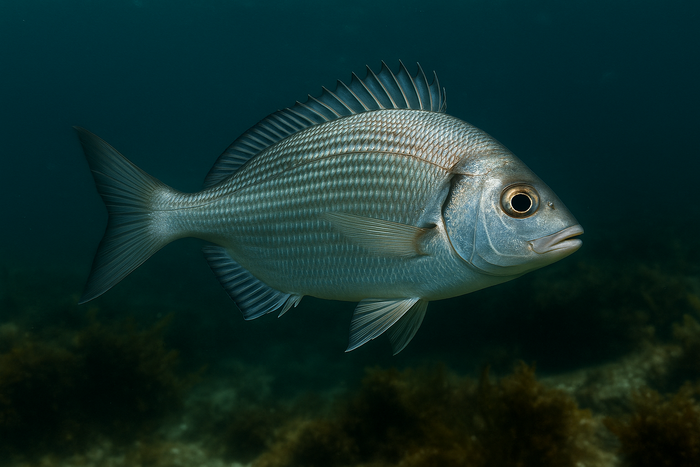
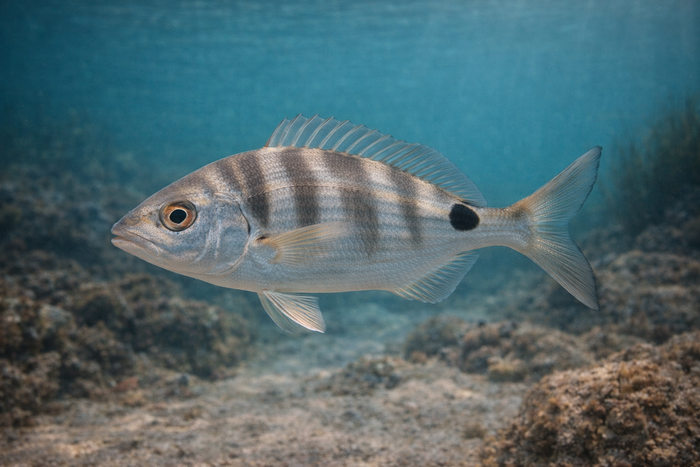
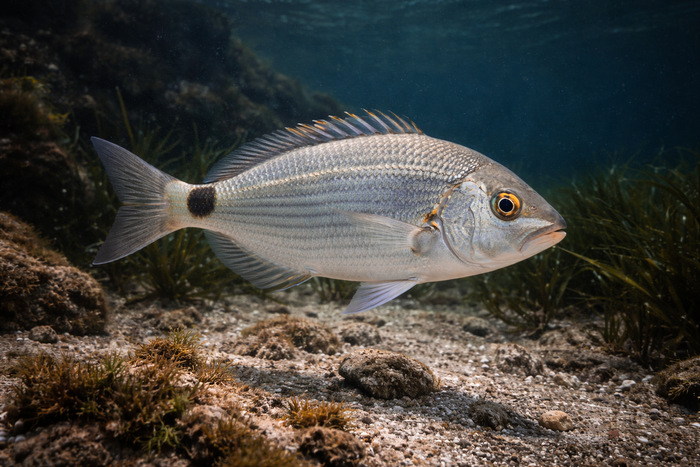
The Littlehead Porgy stands out primarily for its compact size paired with a robust, deep-bodied shape. Its name comes from the noticeably smaller head relative to other porgies, but don’t let that fool you—this fish is built for efficiency. The body is covered in silvery scales with a hint of blue and green iridescence, accented by faint vertical bars that provide excellent camouflage among reef structures.
One of the defining features is its powerful set of teeth. Unlike many reef fish, the Littlehead Porgy has strong molar-like teeth designed to crush hard-shelled prey such as crustaceans and mollusks. This dental adaptation allows it to exploit food sources that many other fish avoid, carving out a unique niche in the reef food web.
Habitat & Global Range
The Littlehead Porgy is a resident of the western Atlantic, with a range extending from the southeastern United States down through the Caribbean and into parts of the northern coast of South America. Its preferred Littlehead Porgy habitat includes shallow coastal waters, especially around coral reefs, rocky bottoms, and seagrass beds. These environments provide both shelter and abundant food.
This species thrives in depths ranging from just a few feet to around 100 feet, favoring areas where structure is plentiful. The complexity of coral reefs and rocky outcrops offers protection from predators and a buffet of benthic invertebrates. The Littlehead Porgy’s presence is often an indicator of healthy reef systems, as it depends on a balanced ecosystem to sustain its diet and breeding habits.
Behavior & Temperament
The Littlehead Porgy is a social fish, often found in small schools that patrol reef edges and sandy flats. It exhibits territorial behavior during spawning seasons, with males establishing and defending nesting sites. These fish are diurnal, active during daylight hours when they forage actively.
Despite its modest size, the Littlehead Porgy is known for being aggressive when threatened or cornered. It uses its strong jaws not only for feeding but also as a defense mechanism. Anglers prize this species for its spirited fight, making it a challenging catch on light tackle.
Feeding behavior is methodical and opportunistic. The Littlehead Porgy roots through sand and rubble to uncover hidden prey, using its teeth to crush shells and extract soft tissues. This diet includes crabs, shrimp, worms, and small mollusks, positioning the species as a key predator of benthic invertebrates.
Ecological Importance
The Littlehead Porgy plays a critical role in maintaining the balance of reef ecosystems. By preying on hard-shelled invertebrates, it helps control populations that could otherwise overgraze or disrupt coral and seagrass habitats. This predation supports the overall health and resilience of the reef environment.
Moreover, the Littlehead Porgy serves as prey for larger predatory fish, sharks, and marine mammals, linking lower and higher trophic levels. Its schooling behavior also contributes to nutrient cycling within reef systems, as their movements stir up sediments and redistribute organic material.
In essence, the Littlehead Porgy is a small but vital cog in the complex machinery of coastal marine ecosystems. Its presence signals a functioning reef habitat, and its ecological interactions help sustain the biodiversity that makes these environments so valuable.
Conservation & Environmental Pressures
While the Littlehead Porgy is not currently listed as endangered, it faces several environmental pressures that could impact its populations. Habitat degradation, particularly coral reef decline due to climate change, ocean acidification, and pollution, poses the most significant threat. Loss of reef structure means less shelter and fewer feeding opportunities.
Overfishing is another concern, especially in regions where the Littlehead Porgy is targeted by commercial and recreational fisheries. Although not a primary target species, it is often caught as bycatch or sought after for local consumption. Unsustainable fishing practices can reduce population densities, disrupting ecological balance.
Marine protected areas and sustainable fishing regulations are critical for preserving Littlehead Porgy habitat and populations. Monitoring reef health and enforcing conservation measures will help ensure this species continues to thrive in its natural environment.
The FishyAF Take
The Littlehead Porgy is a prime example of how even modest-sized fish can pack a punch in terms of ecological importance and angling appeal. It’s a species that demands respect—not just for its tenacity on the line but for its role in reef ecosystems that support countless other marine life forms.
For anglers, the Littlehead Porgy offers a rewarding challenge and a taste of the ocean’s complexity. For conservationists, it’s a reminder that protecting reef habitats benefits more than just the big, flashy species. The Littlehead Porgy’s story is one of resilience, adaptability, and quiet strength—a true underdog of the reef.
Understanding Littlehead Porgy facts and appreciating its habitat is essential for anyone serious about marine biology, fishing, or conservation. This fish may be little-headed, but it’s far from insignificant. It’s a bold, memorable player in the underwater world, and it deserves a spot in your fish knowledge arsenal.