Spottail Pinfish (Diplodus holbrookii): The Striped Rebel of Coastal Waters
The Spottail Pinfish, Diplodus holbrookii, is a striking marine species that commands attention with its bold patterns and confident presence. Known for its distinctive spotted tail and sharp stripes, this fish is more than just a pretty face in the saltwater crowd. It’s a resilient coastal dweller with a role that punches above its weight in the ecosystem. Whether you’re a seasoned angler, a marine enthusiast, or just curious about the ocean’s lesser-known players, the Spottail Pinfish offers a fascinating glimpse into the complexity of coastal marine life.
What Makes the Spottail Pinfish Unique?
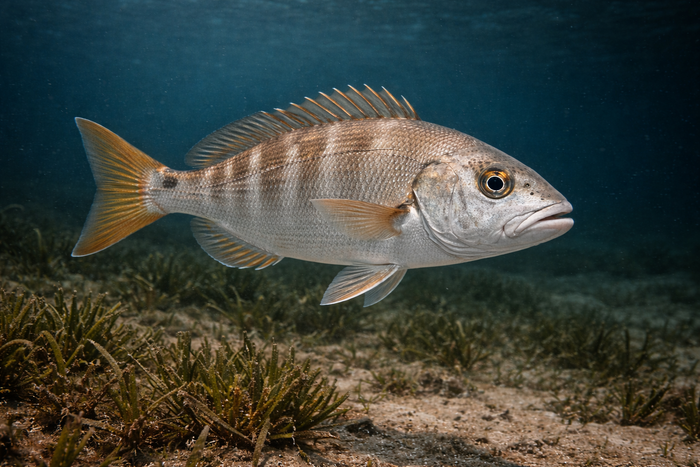
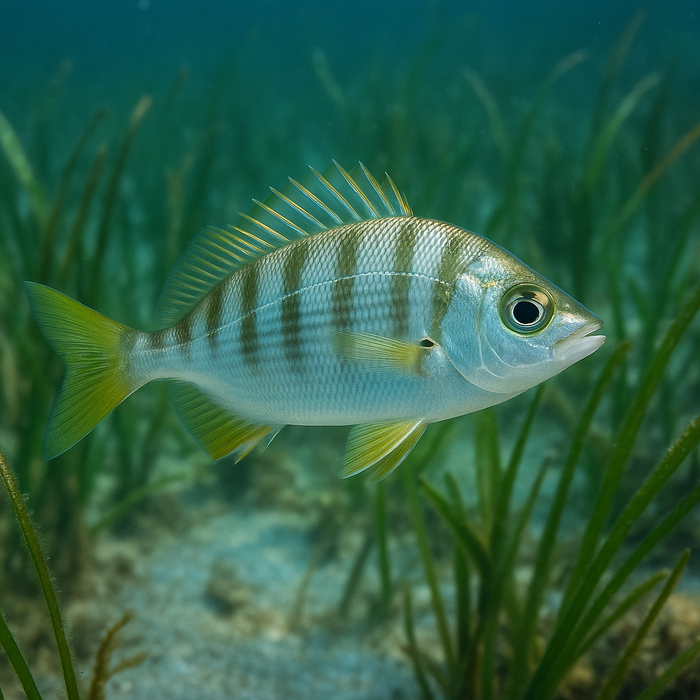
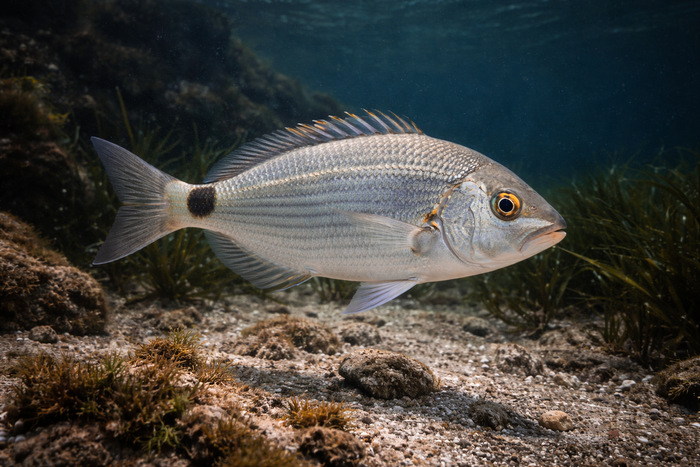
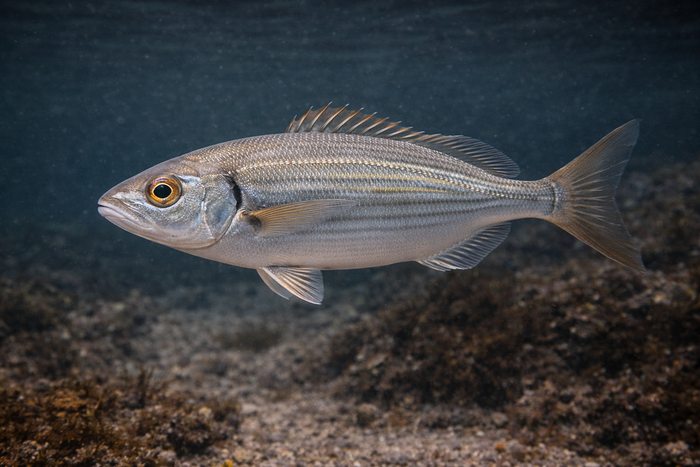
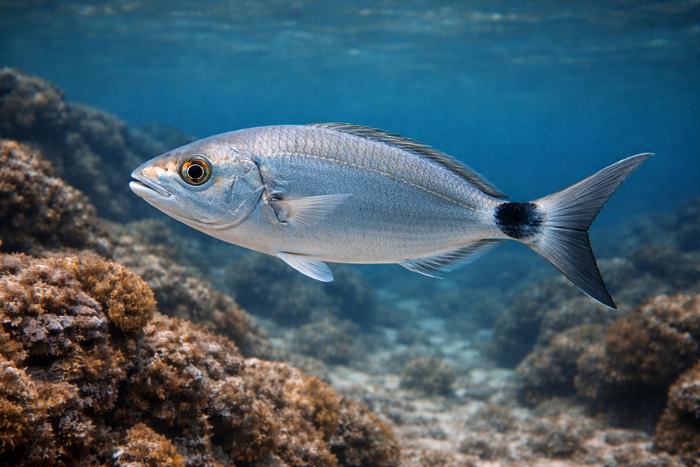
This species stands out primarily because of its unmistakable tail spot—a dark, prominent mark that contrasts sharply with its silvery body and vertical black bands. These markings aren’t just for show; they serve as a form of disruptive camouflage, confusing predators and competitors alike. Unlike many of its relatives, the Spottail Pinfish sports a robust, deep-bodied shape that hints at its aggressive foraging style. Its teeth are adapted for crushing hard-shelled prey, making it a versatile feeder in its environment.
Another unique trait is its social behavior. While many pinfish species tend to school tightly, the Spottail Pinfish often forms smaller, loosely organized groups. This behavior reflects its semi-territorial nature, balancing between cooperation and competition. Its boldness in defending feeding grounds sets it apart from more passive coastal fish.
Habitat & Global Range
Spottail Pinfish facts start with its preference for warm, shallow waters along the western Atlantic coast. Its habitat ranges from North Carolina down through the Gulf of Mexico and into parts of the Caribbean. This fish thrives in estuaries, seagrass beds, and sandy or muddy bottoms where it can forage efficiently.
Spottail Pinfish habitat is typically characterized by moderate currents and abundant cover. Seagrass beds are especially important, providing both food sources and protection from larger predators. Juveniles often use these areas as nurseries before venturing into slightly deeper waters. Their adaptability to various coastal environments, from brackish estuaries to nearshore reefs, makes them a resilient species in the face of changing conditions.
Behavior & Temperament
The Spottail Pinfish is no wallflower. It exhibits a confident, sometimes aggressive temperament, especially when it comes to feeding. It’s an opportunistic omnivore, consuming a diet that includes small crustaceans, mollusks, worms, and plant material. This dietary flexibility allows it to exploit a range of food sources, giving it an edge in competitive coastal ecosystems.
Its behavior is marked by a mix of schooling and territoriality. While it can be found in groups, individual fish will defend prime feeding spots, often engaging in quick, sharp displays to ward off rivals. This balance between social and solitary tendencies is a survival strategy that maximizes resource use without unnecessary conflict.
Spottail Pinfish are also known for their curious nature. They investigate disturbances in their environment, which sometimes brings them into contact with divers and anglers. This boldness can be a double-edged sword, making them easier targets but also a fascinating subject for observation.
Ecological Importance
The Spottail Pinfish plays a critical role in maintaining the health of coastal ecosystems. By feeding on a variety of invertebrates, it helps regulate populations that could otherwise become pests or disrupt the balance of the habitat. Its foraging behavior contributes to sediment turnover, which aids nutrient cycling in seagrass beds and estuarine environments.
Moreover, the Spottail Pinfish serves as prey for larger predators, including game fish and birds. This positions it as a vital link in the food web, transferring energy from lower trophic levels up to apex predators. Its presence indicates a healthy, functioning ecosystem where biodiversity thrives.
Conservation & Environmental Pressures
While the Spottail Pinfish is not currently listed as endangered or threatened, it faces environmental pressures common to many coastal species. Habitat degradation, especially the loss of seagrass beds and estuarine areas due to pollution, coastal development, and climate change, poses a significant risk. These habitats are crucial for feeding and breeding, and their decline directly impacts Spottail Pinfish populations.
Overfishing is less of a concern for this species compared to others, but bycatch and habitat disturbance from commercial activities can still affect local numbers. Monitoring Spottail Pinfish habitat quality is essential to ensure these fish continue to thrive.
The FishyAF Take
The Spottail Pinfish is a prime example of how a modest-sized fish can command ecological and scientific interest without the fanfare of larger game fish. Its bold markings and confident behavior make it memorable, but it’s its adaptability and ecological role that truly earn respect. For anglers, it’s a spirited catch that offers insight into the complexity of coastal ecosystems. For conservationists, it’s a reminder that protecting habitat diversity is key to preserving marine biodiversity.
Understanding Spottail Pinfish facts and habitat nuances isn’t just trivia; it’s part of a bigger picture in marine stewardship. This fish may not headline the sportfishing scene, but it’s a cornerstone species that deserves attention and protection. Keep an eye out for those distinctive tail spots next time you’re near the coast—they’re a sign of a resilient, fascinating fish quietly shaping its underwater world.