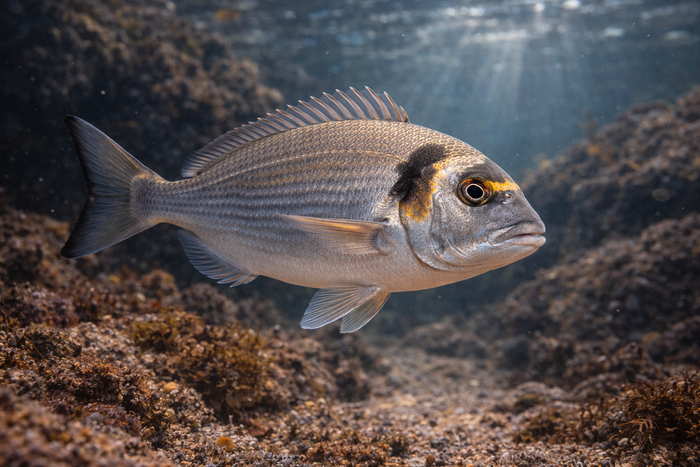
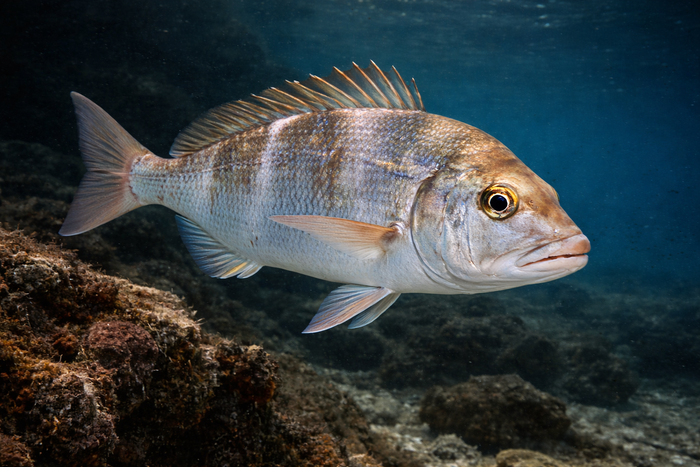
Common Pandora (Pagellus erythrinus): The Mediterranean’s Flashy Silver Showstopper
Meet the Common Pandora, a striking member of the seabream family that commands attention with its shimmering silver body and bold red fins. Known scientifically as Pagellus erythrinus, this fish is more than just a pretty face in the water. It’s a resilient, adaptable species that plays a significant role in coastal marine ecosystems. Whether you’re a seasoned angler, a marine biologist, or just someone curious about the ocean’s cast of characters, understanding the Common Pandora will add a sharp edge to your fish knowledge.
What Makes the Common Pandora Unique?
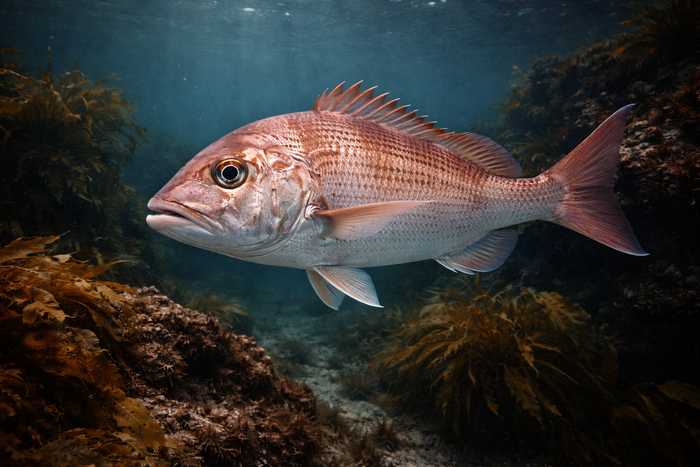
The Common Pandora stands out with its vibrant coloration—a sleek silver body contrasted by vivid red fins, especially the tail and pectoral fins. This combination isn’t just for show; it’s a visual signature that makes the species easy to identify among other seabreams. Unlike many of its relatives, the Common Pandora has a slightly more elongated body and a distinctive, slightly protruding lower jaw that hints at its feeding habits.
Its teeth are designed for a varied diet, allowing it to crush shells and snatch prey with equal efficiency. This versatility in feeding is a key trait that sets the Common Pandora apart. It’s not a picky eater, which contributes to its success across diverse habitats. Another unique aspect is its reproductive strategy; the Common Pandora is a protogynous hermaphrodite, meaning individuals start life as females and some later transition to males. This biological twist ensures a flexible population structure that can adapt to environmental pressures and fishing impacts.
Habitat & Global Range
The Common Pandora is a true Mediterranean native but doesn’t limit itself to just one sea. Its habitat spans the eastern Atlantic Ocean from Norway down to Senegal, including the Canary Islands, and it’s a staple along the coasts of the Mediterranean and the Black Sea. This fish prefers rocky bottoms, seagrass beds, and sandy substrates, typically found from shallow coastal waters down to depths of around 150 meters.
Common Pandora habitat is characterized by temperate to warm waters, where it can exploit a variety of ecological niches. It thrives in areas with complex underwater structures that provide shelter and abundant food sources. This adaptability to different substrates and depths makes the Common Pandora a resilient species capable of withstanding environmental fluctuations better than some more specialized fish.
Behavior & Temperament
Common Pandora behavior is a mix of cautious and opportunistic. It tends to be a solitary or small-group dweller, avoiding large schools but not shying away from company when food is plentiful. It’s a benthic feeder, cruising near the bottom to hunt crustaceans, mollusks, and small fish. Its feeding style is methodical but aggressive when the opportunity arises, using its strong jaws to crack open hard shells.
This fish is not known for being territorial but will defend its immediate feeding grounds if challenged. Its temperament is generally calm, making it less prone to panic and sudden flight compared to other seabream species. This steadiness can be an advantage for anglers, as the Common Pandora often holds its ground rather than darting away at the first sign of trouble.
Ecological Importance
The Common Pandora plays a crucial role in maintaining the balance of coastal ecosystems. By preying on a variety of invertebrates and small fish, it helps regulate populations that could otherwise explode and disrupt the local food web. Its feeding habits contribute to the health of seagrass beds and rocky reefs by controlling species that might damage these habitats.
Moreover, the Common Pandora serves as prey for larger predatory fish, seabirds, and marine mammals, making it an integral link in the food chain. Its presence indicates a healthy, functioning ecosystem, as it requires clean, oxygen-rich waters and diverse habitats to thrive. Understanding Common Pandora facts is essential for marine conservationists aiming to preserve Mediterranean biodiversity.
Conservation & Environmental Pressures
Despite its adaptability, the Common Pandora faces several environmental pressures. Overfishing is a significant threat, especially in the Mediterranean, where it is a popular target for commercial and recreational fisheries. Its relatively slow growth and late maturity make it vulnerable to population declines if fishing is not managed sustainably.
Habitat degradation also poses risks. Coastal development, pollution, and destructive fishing practices like bottom trawling damage the rocky and seagrass habitats the Common Pandora depends on. Climate change adds another layer of complexity, with warming waters potentially shifting its range and affecting reproductive cycles.
Conservation efforts focus on regulating catch limits, protecting critical habitats, and monitoring population trends. Marine protected areas that include rocky reefs and seagrass beds offer refuge for the Common Pandora and other species, helping to maintain biodiversity and ecosystem resilience.
The FishyAF Take
The Common Pandora is a standout species that deserves more attention than it usually gets. It’s not just another silvery fish in the sea; it’s a resilient, adaptable player with a fascinating biology and a vital ecological role. For anglers, it offers a rewarding challenge thanks to its bold behavior and strong fight. For conservationists, it’s a bellwether species indicating the health of Mediterranean coastal waters.
If you want to dive deeper into Common Pandora facts or explore its habitat, focus on the rocky reefs and seagrass beds where it thrives. Protecting these environments ensures the Common Pandora continues to flash its signature red fins for generations to come. In the grand scheme of marine life, the Common Pandora is proof that sometimes the flashiest fish are also the most ecologically important.