Tidepool Sculpin (Oligocottus maculosus): The Tiny Titan of Rocky Shores That Owns the Intertidal Zone
The Tidepool Sculpin is a small but scrappy fish that commands attention in the chaotic world of rocky shorelines. Known scientifically as Oligocottus maculosus, this species thrives where most fish would drown or fry—right in the splash zone of tidepools. It’s a master of survival, blending into its rugged environment with a mottled body and a fearless attitude. If you think small means insignificant, the Tidepool Sculpin is here to rewrite that narrative.
What Makes the Tidepool Sculpin Unique?
Forget flashy scales or neon colors. The Tidepool Sculpin’s claim to fame is its adaptability and resilience. This fish can withstand drastic changes in temperature, salinity, and oxygen levels that would send most marine creatures running for deeper water. It’s built for life in the intertidal zone, where water levels rise and fall daily, and conditions swing wildly.
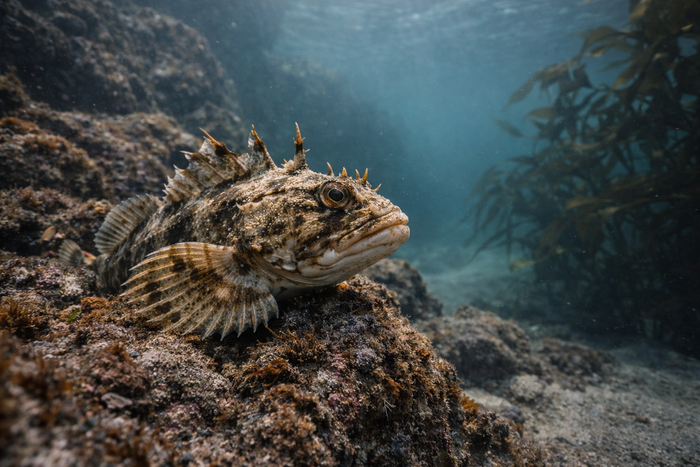
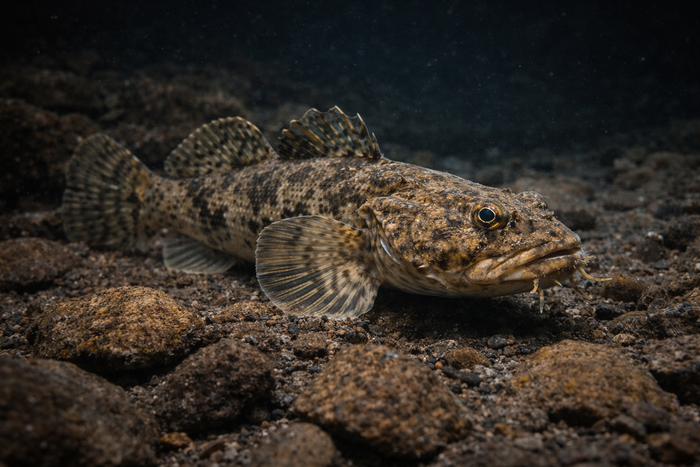
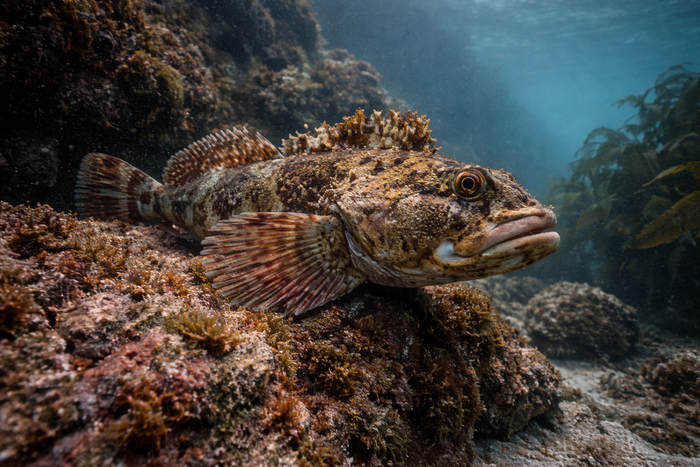
Its body is squat and spiny, covered in mottled patterns that provide excellent camouflage against the rocky substrate. Unlike many fish, the Tidepool Sculpin can breathe air when necessary, allowing it to survive out of water during low tides. It’s also equipped with strong pectoral fins that act like little legs, helping it crawl over rocks and cling to surfaces in turbulent water.
This fish’s boldness is another standout trait. It’s not shy about defending its territory or darting out to snatch prey. Its diet is opportunistic, ranging from small crustaceans to insect larvae, making it a versatile predator in a tough environment.
Habitat & Global Range
The Tidepool Sculpin calls the northeastern Pacific coast home, stretching from Alaska down through California. Its preferred real estate is the intertidal zone of rocky shorelines—those jagged, wave-battered areas where tidepools form. These pools create microhabitats that fluctuate dramatically throughout the day, and the Tidepool Sculpin thrives in these ever-changing conditions.
Tidepool Sculpin habitat is characterized by shallow pools filled with seawater during high tide and isolated pockets of water during low tide. These pools can heat up under the sun or become oxygen-poor, yet the Tidepool Sculpin navigates these challenges with ease. It’s a specialist in these niche environments, rarely venturing far into open water.
Behavior & Temperament
This fish is a scrappy survivor with a personality to match. The Tidepool Sculpin is territorial and aggressive when it comes to defending its patch of tidepool real estate. It uses its spiny fins as weapons and its quick reflexes to outmaneuver competitors and predators alike.
Its hunting style is ambush-based. It lies in wait, blending into the rocky background, then strikes swiftly at unsuspecting prey. Its diet includes amphipods, small crabs, and various larvae—basically whatever fits in its mouth and moves within reach.
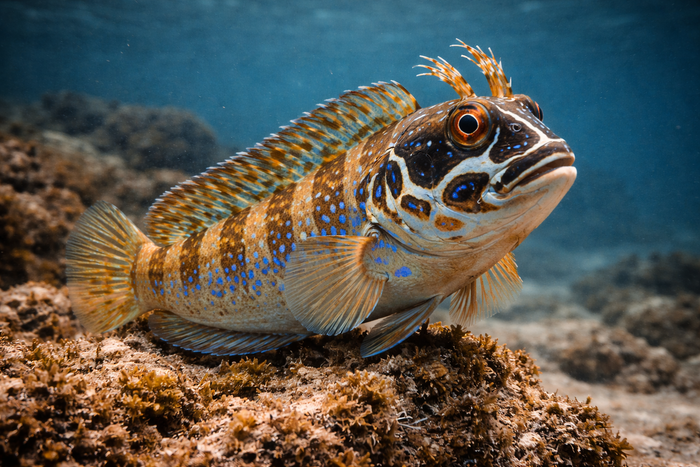
Socially, the Tidepool Sculpin is mostly solitary, except during breeding season when males become more conspicuous, guarding nests and fanning eggs to keep them oxygenated. This parental investment is unusual for many small fish and highlights the species’ commitment to survival.
Ecological Importance
Don’t underestimate the Tidepool Sculpin’s role in its ecosystem. It’s a crucial mid-level predator in the intertidal food web, controlling populations of small invertebrates that could otherwise explode and disrupt the delicate balance of tidepool communities.
At the same time, it serves as prey for larger fish, birds, and marine mammals. Its presence indicates a healthy, functioning intertidal ecosystem. Because it tolerates harsh conditions, the Tidepool Sculpin can also act as a bioindicator species, signaling changes in environmental quality or climate impacts.
Conservation & Environmental Pressures
While the Tidepool Sculpin isn’t currently listed as endangered, it faces threats from habitat degradation and pollution. Coastal development, oil spills, and runoff can alter the fragile chemistry of tidepools, making them less hospitable.
Climate change poses a more insidious threat. Rising sea temperatures and ocean acidification can disrupt the delicate balance of intertidal zones, potentially pushing the Tidepool Sculpin beyond its tolerance limits. Increased storm activity and sea-level rise may also physically alter or eliminate tidepool habitats.
Conservation efforts focused on protecting rocky shorelines and maintaining water quality are essential to preserving the Tidepool Sculpin’s habitat. Monitoring populations can provide early warnings of ecosystem stress.
The FishyAF Take
The Tidepool Sculpin is a masterclass in survival against the odds. It’s not flashy or massive, but it’s a powerhouse of adaptation and resilience. For anyone fascinated by the gritty, no-nonsense side of marine life, this fish is a standout. Its ability to thrive where others falter makes it a symbol of toughness in the intertidal world.
If you’re exploring tidepools along the Pacific coast, keep an eye out for this spiny little warrior. It’s a reminder that even the smallest players can dominate their turf with the right tools and attitude. Tidepool Sculpin facts and habitat details underscore just how specialized and fascinating this fish really is. It’s a species that demands respect, not just for what it is, but for how it lives.