Atlantic Cod (Gadus morhua): The North Atlantic’s Iconic Cold-Water Predator
The Atlantic Cod is more than just a fish on your dinner plate. Gadus morhua has shaped economies, cultures, and ecosystems for centuries. This species is a cornerstone of North Atlantic marine life, known for its resilience and adaptability. Understanding the Atlantic Cod means diving into a story of survival, ecological balance, and human impact. If you want to grasp the true nature of cold-water fisheries, start here.
What Makes the Atlantic Cod Unique?
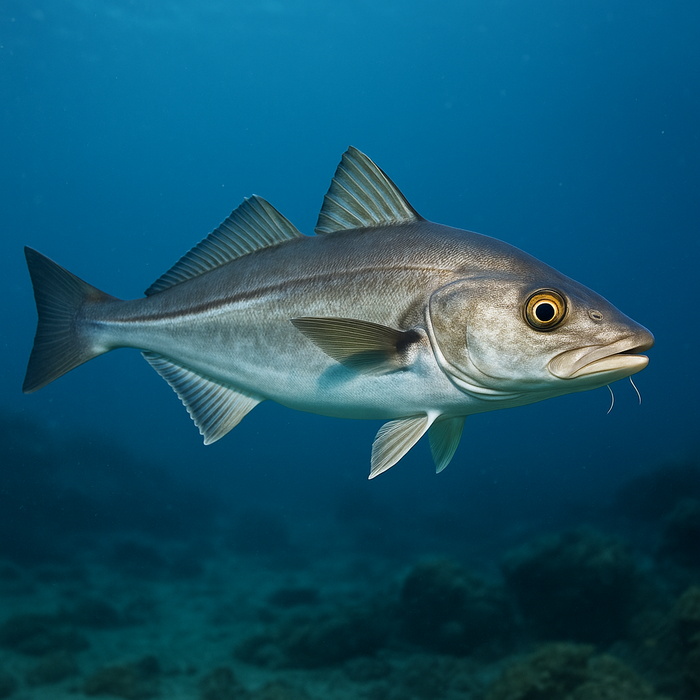
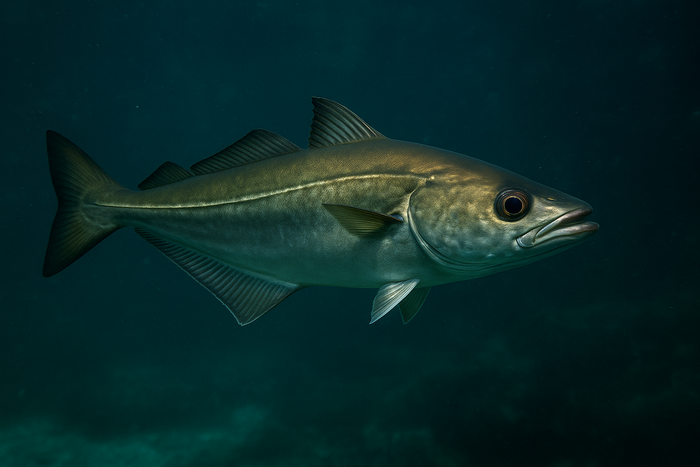
Atlantic Cod stands out with its distinctive barbel—a small, whisker-like appendage on its chin—that acts as a sensory tool to detect prey in murky waters. Its body is robust and streamlined, built for cruising the continental shelves and deep waters. Unlike many fish, cod have a three-part dorsal fin and a unique swim bladder that helps them maintain buoyancy at varying depths.
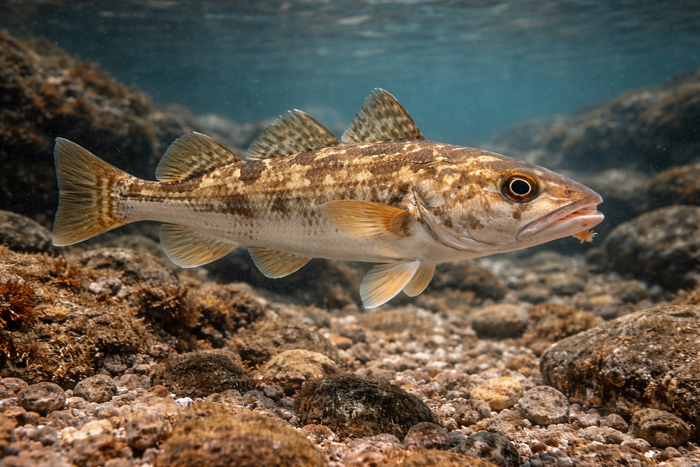
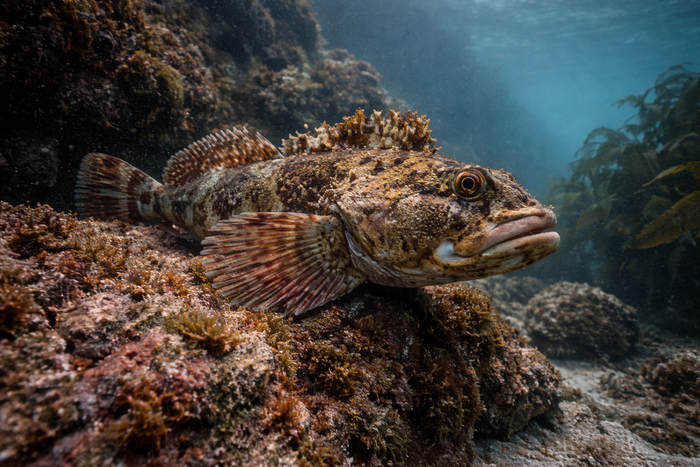
This species is a master of camouflage, sporting a mottled greenish-brown color that blends seamlessly with rocky and sandy seabeds. Atlantic Cod are opportunistic feeders, with a diet ranging from smaller fish and crustaceans to mollusks. Their ability to switch prey based on availability is a key survival trait.
Habitat & Global Range
Atlantic Cod habitat spans the cold, temperate waters of the North Atlantic Ocean. They are found from the eastern coast of North America, including the Gulf of Maine and Canadian Atlantic provinces, across to the European coasts of Norway, Iceland, and the British Isles. They prefer continental shelf areas with depths ranging from shallow coastal waters to about 300 meters, though they can dive deeper.
These fish thrive in water temperatures between 2 and 10 degrees Celsius. Seasonal migrations are common, with cod moving to spawning grounds in spring and summer and retreating to deeper, colder waters during winter. The Atlantic Cod habitat is characterized by a mix of rocky substrates, gravel, and sandy bottoms, providing ample hunting grounds and shelter.
Behavior & Temperament
Atlantic Cod are generally solitary hunters but can form loose aggregations, especially during spawning seasons. They are not aggressive but are efficient predators, using their barbel to sense prey buried in sediment. Cod exhibit a curious nature, often investigating unfamiliar objects in their environment.
Their behavior changes with the seasons. During spawning, males become more territorial and competitive, engaging in displays and vocalizations to attract females. Outside of breeding, they maintain a low profile, conserving energy for hunting and growth.
Cod are slow growers and late maturers, which makes their populations vulnerable to overfishing. Their life cycle is tightly linked to environmental cues like temperature and daylight, which influence spawning success and juvenile survival.
Ecological Importance
Atlantic Cod play a pivotal role in North Atlantic ecosystems. As mid-level predators, they regulate populations of smaller fish and invertebrates, maintaining a balanced food web. Their predation helps prevent overpopulation of species like capelin and herring, which in turn affects plankton dynamics and nutrient cycling.
Cod themselves are prey for larger predators such as seals, sharks, and even orcas. This dual role as predator and prey makes them a keystone species. Their presence or absence can trigger cascading effects throughout the marine environment, influencing biodiversity and ecosystem health.
The commercial importance of Atlantic Cod also ties into ecological balance. Historically, cod fisheries supported coastal communities and shaped marine resource management. Sustainable cod populations are essential for preserving the integrity of North Atlantic marine habitats.
Conservation & Environmental Pressures
The Atlantic Cod story is a cautionary tale of human impact. Overfishing in the 20th century decimated many cod stocks, particularly off the coast of Newfoundland, leading to one of the most infamous fishery collapses in history. Despite moratoriums and recovery plans, some populations remain vulnerable.
Environmental pressures compound the problem. Climate change is shifting Atlantic Cod habitat northward and into deeper waters as ocean temperatures rise. This disrupts spawning cycles and alters prey availability. Pollution and habitat degradation from coastal development also threaten juvenile nursery areas.
Modern fisheries management employs quotas, gear restrictions, and closed seasons to protect cod stocks. However, recovery is slow due to the species’ life history traits and ongoing environmental changes. The Atlantic Cod remains a symbol of the need for responsible stewardship of marine resources.
The FishyAF Take
Atlantic Cod is not just a fish; it’s a living archive of marine history and human interaction with the ocean. Its resilience is impressive, but it’s no superhero immune to the consequences of unchecked exploitation and environmental shifts. If you want to understand the complexities of marine conservation, Atlantic Cod facts offer a perfect case study.
This species demands respect—not just for its ecological role but for the lessons it teaches about balance, adaptation, and the limits of natural systems. The Atlantic Cod habitat is changing, and so must our approach to managing this iconic fish. FishyAF says: pay attention, support sustainable fisheries, and remember that the Atlantic Cod’s fate is a barometer for the health of the North Atlantic itself.