Pollack (Pollachius virens): The Ocean’s Sleek Predator with a Taste for Adventure
Pollack, scientifically known as Pollachius virens, is a staple of the North Atlantic’s underwater world. This fish is often overshadowed by its more famous cousins like cod and haddock, but it deserves a spotlight of its own. With a streamlined body built for speed and a diet that keeps the marine food web humming, the pollack is a fascinating subject for anglers, chefs, and marine biologists alike. This guide dives deep into pollack facts, exploring what makes this species stand out, where it thrives, and why it matters in the grand scheme of ocean life.
What Makes the Pollack Unique?
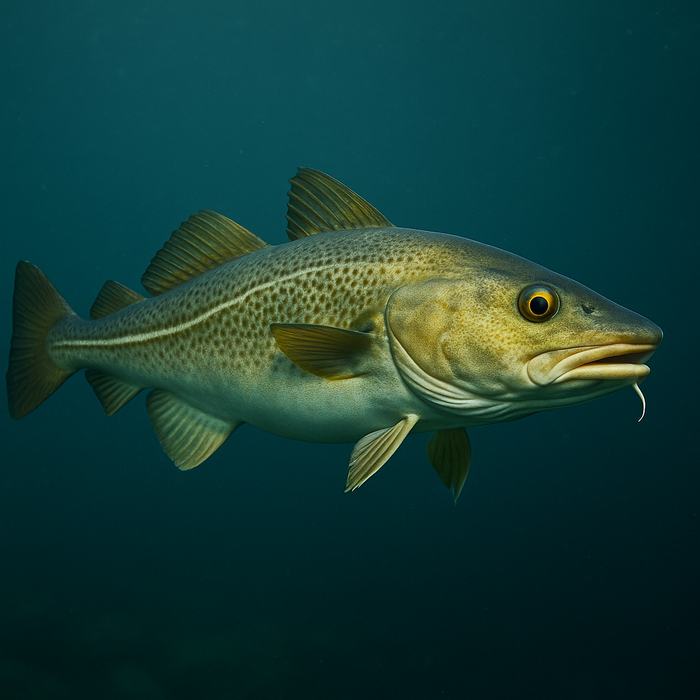
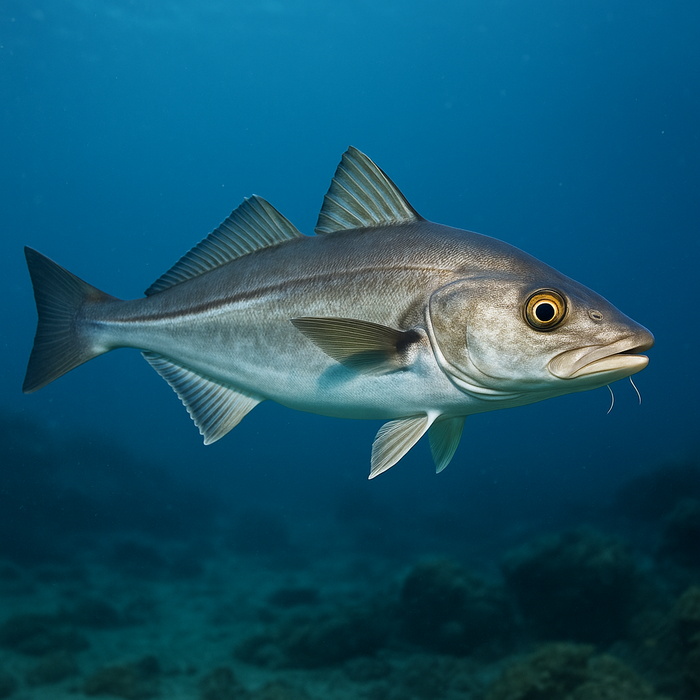
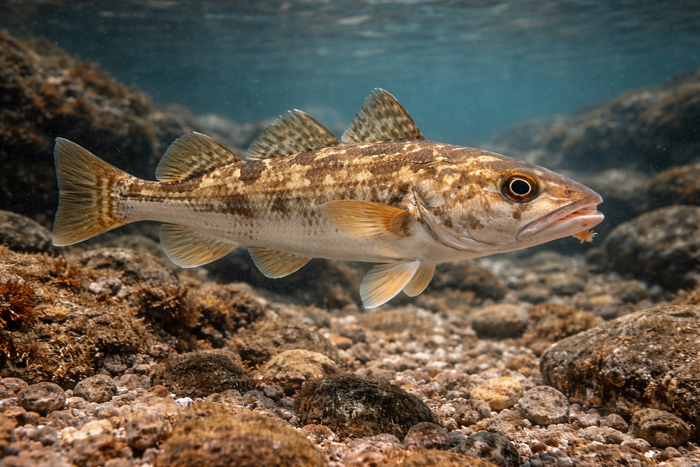
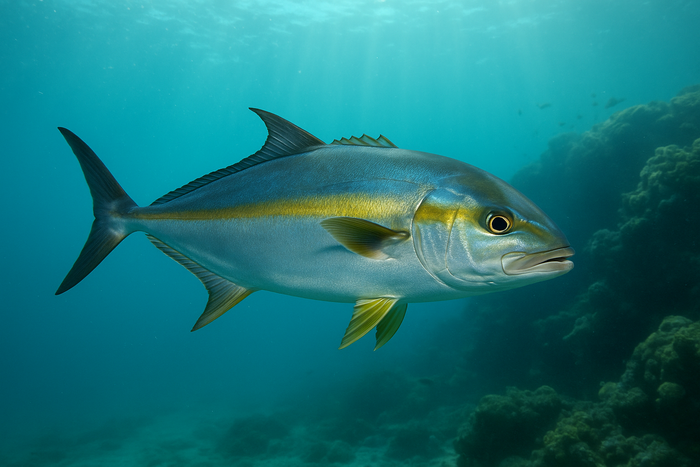
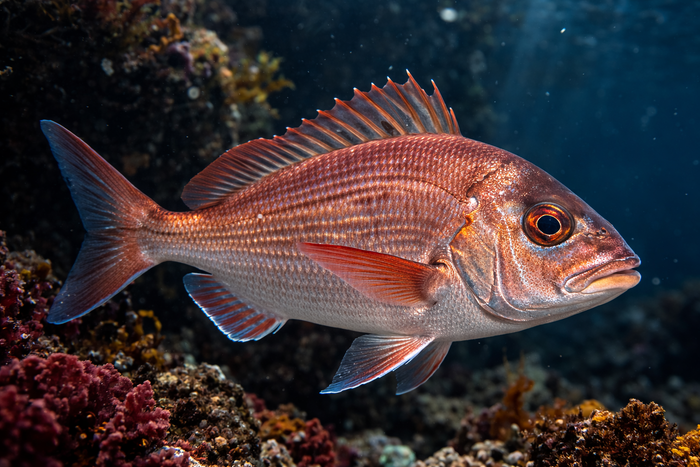
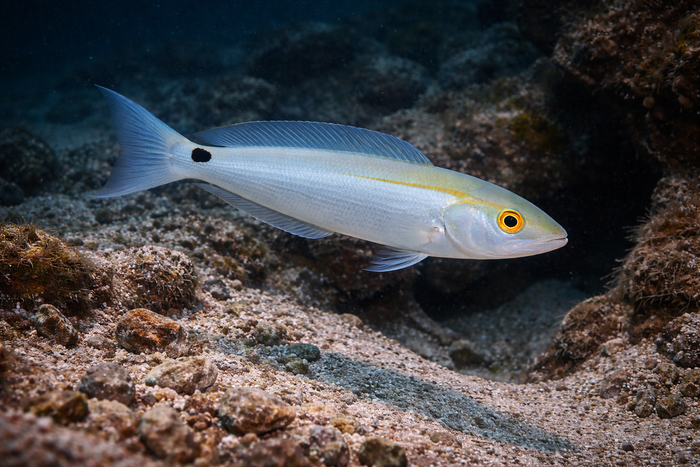
Pollack is a member of the cod family but brings its own flair to the table. Its sleek, torpedo-shaped body is designed for quick bursts of speed, making it an efficient predator. Unlike some of its relatives, pollack sports a darker, olive-green to brownish back with silvery sides, and a distinctive light lateral line running along its body. This coloration provides excellent camouflage against rocky seabeds and kelp forests.
One standout feature is its large mouth packed with sharp teeth, perfect for grabbing slippery prey. Pollack is a versatile feeder, preying on smaller fish, crustaceans, and cephalopods. This adaptability in diet is a key reason for its success in various habitats. It’s also known for its rapid growth rate and relatively long lifespan, which can reach up to 15 years under optimal conditions.
Habitat & Global Range
Pollack habitat spans the cooler waters of the North Atlantic, from the eastern coasts of North America to the western shores of Europe and the British Isles. They are commonly found from shallow coastal waters down to depths of around 200 meters, often favoring rocky reefs, kelp beds, and underwater structures that provide cover and hunting grounds.
Their preference for temperate waters means they thrive where the ocean is rich in nutrients, supporting a diverse ecosystem. Pollack are known to migrate seasonally, moving closer to shore during the warmer months to spawn and then retreating to deeper waters as temperatures drop. This migratory behavior influences their availability to commercial and recreational fisheries, making pollack a seasonal prize for anglers.
Behavior & Temperament
Pollack are active, agile hunters. They don’t linger in one spot for long, constantly patrolling their territory in search of food. Their behavior is a mix of solitary and small group dynamics. Juveniles often form schools, which provide safety in numbers, while adults tend to be more solitary or found in loose aggregations.
They are opportunistic feeders, striking quickly at prey with precision. Pollack’s hunting style is a blend of stealth and speed, using the element of surprise to their advantage. Despite their predatory nature, pollack are not aggressive toward humans and are more likely to flee than confront.
Ecological Importance
Pollack play a crucial role in maintaining the balance of marine ecosystems. As mid-level predators, they help regulate populations of smaller fish and invertebrates, preventing any one species from dominating the habitat. This balance supports biodiversity and the health of the underwater environment.
Their presence also supports larger predators, including seals and larger fish species, which rely on pollack as a food source. By occupying this middle rung in the food chain, pollack contribute to the stability and resilience of their ecosystems.
Conservation & Environmental Pressures
Despite their abundance, pollack face several environmental pressures. Overfishing is a significant concern, particularly in regions where commercial demand is high. Unsustainable fishing practices can deplete local populations, disrupting the ecological balance.
Pollack are also vulnerable to habitat degradation. Coastal development, pollution, and climate change threaten the rocky reefs and kelp forests they depend on. Rising ocean temperatures can alter their distribution and spawning cycles, with unpredictable consequences for their populations.
Efforts to manage pollack fisheries sustainably are underway in many regions, emphasizing catch limits, seasonal closures, and habitat protection. These measures aim to ensure pollack remain a viable species for future generations, both ecologically and economically.
The FishyAF Take
Pollack is a species that deserves more respect than it often gets. It’s a smart, adaptable predator that plays a vital role in the North Atlantic’s marine ecosystems. Whether you’re an angler chasing a spirited fight or a conservationist tracking ocean health, understanding pollack facts and pollack habitat is key.
This fish is a reminder that the ocean’s complexity goes beyond the headline species. Pollack’s resilience and ecological importance make it a bellwether for the health of temperate marine environments. Treat it well, fish it wisely, and you’ll have a reliable companion in the waters for years to come.