Almaco Jack (Seriola rivoliana): The Ocean’s Sleek Powerhouse You Didn’t See Coming
The Almaco Jack is no wallflower in the marine world. This sleek, torpedo-shaped predator commands attention with its bold presence and impressive agility. Known for its striking coloration and formidable fighting spirit, the Almaco Jack is a favorite among anglers and marine enthusiasts alike. But beyond the thrill of the catch, this species plays a vital role in ocean ecosystems and offers a fascinating glimpse into the complexity of pelagic fish life.
What Makes the Almaco Jack Unique?
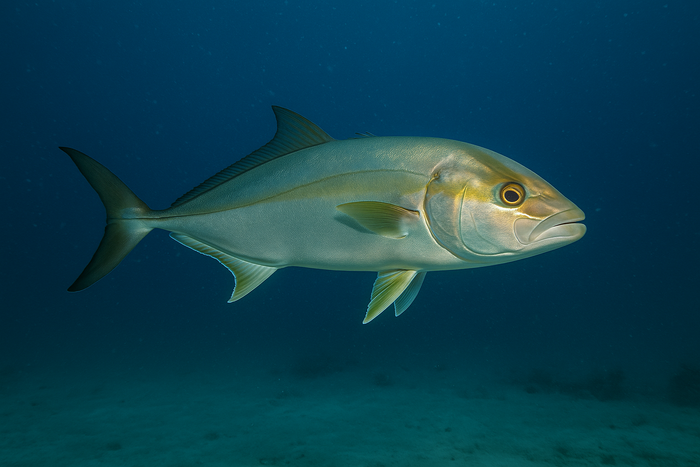
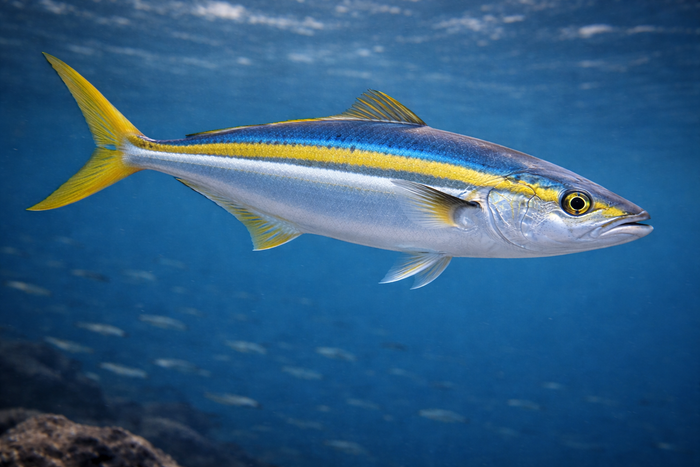
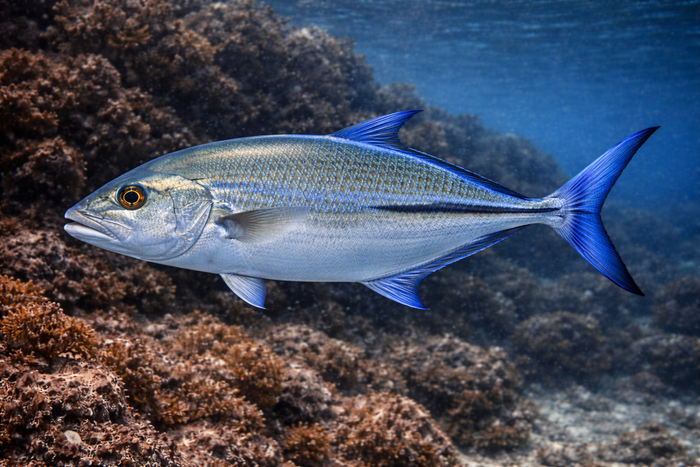
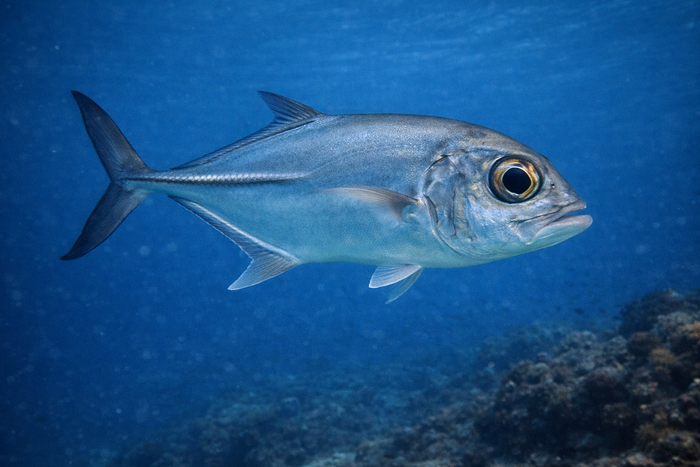
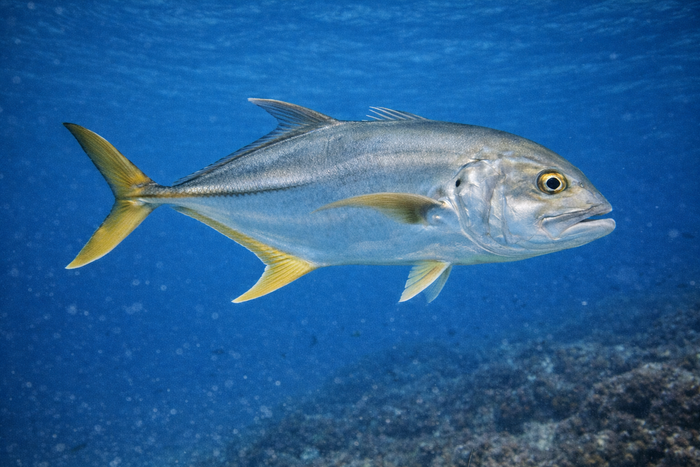
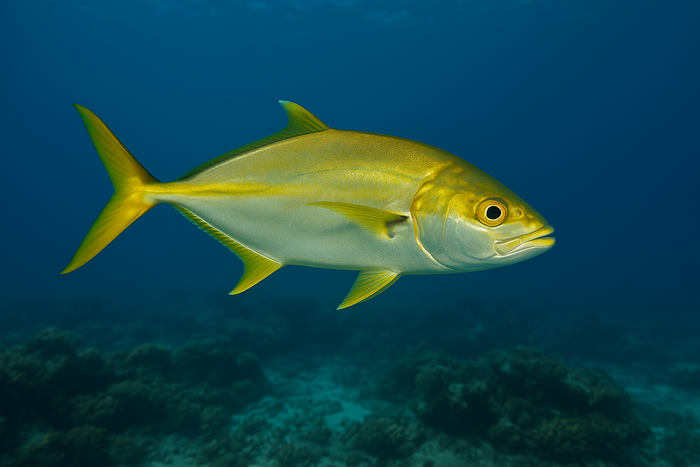
The Almaco Jack stands out with its distinctive body shape and color palette. Unlike many jacks, it sports a more elongated, compressed body with a blunt head and a slightly forked tail that screams speed and endurance. Its coloration is a subtle gradient from dark olive-green or bluish on the back to silvery sides, often accented by a yellowish tint on the fins. This isn’t just for show; the coloration provides camouflage in open water, blending with the shifting light of the ocean.
One of the most intriguing Almaco Jack facts is its growth pattern and longevity. These fish can live over 20 years, growing steadily and reaching impressive sizes that make them formidable predators. Their diet is diverse, including smaller fish, squid, and crustaceans, showcasing their adaptability. Their strong, muscular build and sharp teeth make them efficient hunters, capable of quick bursts of speed to ambush prey.
Habitat & Global Range
The Almaco Jack’s habitat spans the subtropical and tropical waters of the Atlantic, Pacific, and Indian Oceans. They prefer offshore reefs, seamounts, and deepwater structures where currents bring a steady supply of food. This species is often found at depths ranging from 20 to 200 meters, thriving in both pelagic zones and near reef drop-offs.
Almaco Jack habitat is characterized by clear, warm waters with plenty of vertical relief—think underwater mountains and ledges. These environments provide ample hunting grounds and shelter from larger predators. Their global range includes the Caribbean Sea, the Gulf of Mexico, the Hawaiian Islands, and parts of the Indo-Pacific, making them a cosmopolitan species with a taste for diverse marine real estate.
Behavior & Temperament
Almaco Jacks are known for their curious yet cautious nature. They often patrol alone or in small groups, moving with purpose and precision. Their behavior is a blend of stealth and aggression, striking a balance between avoiding threats and asserting dominance over their territory.
These fish are fast swimmers, capable of sustained speeds that help them chase down prey or evade danger. They exhibit a high degree of intelligence, often seen investigating divers or fishing gear with a mix of wariness and interest. Their temperament can shift quickly from calm cruising to explosive bursts of energy, especially when provoked or during feeding.
Ecological Importance
In the marine food web, the Almaco Jack plays a crucial role as a mid-level predator. By preying on smaller fish and invertebrates, they help maintain the balance of reef and pelagic ecosystems. Their presence influences the population dynamics of their prey species, which in turn affects the health of coral reefs and open ocean habitats.
Moreover, Almaco Jacks serve as prey for larger predators like sharks and billfish, linking multiple trophic levels. Their migratory patterns contribute to nutrient cycling across different marine zones, supporting biodiversity on a broader scale. Understanding Almaco Jack facts is essential for grasping the interconnectedness of ocean ecosystems and the subtle checks and balances that keep them thriving.
Conservation & Environmental Pressures
Despite their robust nature, Almaco Jacks face several environmental pressures. Overfishing, particularly in popular sport fishing regions, has put localized populations under strain. Their slow growth and late maturity mean that heavy fishing pressure can quickly reduce breeding stocks, threatening long-term sustainability.
Habitat degradation is another concern. Coral reef damage, pollution, and climate change impact the underwater structures Almaco Jacks depend on for hunting and shelter. Ocean warming and acidification alter prey availability and can disrupt their migratory and reproductive behaviors.
Conservation efforts focus on sustainable fishing practices, marine protected areas, and habitat restoration. Monitoring Almaco Jack populations and their habitats is critical to ensuring these powerful fish continue to thrive in the wild.
The FishyAF Take
The Almaco Jack is a prime example of oceanic resilience and raw power wrapped in a sleek package. It’s a species that demands respect—whether you’re chasing it with a rod or studying its role in the ecosystem. Almaco Jack facts reveal a fish that’s more than just a trophy; it’s a vital cog in the marine machine.
If you’re serious about understanding offshore fisheries or the dynamics of reef-associated predators, the Almaco Jack is a species you can’t ignore. Its combination of speed, strength, and ecological importance makes it a standout player in the subtropical seas. Keep an eye on Almaco Jack habitat changes and population trends—they’re a bellwether for the health of the broader marine environment.
In short, the Almaco Jack isn’t just another fish in the sea. It’s a bold, memorable force that embodies the wild, untamed spirit of the ocean.