Jack Crevalle (Caranx hippos): The Ocean’s Relentless Speedster with a Mean Attitude
The Jack Crevalle is not your average coastal fish. Known for its aggressive strikes and relentless energy, this species commands respect from anglers and marine predators alike. It’s a powerhouse of the Carangidae family, boasting a sleek, muscular frame built for speed and endurance. Whether you’re chasing big game or just curious about one of the ocean’s most formidable hunters, understanding the Jack Crevalle is essential. This guide dives deep into Jack Crevalle facts, exploring what sets this fish apart and why it’s a staple in both sport fishing and marine ecosystems.
What Makes the Jack Crevalle Unique?
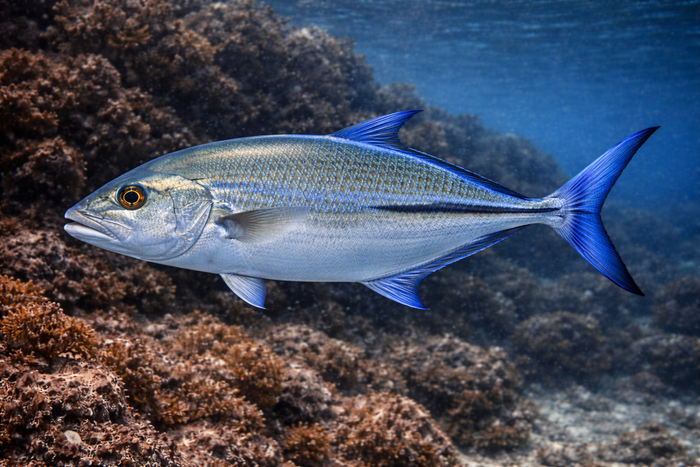
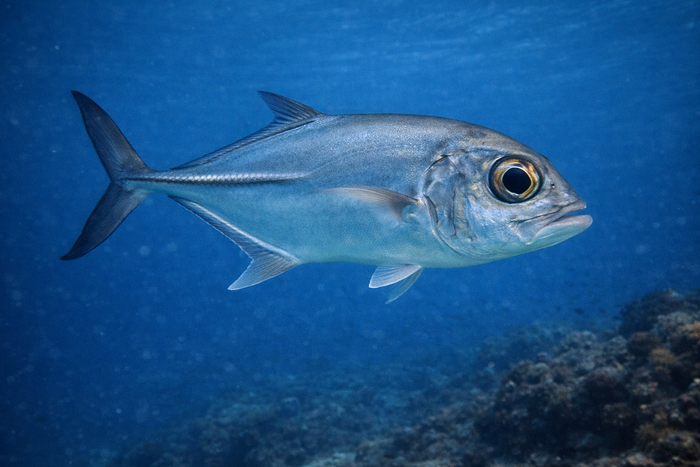
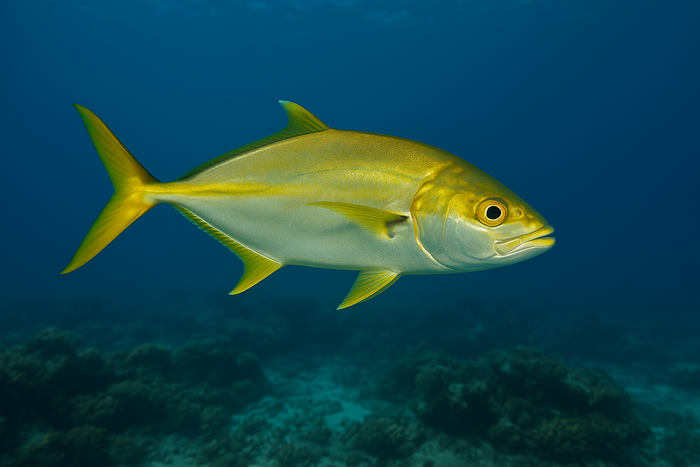
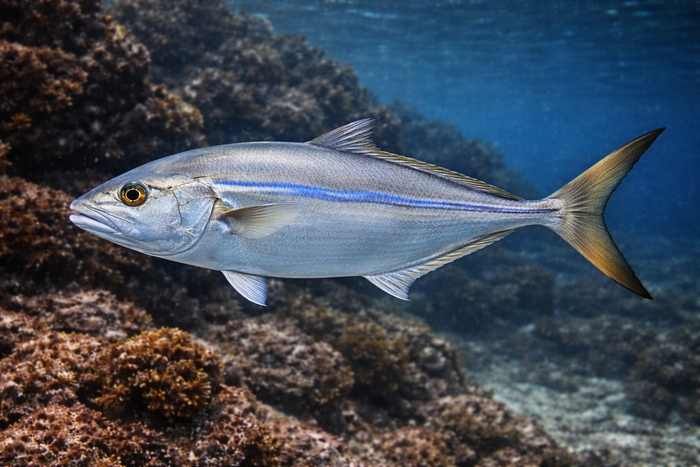
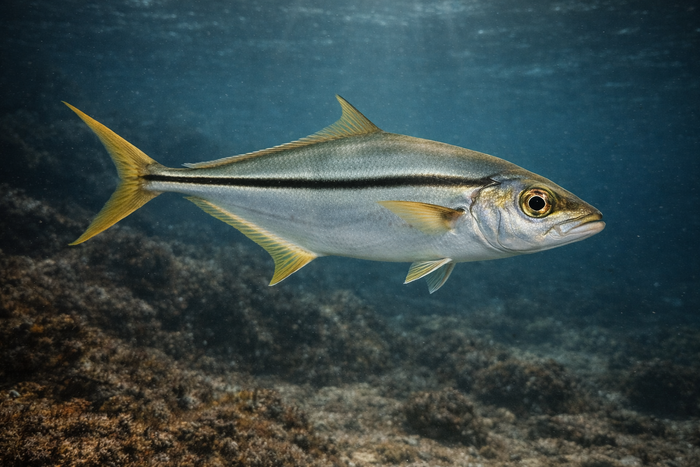
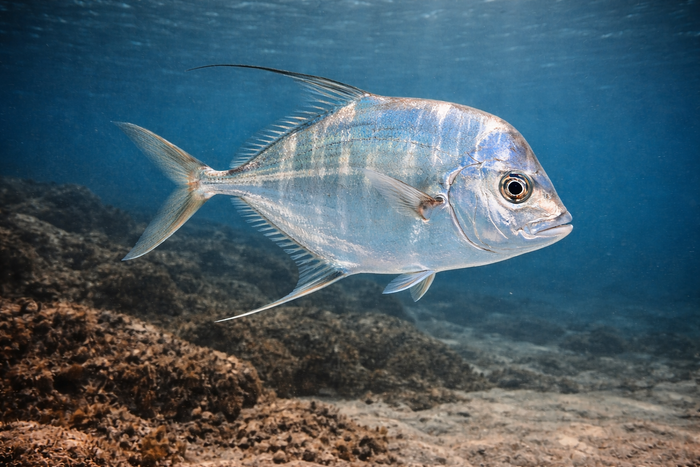
Jack Crevalle stands out with its unmistakable body shape: a deep, compressed frame with a blunt head and a forked tail designed for explosive bursts of speed. Its coloration shifts from dark bluish-green on the back to silvery sides and a pale belly, often marked with a distinctive black spot on the gill cover and a dark blotch near the tail base. This isn’t just for show; the coloration provides camouflage in the shifting light of coastal waters.
What truly separates the Jack Crevalle is its behavior. This fish is a relentless predator, known for hunting in schools and ambushing prey with rapid, coordinated attacks. Its diet is diverse, including smaller fish, crustaceans, and cephalopods, making it a versatile hunter. The Jack Crevalle’s aggressive temperament and stamina make it a favorite among sport fishers, who prize its powerful runs and stubborn fight.
Habitat & Global Range
Jack Crevalle habitat spans a wide range, primarily in warm temperate and tropical waters of the Atlantic Ocean. You’ll find them from the eastern coast of North America down through the Gulf of Mexico and the Caribbean, extending along the coasts of Central and South America. They also inhabit parts of the eastern Atlantic, from Senegal to Angola.
These fish prefer shallow coastal waters, estuaries, and bays, often cruising near reefs, sandy bottoms, and seagrass beds. Juveniles tend to stick closer to shorelines and brackish waters, while adults venture further offshore but rarely stray into deep oceanic zones. The Jack Crevalle’s adaptability to different coastal environments is a key factor in its widespread distribution.
Behavior & Temperament
Jack Crevalle behavior is a study in aggression and endurance. They are fast swimmers, capable of sudden bursts to catch prey or evade threats. Their schooling behavior adds a tactical edge, allowing them to herd smaller fish into tight groups before striking. This cooperative hunting style is both efficient and intimidating.
When hooked, Jack Crevalle are notorious fighters. They use powerful runs, jumps, and head shakes to throw anglers off. Their stamina means they rarely give up quickly, making them a challenging catch. Despite their aggressive nature, they are not territorial and can be found in mixed-species schools, often alongside other jacks and predatory fish.
Ecological Importance
Jack Crevalle play a critical role in coastal marine ecosystems. As mid-level predators, they help regulate populations of smaller fish and invertebrates, maintaining balance within the food web. Their predation on baitfish species can influence the distribution and behavior of prey populations, indirectly affecting the health of seagrass beds and coral reefs.
They also serve as prey for larger predators like sharks and larger pelagic fish, linking different trophic levels. Their presence indicates a healthy, productive coastal environment, making them a valuable species for monitoring ecosystem health.
Conservation & Environmental Pressures
While Jack Crevalle populations are currently stable, they face pressures from habitat degradation, overfishing, and pollution. Coastal development and water quality decline threaten their nursery grounds in estuaries and bays. Overfishing, particularly from recreational anglers targeting them for sport, can impact local populations if not managed properly.
Climate change adds another layer of complexity, potentially shifting their distribution and affecting prey availability. Conservation efforts focus on habitat protection, sustainable fishing practices, and monitoring population trends to ensure this species remains abundant and resilient.
The FishyAF Take
The Jack Crevalle is a fish that demands attention. It’s fast, aggressive, and built for the kind of fight that makes anglers respect the ocean’s raw power. But beyond the thrill of the catch, it’s a vital cog in coastal ecosystems, balancing predator-prey dynamics and signaling environmental health.
If you’re serious about understanding coastal fisheries or just want to add a formidable fighter to your catch list, the Jack Crevalle is a must-know. Its adaptability and resilience make it a species worth protecting and appreciating. Next time you’re on the water, remember: the Jack Crevalle isn’t just another fish. It’s a bold, memorable force of nature that embodies the spirit of the sea.