Leatherjacket (Oligoplites saurus): The Ocean’s Sleek, Silver Bullet with a Sting
Meet the Leatherjacket, Oligoplites saurus, a fish that cuts through coastal waters with the precision of a well-oiled machine. This species is not just another silvery flash in the pan; it’s a streamlined predator with a reputation for speed and agility. Leatherjackets are often overlooked by casual anglers, but their bold appearance and dynamic behavior make them a standout in the marine world. If you want to know what makes this fish tick, where it thrives, and why it matters, you’re in the right place.
What Makes the Leatherjacket Unique?
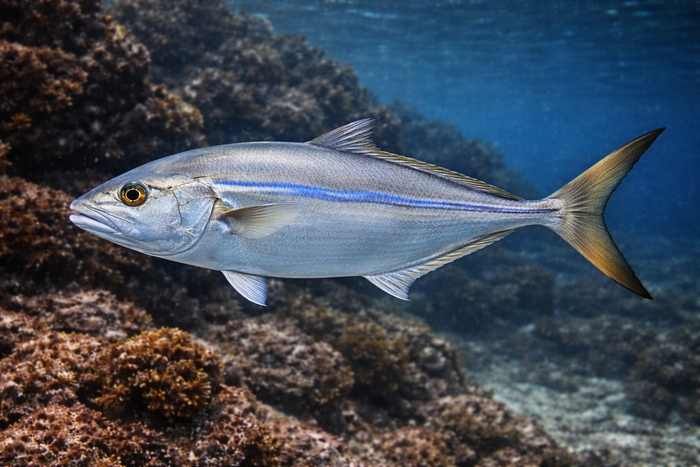
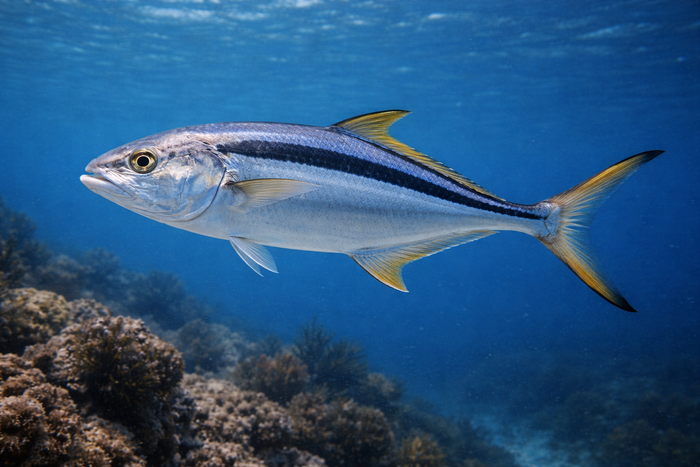
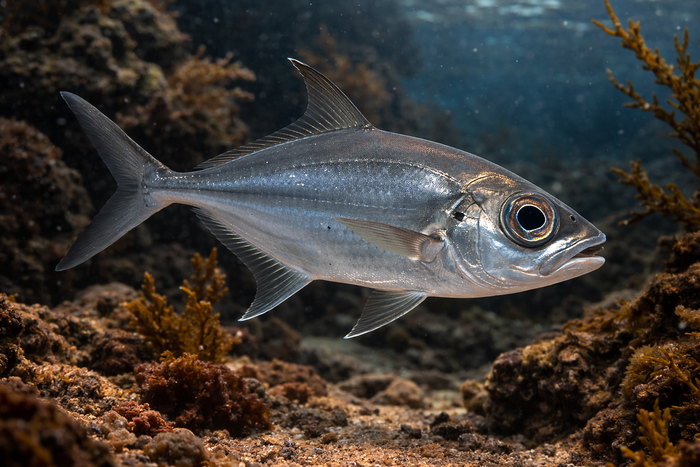
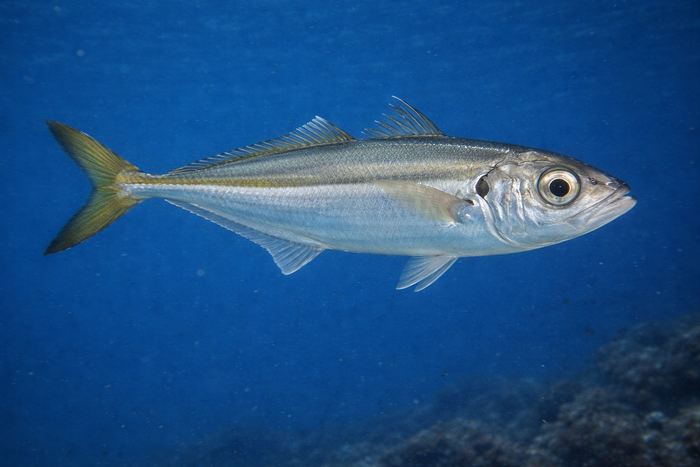
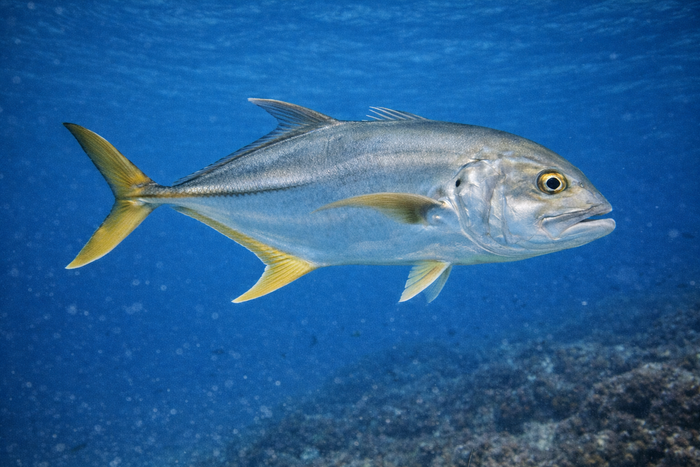
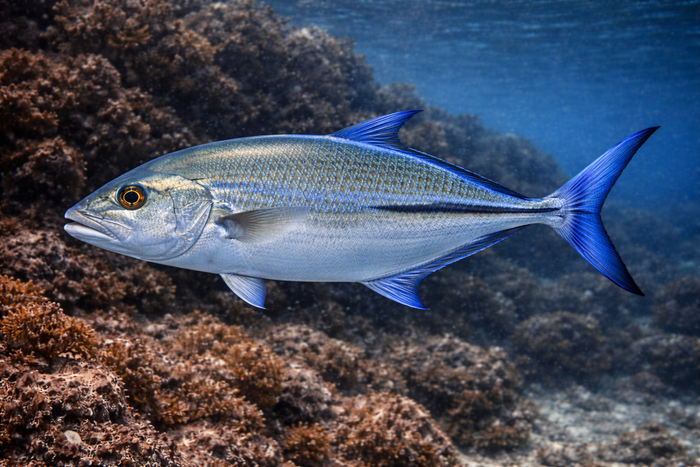
The Leatherjacket’s name isn’t just for show. Its body is covered in tough, leathery skin rather than traditional fish scales, giving it a sleek, armor-like exterior. This skin is smooth and almost rubbery, reducing drag and allowing the fish to slice through water effortlessly. Unlike many of its relatives, the Leatherjacket sports a compressed, elongated body with a forked tail built for bursts of speed.
Another standout feature is its sharp, venomous spines located on the dorsal fin. These spines serve as a formidable defense mechanism against predators. Touch one, and you’ll quickly learn that this fish doesn’t just rely on speed to survive; it’s packing a sting. This combination of agility and defense makes the Leatherjacket a tough customer in its coastal domain.
Habitat & Global Range
Leatherjacket habitat spans the warm coastal waters of the western Atlantic Ocean, from the eastern United States down to Brazil, including the Caribbean Sea. They prefer shallow, nearshore environments where they can exploit abundant food sources and shelter. Think sandy bottoms, seagrass beds, and rocky reefs—these are the Leatherjacket’s playgrounds.
They are often found in estuaries and bays, areas rich in nutrients and teeming with smaller fish and invertebrates. This preference for coastal zones means they are frequently encountered by anglers and divers alike. Leatherjacket habitat is a critical interface between land and sea, making this species a key player in these dynamic ecosystems.
Behavior & Temperament
Leatherjackets are fast, opportunistic predators. They hunt smaller fish, crustaceans, and cephalopods with quick, darting movements. Their streamlined bodies and powerful tails allow them to ambush prey with sudden bursts of speed. Despite their aggressive hunting style, Leatherjackets are generally shy around humans but will defend themselves fiercely if cornered.
Socially, they can be solitary or form small schools, especially during feeding or spawning seasons. Their venomous dorsal spines are a clear warning to potential threats, and they don’t hesitate to use them. This fish is not one to be trifled with, but it’s also not a mindless fighter—it balances caution with aggression perfectly.
Ecological Importance
Leatherjackets play a vital role in coastal food webs. As mid-level predators, they help regulate populations of smaller fish and invertebrates, maintaining a healthy balance in their ecosystems. Their predation controls species that might otherwise overgraze seagrass beds or disrupt reef communities.
Additionally, Leatherjackets serve as prey for larger predators like sharks and larger game fish, linking lower and higher trophic levels. Their presence indicates a robust, functioning coastal ecosystem. Understanding Leatherjacket facts is crucial for appreciating how these fish contribute to marine biodiversity and ecosystem stability.
Conservation & Environmental Pressures
While Leatherjackets are not currently listed as endangered, they face several environmental pressures that could impact their populations. Coastal development, pollution, and habitat degradation threaten the shallow waters they depend on. Seagrass beds and estuaries, critical Leatherjacket habitat, are particularly vulnerable to human activity.
Overfishing is another concern, especially in regions where Leatherjackets are caught as bycatch or targeted for sport. Their slow reproduction rates mean population recovery can be slow if numbers decline. Monitoring Leatherjacket populations and protecting their habitats is essential to ensure these sleek predators continue to thrive.
The FishyAF Take
Leatherjackets are the kind of fish that demand respect. Their unique leathery skin, venomous spines, and lightning-fast strikes make them a fascinating subject for anglers, marine biologists, and conservationists alike. They’re not just another silvery fish in the sea; they’re a vital cog in coastal ecosystems, balancing predator and prey dynamics with style and efficiency.
If you’re serious about understanding coastal marine life, Leatherjacket facts and habitat knowledge are non-negotiable. These fish embody the raw power and delicate balance of nearshore waters. Protecting their environment means safeguarding the intricate web of life that supports countless species, including us. Keep your eyes peeled and your hooks ready—Leatherjackets are a bold, memorable catch that won’t disappoint.