Horse Mackerel (Trachurus trachurus): The Speedy Silver Bullet of Coastal Waters
The Horse Mackerel is one of those fish that slips under the radar despite its widespread presence and vital role in marine ecosystems. Known scientifically as Trachurus trachurus, this species is a staple for commercial fisheries and a favorite among anglers who appreciate its fight and flavor. It’s not just another shiny fish in the sea; the Horse Mackerel packs a punch in terms of adaptability, behavior, and ecological impact. If you’re diving into Horse Mackerel facts, get ready to meet a fish that’s as dynamic as it is essential.
What Makes the Horse Mackerel Unique?
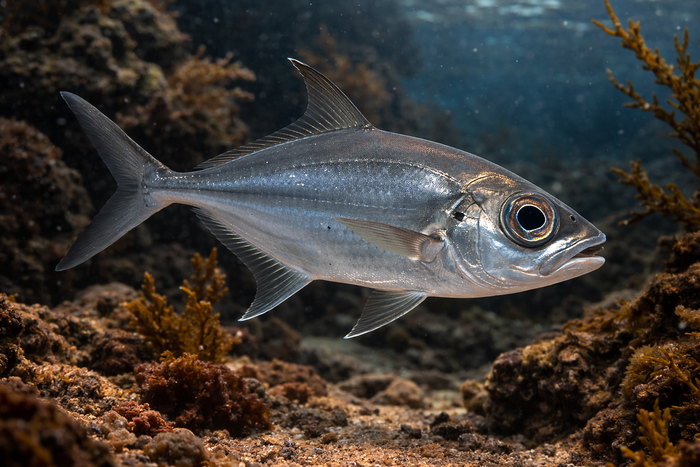
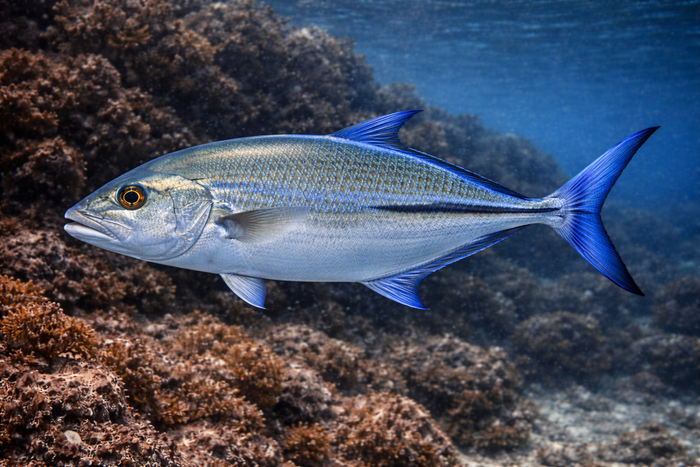
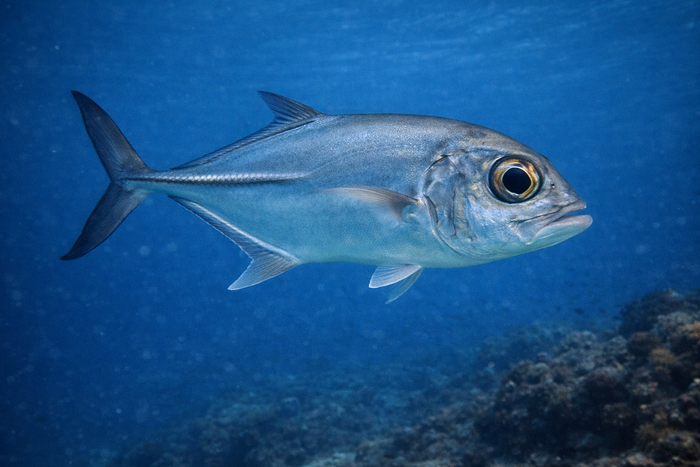
Horse Mackerel stands out with its sleek, streamlined body and distinctive lateral line marked by scutes—those bony, armor-like scales that give it a slightly armored look. This isn’t just for show; it’s a design optimized for speed and maneuverability. Unlike some of its mackerel cousins that prefer open ocean, the Horse Mackerel thrives in coastal and shelf waters, making it a versatile predator and prey species.
Its schooling behavior is another defining trait. These fish move in tight, coordinated groups that can confuse predators and increase foraging efficiency. The Horse Mackerel’s diet is equally varied, feeding on plankton, small fish, and crustaceans, which reflects its opportunistic nature. This adaptability is a key factor in its survival across diverse marine environments.
Habitat & Global Range
The Horse Mackerel’s habitat is primarily coastal and continental shelf waters, ranging from the cooler waters of the North Sea down to the warmer Mediterranean and parts of the eastern Atlantic. This species prefers depths from the surface down to about 200 meters, often found near rocky substrates, sandy bottoms, and around underwater structures where food is abundant.
Its global range spans from Norway and Iceland in the north, down to West Africa in the south, including the British Isles and the Mediterranean Sea. This broad distribution is a testament to its adaptability to different temperature regimes and marine conditions. The Horse Mackerel habitat is characterized by nutrient-rich waters, which support the plankton blooms that fuel the entire food web.
Behavior & Temperament
Horse Mackerel are fast, agile swimmers, often seen darting in synchronized schools that can number in the thousands. This schooling behavior is a survival strategy, reducing individual risk from predators like larger fish, seabirds, and marine mammals. Their speed and agility make them challenging targets, both in the wild and on the line for anglers.
They are primarily diurnal feeders, hunting during daylight hours when their prey—small fish, shrimp, and plankton—are most active. Their feeding strategy is opportunistic, adjusting to seasonal and regional availability of food sources. Despite their size, Horse Mackerel are aggressive feeders, often chasing down prey with bursts of speed.
Ecological Importance
Horse Mackerel play a pivotal role in marine ecosystems as both predator and prey. They help regulate populations of smaller fish and invertebrates, maintaining a balance in coastal food webs. At the same time, they are a crucial food source for larger predatory fish, seabirds, and marine mammals.
Their schooling behavior also influences nutrient cycling. Large schools can impact local ecosystems by concentrating organic matter through excretion and feeding activities, which in turn supports benthic communities. The species’ role in connecting lower trophic levels (plankton) to higher ones (predators) makes it a key player in the energy flow of marine environments.
Conservation & Environmental Pressures
Despite its abundance, the Horse Mackerel faces pressures from overfishing and habitat degradation. Commercial fisheries target this species extensively due to its economic value, which can lead to localized population declines if not managed properly. Bycatch in other fisheries also poses a threat.
Environmental changes such as ocean warming, pollution, and habitat disruption affect Horse Mackerel populations by altering their habitat and food availability. Changes in sea temperature can shift their distribution, potentially leading to ecological mismatches and increased competition.
Sustainable management practices are critical to ensure the long-term viability of Horse Mackerel stocks. This includes monitoring catch limits, protecting spawning grounds, and reducing bycatch. The species’ resilience is notable, but it’s not invincible.
The FishyAF Take
Horse Mackerel is the unsung workhorse of coastal fisheries—fast, adaptable, and ecologically indispensable. It’s a species that demands respect for its role in the marine food chain and for the challenges it faces from human activity. Whether you’re a fisherman, a conservationist, or just a curious angler, understanding Horse Mackerel facts and habitat is key to appreciating this silver bullet of the sea.
This fish isn’t flashy, but it’s smart, efficient, and vital. Its survival hinges on balanced ecosystems and responsible fishing practices. Keep an eye on the Horse Mackerel—it’s a barometer for the health of coastal waters and a reminder that even the most common fish deserve a second look.