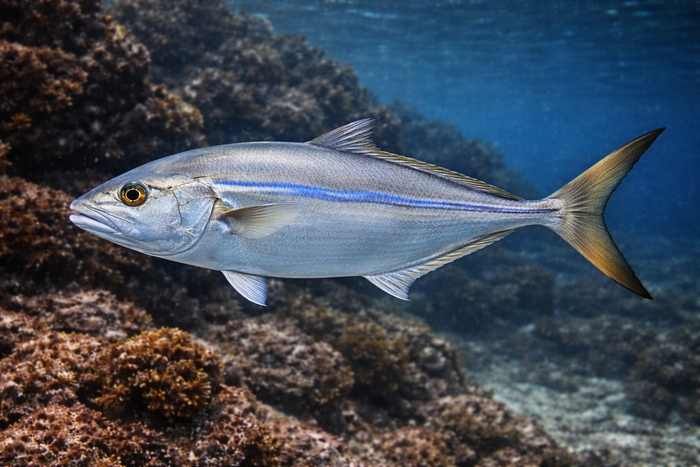
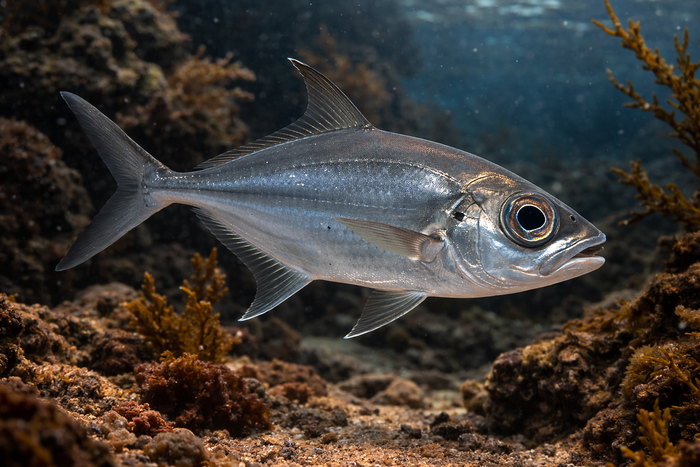
Bluefin Trevally (Caranx melampygus): The Ocean’s Flashy Predator with a Serious Bite
The Bluefin Trevally is not your average reef fish. Sporting electric blue fins that flash like neon signs underwater, this species demands attention. Known scientifically as Caranx melampygus, it’s a top-tier predator in tropical and subtropical waters, combining speed, power, and a striking appearance. Whether you’re a seasoned angler, a marine enthusiast, or just someone curious about the ocean’s more charismatic residents, the Bluefin Trevally is a fish that commands respect and fascination.
What Makes the Bluefin Trevally Unique?
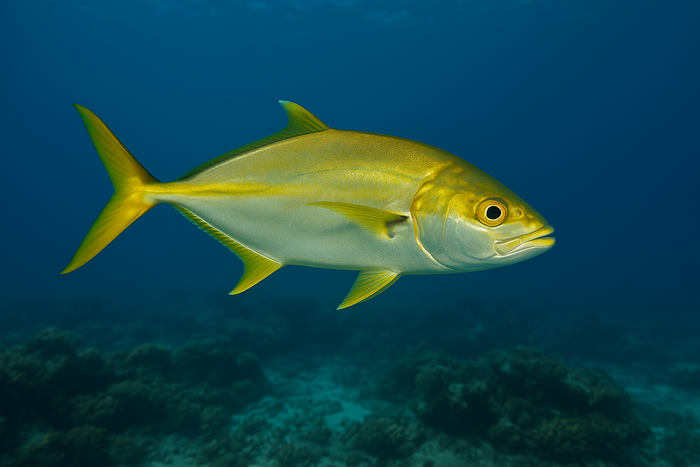
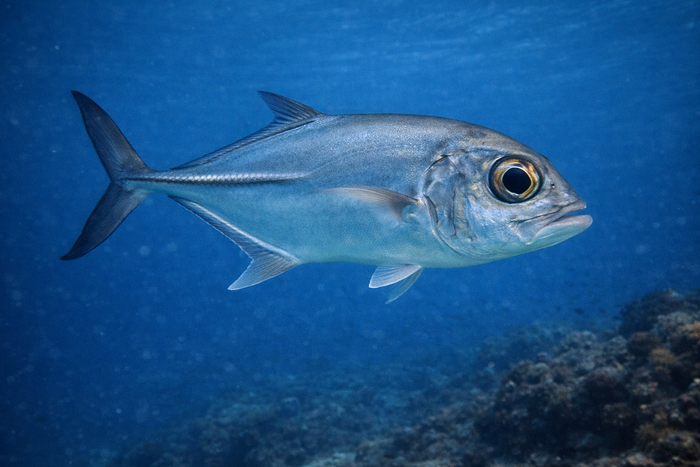
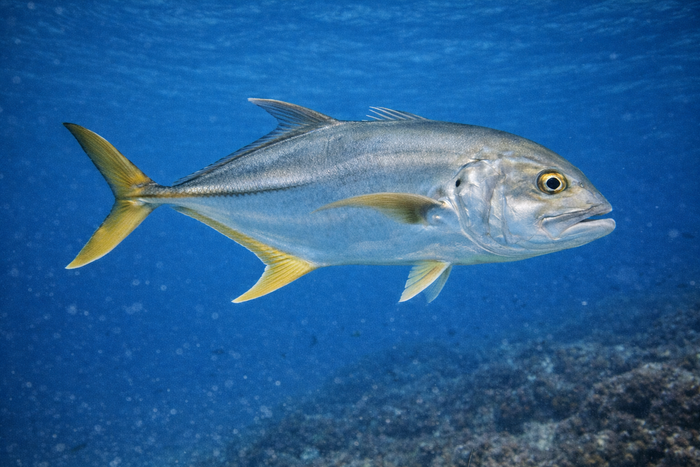
The Bluefin Trevally stands out for several reasons. First, its vivid blue dorsal and anal fins are not just for show—they serve as a warning and a communication tool among its kind. This coloration is rare among jacks and makes it instantly recognizable. Beyond looks, the Bluefin Trevally is a master of ambush and pursuit, capable of explosive bursts of speed to catch prey. Its body is streamlined, built for swift, agile movements in complex reef environments.
Another unique trait is its versatility. It hunts alone or in groups, adapting its strategy based on the situation. Juveniles often school near reefs, while adults patrol open waters and drop-offs. This adaptability extends to diet, feeding on a wide range of fish, crustaceans, and cephalopods, making it a formidable predator in its ecosystem.
Habitat & Global Range
Bluefin Trevally habitat spans the warm waters of the Indo-Pacific region, from the eastern coast of Africa and the Red Sea to the central Pacific islands. They thrive in coral reefs, lagoons, and coastal areas, often found near drop-offs and reef edges where prey is abundant. Their preference for clear, warm waters with complex structures allows them to exploit both the reef’s shelter and the open water’s hunting grounds.
These fish are not strictly reef-bound; they venture into open water and sometimes even estuaries. This wide habitat range is a key to their success and survival, allowing them to exploit diverse environments. Their presence is a good indicator of reef health, as they need a robust ecosystem to support their predatory lifestyle.
Behavior & Temperament
Bluefin Trevally behavior is a mix of calculated aggression and opportunistic hunting. They are known for their boldness, often seen patrolling reef slopes or cruising just above the reef crest. When hunting, they use a combination of stealth and speed, sometimes herding smaller fish into tight balls before striking.
Their temperament is generally territorial but not overly aggressive toward divers or humans unless provoked. They can be curious, occasionally approaching snorkelers or divers, but they maintain a healthy respect for larger creatures. In the wild, they exhibit complex social behaviors, including schooling in juveniles and more solitary habits as adults.
Ecological Importance
As apex or near-apex predators in their habitat, Bluefin Trevally play a crucial role in maintaining the balance of reef ecosystems. By preying on smaller fish and invertebrates, they help control populations that might otherwise overgraze or damage coral reefs. This predation pressure supports biodiversity and reef resilience.
Their role extends beyond just predator-prey dynamics. Bluefin Trevally contribute to nutrient cycling through their feeding and excretion, influencing the productivity of reef systems. Healthy populations of Bluefin Trevally are often a sign of a well-functioning marine ecosystem, making them important indicators for conservationists and marine biologists.
Conservation & Environmental Pressures
Despite their wide range and adaptability, Bluefin Trevally face several environmental pressures. Overfishing, both commercial and recreational, threatens local populations, especially in areas where they are prized game fish. Their bold nature and tendency to school as juveniles make them vulnerable to netting and trapping.
Habitat degradation is another significant threat. Coral reef destruction from climate change, pollution, and coastal development reduces the available habitat and prey for Bluefin Trevally. Ocean warming and acidification also impact the delicate balance of reef ecosystems, indirectly affecting these predators.
Conservation efforts focus on sustainable fishing practices, marine protected areas, and habitat restoration. Monitoring Bluefin Trevally populations provides valuable data on reef health and the effectiveness of conservation measures. Protecting this species means preserving the intricate web of life that supports vibrant reef communities.
The FishyAF Take
The Bluefin Trevally is a fish that demands attention for all the right reasons. It’s flashy but functional, aggressive but strategic, and a vital player in the marine ecosystem. If you want to understand reef dynamics or test your angling skills, this species is a perfect subject. Its electric blue fins are a reminder that nature’s designs are both beautiful and purposeful.
For anglers, the Bluefin Trevally offers a thrilling challenge—fast, powerful, and smart enough to keep you on your toes. For conservationists, it’s a bellwether species signaling the health of tropical reefs. And for anyone who loves the ocean, it’s a living example of how evolution crafts creatures that are as stunning as they are effective.
In short, the Bluefin Trevally is not just another fish. It’s a bold, memorable presence in the underwater world, a true icon of the Indo-Pacific reefs. Knowing Bluefin Trevally facts and understanding their habitat is essential for anyone serious about marine life. Respect it, protect it, and appreciate the wild brilliance it brings to the ocean’s stage.