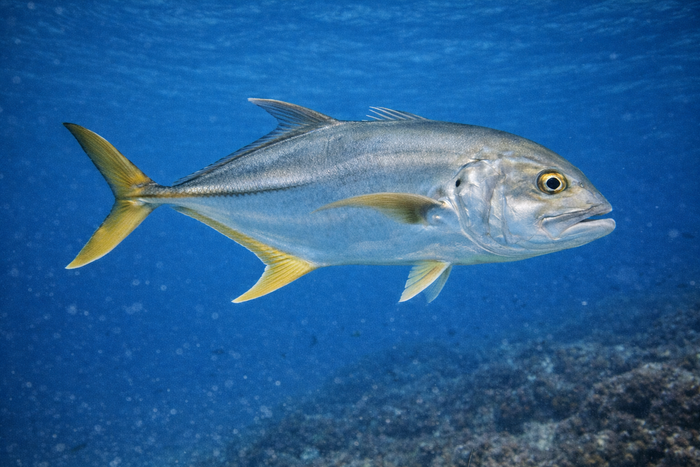
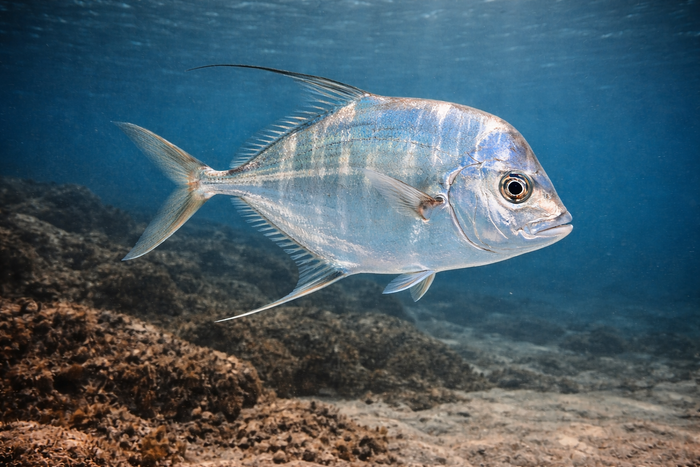
Blue Runner (Caranx crysos): The Speed Demon of Coastal Waters with a Flash of Electric Blue
The Blue Runner is not your average coastal fish. Sporting a sleek, streamlined body and a flash of iridescent blue along its sides, this species commands attention both underwater and on the line. Known scientifically as Caranx crysos, the Blue Runner is a member of the jack family and a favorite among anglers and marine biologists alike. It’s fast, aggressive, and adaptable—qualities that make it a standout in the crowded world of coastal fish. If you’re diving into Blue Runner facts, prepare to meet a fish that’s as bold as its color.
What Makes the Blue Runner Unique?
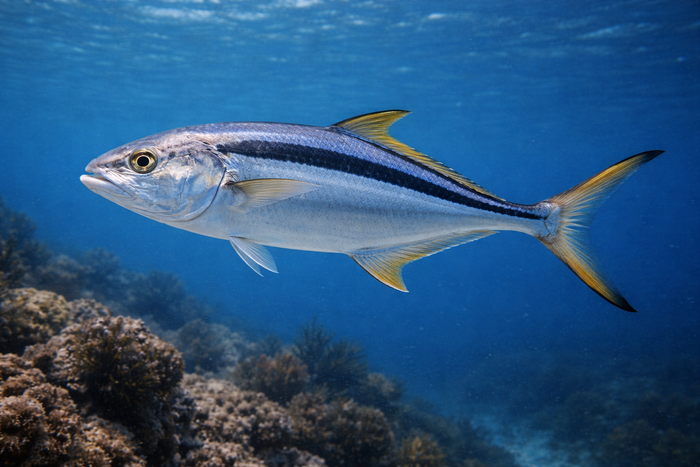
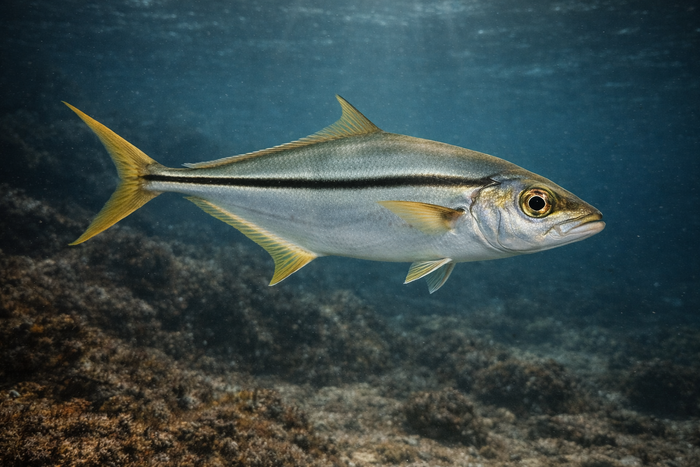
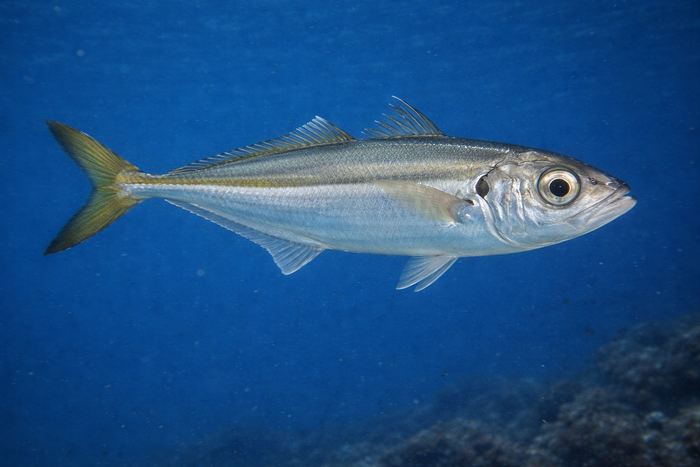
The Blue Runner’s defining feature is its striking coloration. The electric blue sheen that runs along its sides isn’t just for show; it helps the fish blend into the shimmering coastal waters where sunlight plays tricks. Unlike many jacks that favor open ocean, the Blue Runner thrives in nearshore environments, often schooling in large numbers. Its body shape is built for speed and agility, allowing it to dart through reefs and wrecks with precision.
Another unique trait is its diet and feeding strategy. Blue Runners are opportunistic predators, feeding on small fish, crustaceans, and plankton. Their sharp teeth and quick reflexes make them efficient hunters, often chasing down prey in bursts of speed. This adaptability in diet and habitat sets them apart from other Caranx species that might specialize more narrowly.
Habitat & Global Range
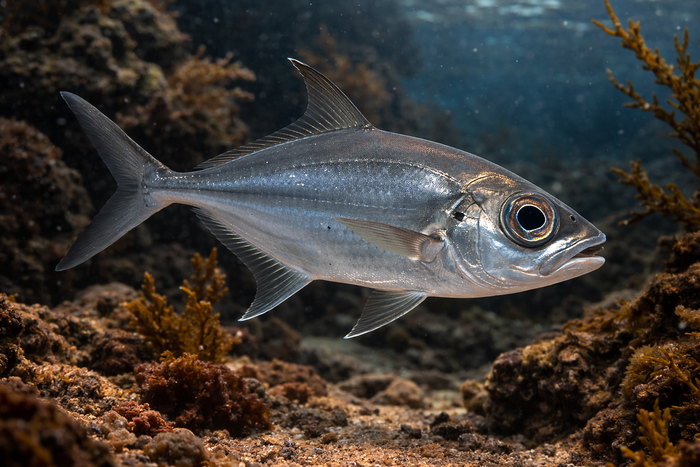
When it comes to Blue Runner habitat, think warm, shallow coastal waters with plenty of structure. They are commonly found along the western Atlantic coast, from Massachusetts down through the Gulf of Mexico and the Caribbean, extending to Brazil. They favor coral reefs, rocky outcrops, piers, and wrecks—anywhere that offers cover and a buffet of smaller fish.
Blue Runners are also known to venture into estuaries and bays, tolerating a range of salinities. This flexibility allows them to exploit different environments throughout their life cycle. Juveniles often hang around mangroves and seagrass beds, which provide shelter from predators and abundant food sources. Adults, meanwhile, patrol the open reef edges and drop-offs, always on the hunt.
Behavior & Temperament
Blue Runners are fast and fearless. Their schooling behavior is a survival tactic, confusing predators and increasing hunting efficiency. When threatened, they can explode into rapid, coordinated bursts of speed, making them tough targets. This makes them a thrilling catch for sport fishermen who prize the fight as much as the fish itself.
Despite their aggressive feeding habits, Blue Runners are not territorial. They move fluidly through their environment, often mixing with other species of jacks and reef fish. Their temperament is bold but not reckless—calculated bursts of speed and sharp turns define their movement rather than blind panic.
Ecological Importance
Blue Runners play a crucial role in coastal ecosystems. As mid-level predators, they help regulate populations of smaller fish and invertebrates, maintaining a balance that supports reef health. Their presence indicates a healthy, functioning ecosystem, as they rely on abundant prey and clean water to thrive.
They also serve as prey for larger predators like groupers, sharks, and barracudas. This positions them as a vital link in the food web, transferring energy from lower trophic levels up to apex predators. Their schooling behavior can influence the behavior of other species, creating dynamic interactions that shape reef community structures.
Conservation & Environmental Pressures
While Blue Runners are not currently considered endangered, they face several environmental pressures that could impact their populations. Coastal development, pollution, and habitat degradation threaten the reefs and estuaries they depend on. Overfishing, particularly in regions where they are targeted for bait or food, can reduce local numbers and disrupt ecological balance.
Climate change adds another layer of complexity. Rising sea temperatures and ocean acidification affect coral reefs and seagrass beds, indirectly impacting Blue Runner habitat and food availability. Monitoring Blue Runner populations and protecting their habitats is essential to ensure these fish continue to thrive.
The FishyAF Take
The Blue Runner is a prime example of a species that combines speed, adaptability, and ecological significance into one sleek package. It’s not just a flashy fish to catch; it’s a vital player in coastal ecosystems that demands respect. Whether you’re an angler chasing the thrill of a fast fight or a marine enthusiast fascinated by reef dynamics, the Blue Runner offers something compelling.
Understanding Blue Runner facts and habitat nuances helps us appreciate the delicate balance of coastal waters. These fish remind us that speed and style in the ocean come with responsibility—protecting their environment ensures that future generations can enjoy the same electric blue flash that has captivated us for centuries.