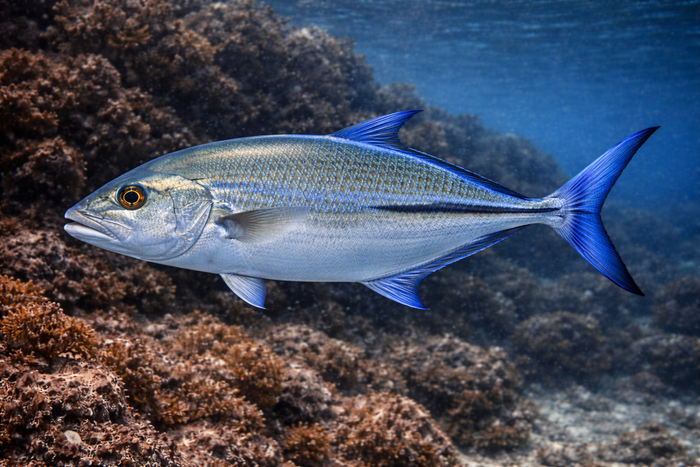
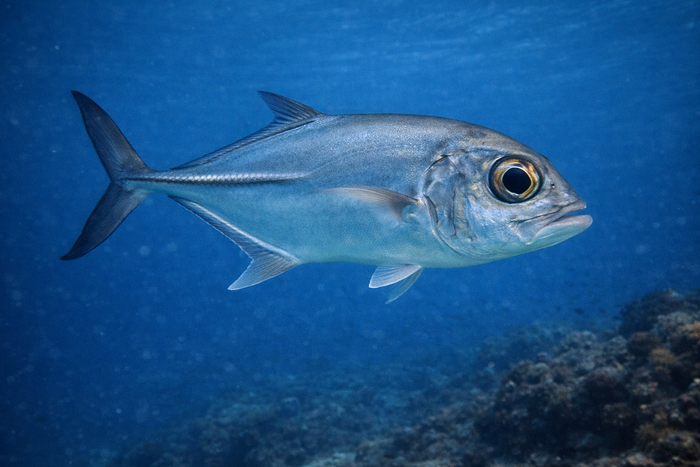
Lookdown (Selene vomer): The Silver Phantom of Shallow Waters
The Lookdown is not your average fish. With its strikingly flattened body and reflective, mirror-like sheen, it commands attention wherever it swims. Known scientifically as Selene vomer, this species is a standout in coastal marine environments, blending an almost alien appearance with fascinating behaviors. If you’re diving into Lookdown facts, prepare for a fish that’s as intriguing as it is visually arresting.
What Makes the Lookdown Unique?
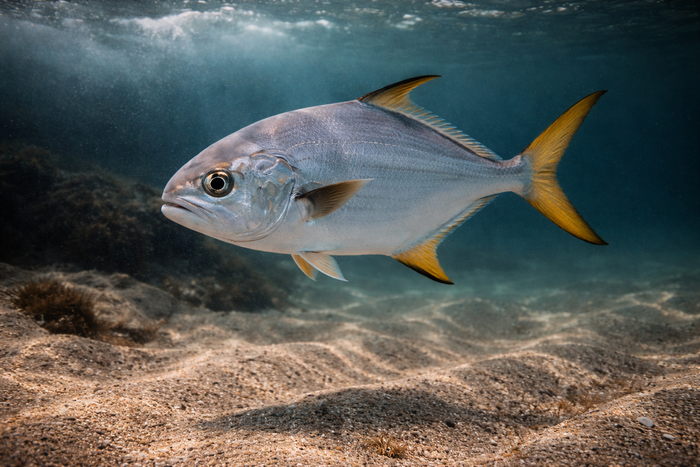
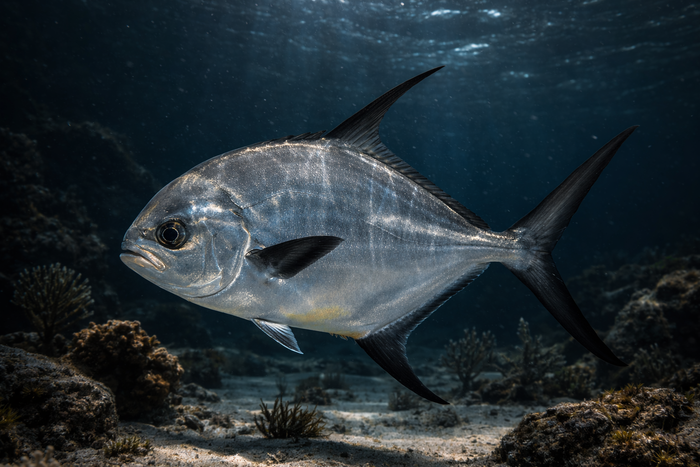
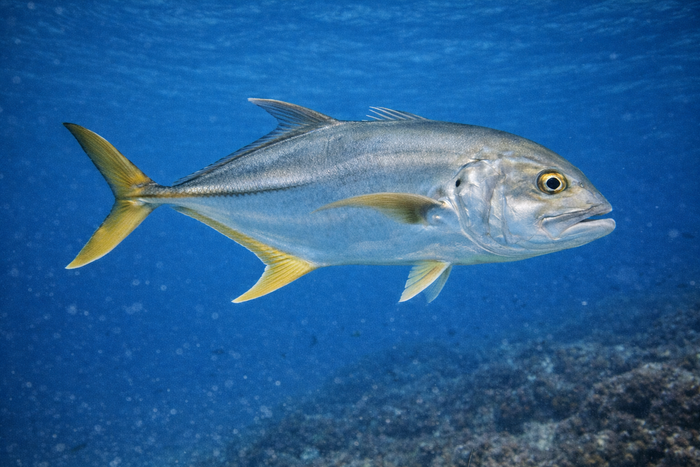
The Lookdown’s most defining feature is its dramatically compressed, laterally flattened body. Viewed head-on, it appears almost blade-thin, a shape that reduces drag and helps it slip through water with ease. Its silvery, reflective scales act like underwater mirrors, confusing predators and prey alike. The fish’s large, slanted eyes sit high on its head, giving it a perpetually surprised expression that’s oddly endearing.
Another standout trait is its dorsal and anal fins, which are elongated and sweep back elegantly, enhancing its aerodynamic silhouette. These fins, combined with its forked tail, make the Lookdown a swift and agile swimmer. Unlike many fish that rely on speed bursts, the Lookdown’s body shape supports smooth, sustained cruising near the water’s surface.
Habitat & Global Range
Lookdowns favor shallow coastal waters, often found from the western Atlantic coast of North America down through the Caribbean and into parts of South America. Their preferred Lookdown habitat includes sandy bottoms, seagrass beds, and areas around reefs where they can hunt and hide with equal skill.
They thrive in warm, temperate to tropical waters, typically ranging from depths of just a few feet to about 50 meters. This preference for shallow, sunlit waters means they’re often spotted near shorelines, estuaries, and bays. Their reflective bodies blend seamlessly with the shimmering water surface, making them masters of camouflage in their natural environment.
Behavior & Temperament
Lookdowns are schooling fish, often seen moving in tight, synchronized groups. This schooling behavior is a survival tactic, confusing predators with a flickering wall of silver. Their movements are fluid and deliberate, rarely frantic, which fits their cruising lifestyle.
They are opportunistic feeders, preying on small fish, crustaceans, and other invertebrates. Their sharp eyesight and quick reflexes make them effective hunters in the dappled light of their coastal homes. Despite their striking appearance, Lookdowns are relatively shy and avoid confrontation, preferring to dart away rather than engage threats.
In captivity, Lookdowns can be challenging to keep due to their specific habitat needs and schooling nature. They require ample space and water quality that mimics their natural environment closely. Their temperament is generally peaceful, but they do best with similarly sized, non-aggressive tank mates.
Ecological Importance
Lookdowns play a vital role in coastal ecosystems. As mid-level predators, they help regulate populations of smaller fish and invertebrates, maintaining a balanced food web. Their schooling behavior also provides a food source for larger predatory fish, birds, and marine mammals, linking multiple trophic levels.
Their presence in seagrass beds and near reefs contributes to the health of these habitats. By preying on species that might otherwise overgraze or disrupt these environments, Lookdowns indirectly support biodiversity and habitat stability. Their reflective bodies also influence light penetration in shallow waters, subtly affecting the microhabitats around them.
Conservation & Environmental Pressures
While Lookdowns are not currently classified as endangered, they face several environmental pressures. Coastal development, pollution, and habitat degradation threaten their shallow water homes. Seagrass beds and reefs, crucial for their survival, are particularly vulnerable to human activity and climate change.
Overfishing is not a major direct threat since Lookdowns are not a primary target species, but they can be caught as bycatch in commercial fisheries. Additionally, their sensitivity to water quality means that pollution and sediment runoff can impact their populations significantly.
Conservation efforts that protect coastal habitats, regulate pollution, and promote sustainable fishing practices indirectly benefit Lookdowns. Monitoring their populations can also serve as an indicator of ecosystem health in coastal regions.
The FishyAF Take
The Lookdown is a masterclass in evolutionary design—sleek, reflective, and perfectly adapted to its niche. It’s a fish that demands a second look, not just for its unique shape but for its role in the complex dance of coastal ecosystems. If you want to understand the subtle interplay between form, function, and environment in marine life, the Lookdown is a prime example.
For anglers, divers, and marine enthusiasts, spotting a school of Lookdowns is a reminder that the ocean’s shallow waters hold wonders beyond the usual suspects. Their shimmering bodies and graceful movements are a testament to nature’s ability to innovate. Protecting their habitat means preserving a slice of coastal biodiversity that’s as functional as it is beautiful.
In short, the Lookdown isn’t just a fish—it’s a living, breathing piece of aquatic art with a crucial ecological role. Keep an eye out for this silver phantom next time you’re near the shore. It’s a fish that deserves more than just a passing glance.