Pompano (Trachinotus carolinus): The Silver Bullet of Coastal Waters That Commands Respect
The pompano is a coastal heavyweight in the world of saltwater game fish. Known for its sleek, silvery body and impressive speed, this fish is a favorite among anglers and chefs alike. But the pompano is more than just a pretty face with a tasty reputation. It’s a species with a fascinating biology, a specific niche in marine ecosystems, and a story that’s worth knowing if you’re serious about understanding coastal fish species. This guide dives deep into pompano facts, their habitat, behavior, and why they matter beyond the dinner plate.
What Makes the Pompano Unique?
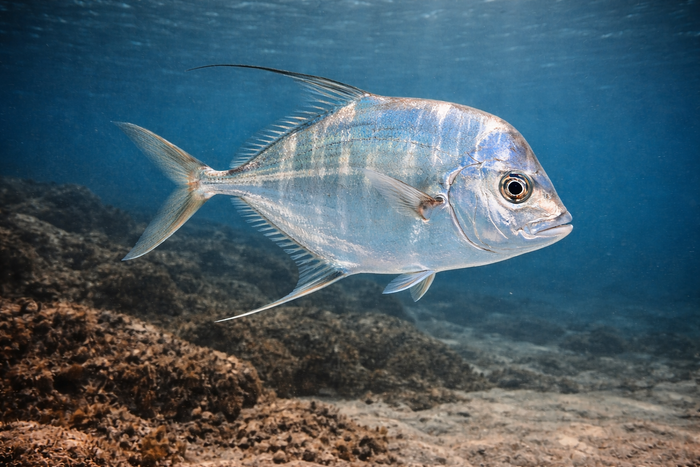
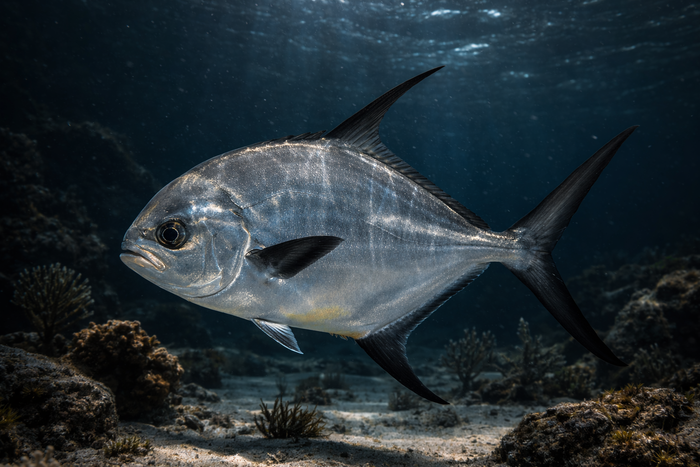
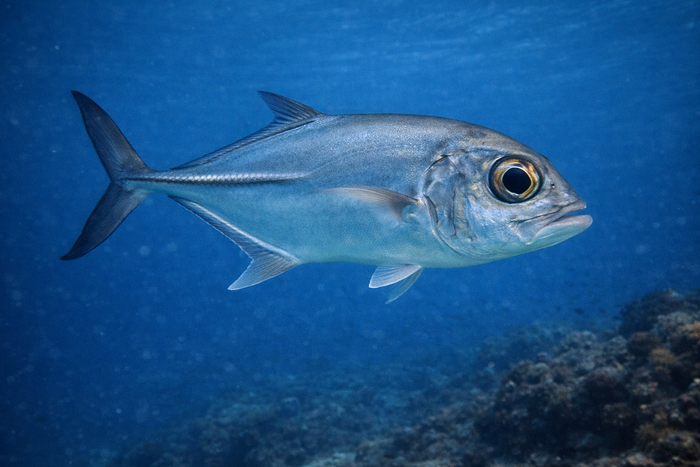
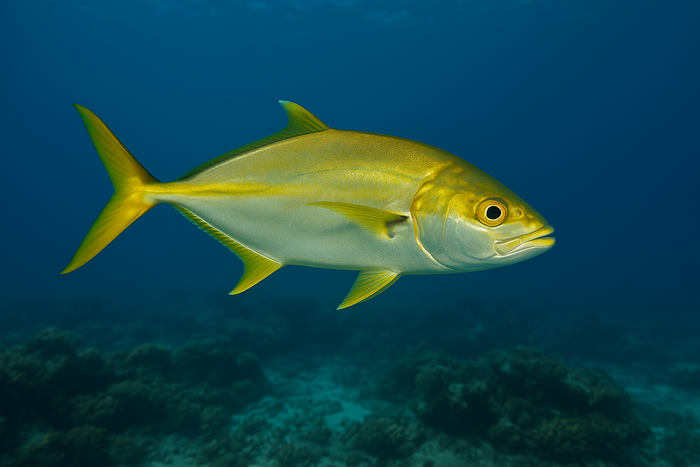
Pompano stand out with their distinct, laterally compressed bodies and forked tails, built for bursts of speed and agility. Their coloration is a shimmering silver with hints of blue and green, making them look like underwater missiles. Unlike many fish that rely on camouflage, pompano flaunt their brightness, which is a clue to their lifestyle in clear, shallow waters.
One of the pompano’s defining traits is its remarkable swimming ability. These fish are built for quick, darting movements to chase down small baitfish and crustaceans. Their mouths are small but efficient, perfectly adapted to snatch up prey with precision. This combination of speed and feeding strategy sets them apart from slower, bulkier species in the same coastal zones.
Habitat & Global Range
Pompano habitat is primarily coastal and subtropical, hugging sandy bottoms and surf zones where waves stir up food. They thrive in warm waters along the western Atlantic, from Massachusetts down through the Gulf of Mexico and as far south as Brazil. This range means they experience a variety of coastal environments but always prefer clear, shallow waters with moderate currents.
These fish are often found near beaches, estuaries, and around barrier islands where the water is well oxygenated and food is abundant. Pompano habitat overlaps with popular recreational fishing spots, which explains their high profile among anglers. They are also known to venture into brackish waters, showing some tolerance for varying salinity levels, but they avoid the open ocean’s deep, cold waters.
Behavior & Temperament
Pompano are fast, alert, and highly social. They often travel in schools, which provides safety in numbers and enhances their hunting efficiency. Their schooling behavior also makes them a dynamic target for fishermen, as a single cast can yield multiple catches.
These fish are opportunistic feeders, focusing on small crustaceans like shrimp and crabs, as well as small fish. Their feeding is active and aggressive, relying on quick bursts of speed rather than stealth. This behavior makes them a challenge to catch but also a rewarding prize for those who master the right techniques.
Temperament-wise, pompano aren’t aggressive toward other species but are highly competitive within their own schools. They respond quickly to changes in water temperature and tides, often moving closer to shore during feeding times and retreating when conditions turn unfavorable.
Ecological Importance
Pompano play a crucial role in coastal ecosystems as mid-level predators. By feeding on small crustaceans and baitfish, they help regulate these populations, maintaining a balance that supports the health of the entire food web. Their presence signals a healthy, functioning coastal environment.
They also serve as prey for larger predators like sharks, dolphins, and larger fish species. This dual role as predator and prey makes pompano a vital link in the marine food chain. Their schooling behavior contributes to nutrient cycling, as their movements stir up sediments and redistribute organic material along the seabed.
Conservation & Environmental Pressures
Despite their popularity, pompano face several environmental pressures. Coastal development, pollution, and habitat degradation threaten the shallow waters they depend on. Sedimentation and chemical runoff can reduce water quality, impacting their feeding grounds and breeding areas.
Overfishing is another concern. Pompano are prized for their delicate flavor and firm texture, making them a target for commercial and recreational fisheries. While regulations exist, enforcement varies, and illegal or excessive catches can deplete local populations.
Climate change also poses a threat by altering water temperatures and currents, potentially shifting pompano habitat ranges and affecting their spawning cycles. Monitoring and managing these pressures is critical to ensuring pompano remain a sustainable resource for future generations.
The FishyAF Take
Pompano are the coastal speed demons of the fish world—sleek, fast, and packed with flavor. Their unique biology and behavior make them fascinating subjects for anglers and marine enthusiasts who want more than just a catch. Understanding pompano facts and their habitat is key to appreciating their role in the ecosystem and the challenges they face.
If you’re targeting pompano, respect their environment and the regulations designed to protect them. These fish aren’t just trophies; they’re indicators of healthy coastal waters. Protecting pompano means protecting the entire coastal ecosystem they help sustain. So next time you see that flash of silver in the surf, remember you’re looking at a fish that’s as important as it is impressive.