Atlantic Permit (Trachinotus falcatus): The Speed Demon of Shallow Waters That Commands Respect
The Atlantic Permit is not your average game fish. Known for its sleek, silvery body and lightning-fast bursts of speed, this species has earned a reputation as one of the most challenging and rewarding catches in saltwater angling. If you’re serious about fishing, understanding the Atlantic Permit is non-negotiable. This guide dives deep into the biology, behavior, and ecological role of Trachinotus falcatus, delivering the Atlantic Permit facts every angler and marine enthusiast needs to know.
What Makes the Atlantic Permit Unique?
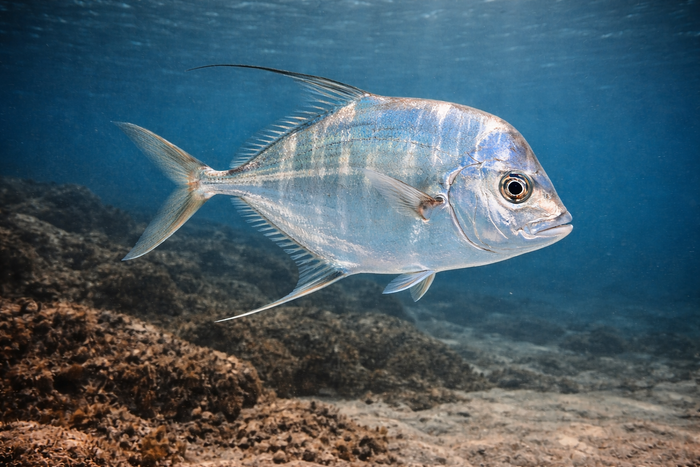
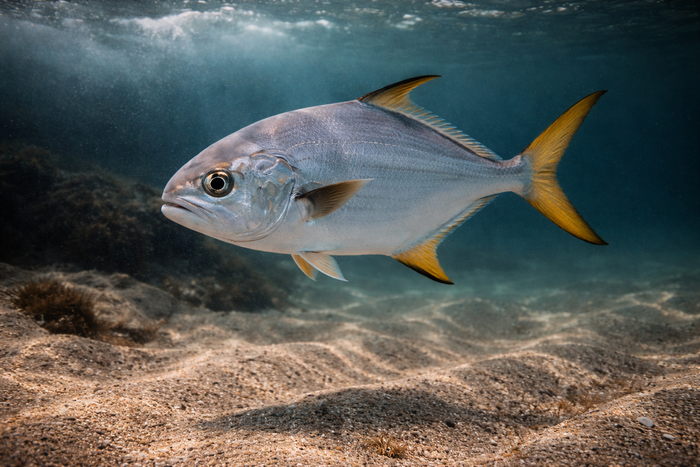
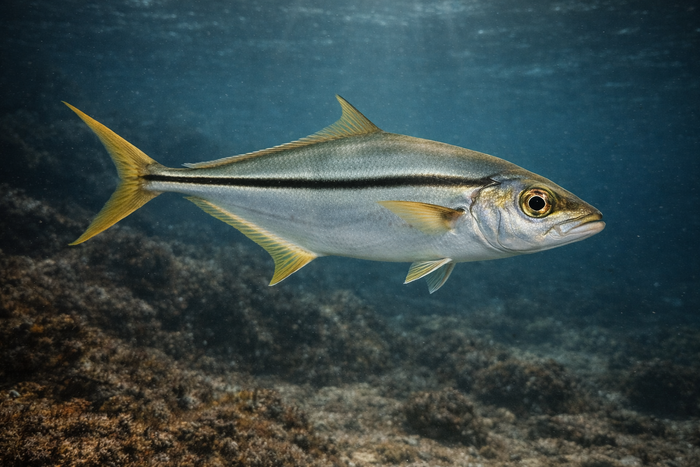
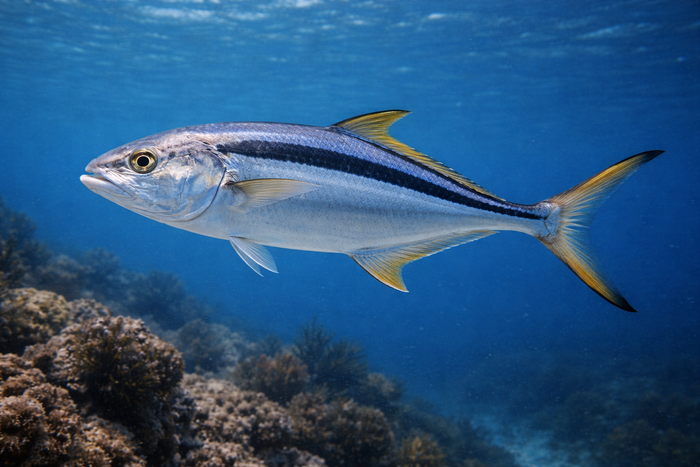
The Atlantic Permit stands out with its distinctive body shape and remarkable agility. Sporting a deep, laterally compressed frame with a forked tail, it’s built for speed and maneuverability. Its dorsal and anal fins are elongated, giving it a streamlined silhouette that slices through water with minimal resistance. The coloration is a shimmering silver with subtle dark vertical bars, which fade as the fish matures.
But it’s not just looks. The Atlantic Permit is a master of shallow water hunting, often seen cruising sandy flats and wrecks with surgical precision. Its diet mainly consists of crabs, shrimp, and small fish, which it hunts with a combination of stealth and explosive speed. Unlike many other game fish, the Atlantic Permit is notoriously wary, making it a true test of skill for anglers.
Habitat & Global Range
The Atlantic Permit’s habitat is a study in contrasts. It thrives in warm, shallow coastal waters, often frequenting sandy flats, coral reefs, and wreck sites. These environments provide ample feeding opportunities and cover. The species is primarily found along the western Atlantic coast, ranging from Massachusetts down through the Caribbean and as far south as Brazil.
The Atlantic Permit habitat is closely tied to warm tropical and subtropical waters, favoring areas where water clarity is high and the bottom is sandy or rubble-strewn. This preference makes it a common sight in the Bahamas, Florida Keys, and the Gulf of Mexico. Seasonal migrations are common, with permits moving to warmer waters during colder months, showcasing their adaptability to changing conditions.
Behavior & Temperament
Atlantic Permits are the embodiment of cautious aggression. They are fast, powerful swimmers but highly alert to threats. This combination makes them difficult to approach and even harder to hook. When hooked, their fight is legendary—expect sudden, blistering runs and acrobatic leaps that test the angler’s endurance and tackle strength.
Socially, Atlantic Permits can be solitary or found in small groups, especially during feeding or spawning periods. Their feeding behavior is methodical; they use their keen eyesight to spot prey before darting in with precision. This species also exhibits a unique habit of tailing in shallow water, where they swim just beneath the surface, stirring up prey from the sandy bottom.
Ecological Importance
The Atlantic Permit plays a crucial role in coastal ecosystems. As a mid-level predator, it helps regulate populations of crustaceans and small fish, maintaining a balanced food web. Their feeding habits contribute to the health of benthic environments by controlling crab and shrimp populations that might otherwise overgraze on seagrass beds and coral reefs.
Moreover, Atlantic Permits serve as prey for larger predators such as sharks and barracudas, linking various trophic levels in the marine food chain. Their presence is an indicator of healthy, well-functioning coastal habitats, making them a valuable species for monitoring ecosystem health.
Conservation & Environmental Pressures
Despite their resilience and widespread distribution, Atlantic Permits face mounting environmental pressures. Coastal development, habitat degradation, and pollution threaten the shallow water environments they depend on. Overfishing, both commercial and recreational, also poses risks, especially in areas where catch limits and regulations are poorly enforced.
The species’ wariness and difficulty to catch have historically offered some protection, but increased fishing pressure and habitat loss could tip the balance. Conservation efforts focus on habitat protection, sustainable fishing practices, and public education to ensure Atlantic Permit populations remain robust. Protecting seagrass beds and coral reefs is critical, as these habitats are essential for their feeding and breeding.
The FishyAF Take
The Atlantic Permit is a fish that demands respect, skill, and knowledge. It’s not just a trophy; it’s a testament to the angler’s ability to read the water, understand fish behavior, and execute precise technique. For those who chase this silver speedster, the challenge is as rewarding as the catch itself.
From an ecological standpoint, the Atlantic Permit is a linchpin species in coastal ecosystems, balancing prey populations and supporting predator species. Its sensitivity to environmental changes makes it a bellwether for the health of tropical and subtropical marine habitats.
If you want to master the art of fishing the Atlantic Permit, start by learning its habits and habitat intimately. Approach with stealth, use light tackle, and be prepared for a fight that will push your limits. This fish isn’t just a target; it’s a benchmark for skill and conservation awareness.
In the world of saltwater game fish, the Atlantic Permit stands apart—fast, elusive, and vital. Know it well, fish it responsibly, and you’ll earn a place among the few who truly respect this remarkable species.