Bar Jack (Caranx ruber): The Caribbean’s Flashy Speedster with a Serious Attitude
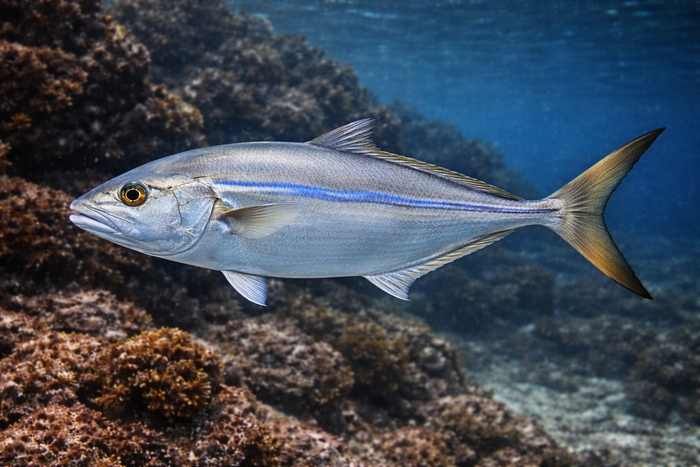
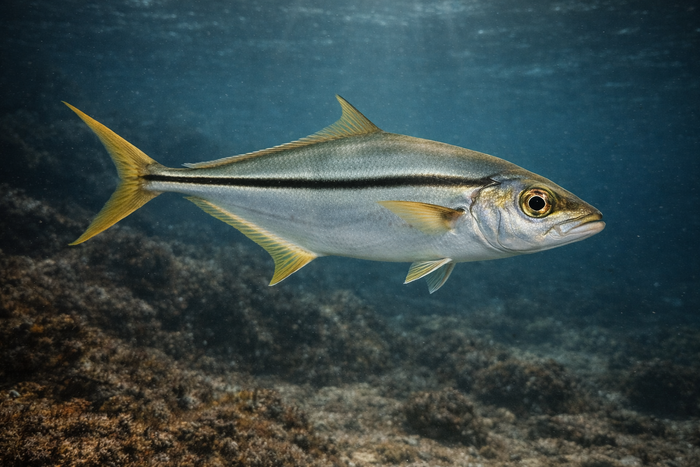
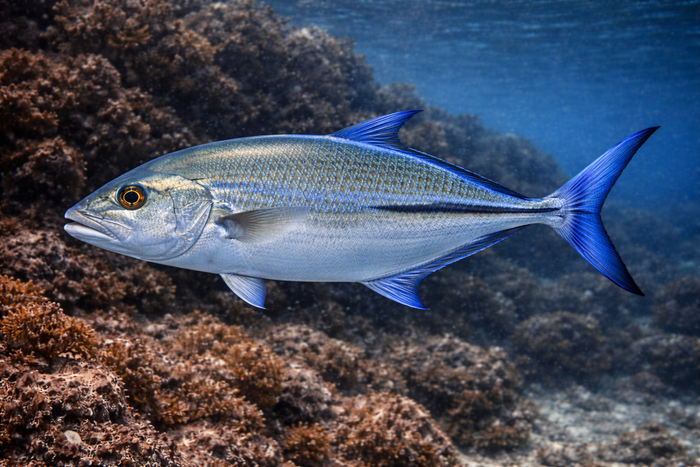
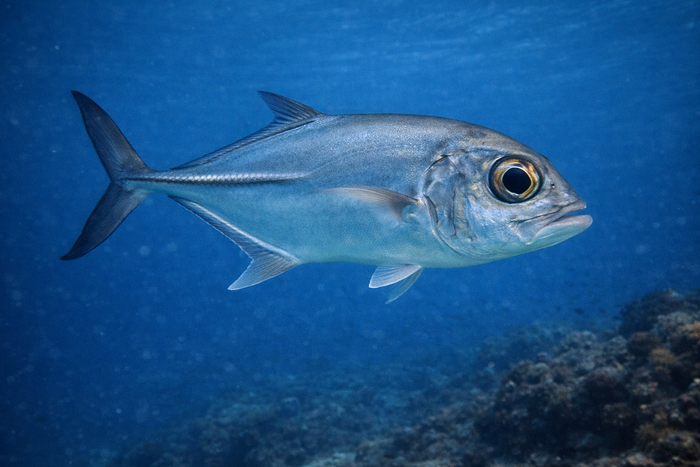
The Bar Jack is not your average reef fish. Sporting a sleek, torpedo-shaped body with a striking black stripe slicing from snout to tail, this species demands attention wherever it swims. Caranx ruber is a member of the jack family, Carangidae, known for their speed, agility, and predatory prowess. If you’re diving or fishing in the tropical western Atlantic, the Bar Jack is a fish you’ll want to know. It’s fast, flashy, and plays a critical role in its ecosystem. Here’s the lowdown on this bold, memorable fish.
What Makes the Bar Jack Unique?
The Bar Jack stands out visually and behaviorally. Its most distinctive feature is the broad black lateral stripe running from the upper jaw all the way to the tail base, bordered by a bright yellow stripe underneath. This color pattern isn’t just for show; it’s a form of disruptive camouflage that breaks up the fish’s outline in the dappled reef light. The rest of its body gleams silver with a subtle greenish or bluish tint on the back.
Unlike many jacks that prefer open water, the Bar Jack is a reef specialist. It combines speed with precision hunting, often darting through coral branches to ambush prey. Its diet is varied but focused on smaller fish and crustaceans, making it a mid-level predator that keeps reef populations in check.
Bar Jacks also exhibit schooling behavior, especially when young, but adults tend to be more solitary or found in small groups. This flexibility in social structure is a survival tactic, balancing protection in numbers with the stealth needed for hunting.
Habitat & Global Range
Bar Jack habitat is primarily shallow, coastal waters of the western Atlantic Ocean. Their range extends from the southeastern United States, including Florida and the Gulf of Mexico, down through the Caribbean Sea and as far south as Brazil. They favor coral reefs, rocky bottoms, and sometimes mangrove-lined shorelines, typically at depths from 3 to 30 meters.
These fish thrive in warm tropical waters where reef complexity provides both shelter and hunting grounds. The Bar Jack’s preference for reef edges and drop-offs allows it to exploit the rich biodiversity of these zones. It’s not uncommon to see them cruising just above the reef, using the structure for cover while scanning for prey.
Seasonal movements are not well documented but are believed to be minimal. Bar Jacks are territorial to some extent, sticking close to their preferred reef patches. This localized residency makes them a reliable species for reef-based anglers and divers.
Behavior & Temperament
Bar Jacks are fast, aggressive hunters with a keen eye for movement. Their hunting style is a mix of ambush and pursuit. They use bursts of speed to chase down small fish, snapping them up with sharp, strong jaws. Their diet includes baitfish like sardines and anchovies, as well as shrimp and other crustaceans.
Socially, juvenile Bar Jacks form schools that provide safety in numbers and improve hunting efficiency. As they mature, they become more solitary or form small groups, especially during feeding. They are known to follow larger predators or even snorkelers and divers, capitalizing on disturbed prey.
Despite their aggressive hunting, Bar Jacks are not typically aggressive toward humans. They may show curiosity but rarely pose any threat. Their speed and agility make them challenging targets for anglers, adding to their reputation as a prized sport fish.
Ecological Importance
Bar Jacks play a vital role in maintaining the balance of reef ecosystems. As mid-level predators, they help regulate populations of smaller fish and invertebrates, preventing any one species from dominating and disrupting the reef’s delicate balance.
Their presence indicates a healthy reef system. Because they rely on complex reef structures for hunting and shelter, a thriving Bar Jack population suggests good coral cover and biodiversity. They also serve as prey for larger predators, including sharks and groupers, linking multiple trophic levels.
By controlling prey species, Bar Jacks indirectly support coral health. Overpopulation of herbivorous fish or invertebrates can lead to algal overgrowth, which smothers corals. Bar Jacks help keep these populations in check, contributing to the reef’s resilience.
Conservation & Environmental Pressures
While not currently listed as endangered, Bar Jacks face several environmental pressures that could impact their populations. Habitat degradation, especially coral reef loss due to climate change, pollution, and destructive fishing practices, poses the biggest threat.
Overfishing is a localized concern. Bar Jacks are targeted by recreational anglers and small-scale fisheries, prized for their fight and taste. Unsustainable fishing can reduce their numbers and disrupt reef food webs.
Climate change adds another layer of risk. Rising sea temperatures lead to coral bleaching, reducing the structural complexity Bar Jacks depend on. Ocean acidification further threatens reef-building corals, indirectly affecting Bar Jack habitat quality.
Marine protected areas and sustainable fishing regulations are critical for preserving Bar Jack populations. Protecting reef habitats ensures these fish continue to thrive and fulfill their ecological role.
The FishyAF Take
The Bar Jack is a standout species in the reef world—fast, flashy, and ecologically significant. It’s a fish that commands respect from anglers and divers alike, not just for its striking appearance but for its role as a key predator in tropical reef systems. Understanding Bar Jack facts and habitat needs is essential for anyone serious about reef conservation or fishing in the western Atlantic.
If you want to see a fish that combines speed, style, and substance, the Bar Jack is your go-to. But don’t mistake its beauty for invincibility. Protecting its habitat means protecting the entire reef ecosystem. Keep your eyes peeled for that bold black stripe next time you’re in Caribbean waters—it’s a sign you’re in the presence of one of the ocean’s sleekest hunters.