Goggle Eye (Selar crumenophthalmus): The Flashy, Silver-Bodied Speedster of Coastal Waters
The Goggle Eye, scientifically known as Selar crumenophthalmus, is a small but striking member of the jack family. Instantly recognizable by its large, reflective eyes that look like they’re wearing a pair of goggles, this fish is a common sight in tropical and subtropical waters worldwide. Despite its modest size, the Goggle Eye packs a punch in terms of ecological role and fishing appeal. If you’ve ever wondered what makes this silvery sprinter so special, dive in for some sharp Goggle Eye facts that go beyond the surface.
What Makes the Goggle Eye Unique?
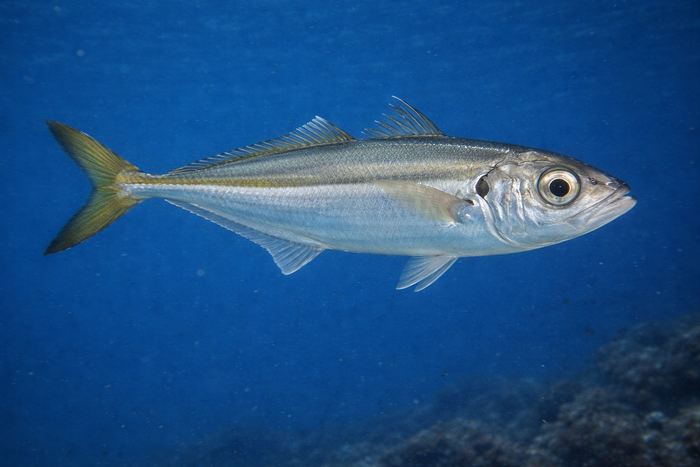
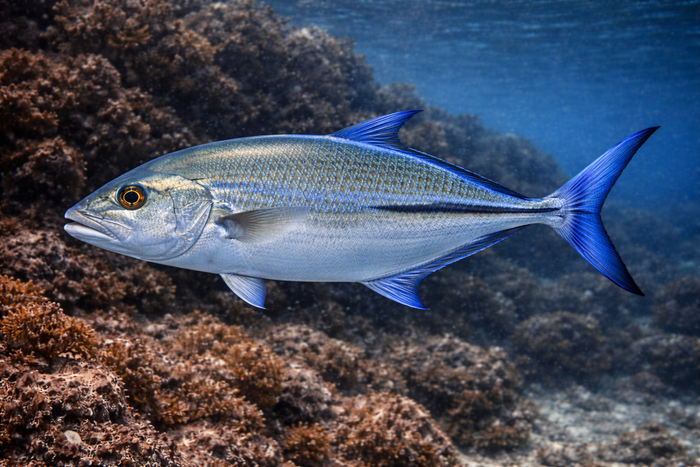
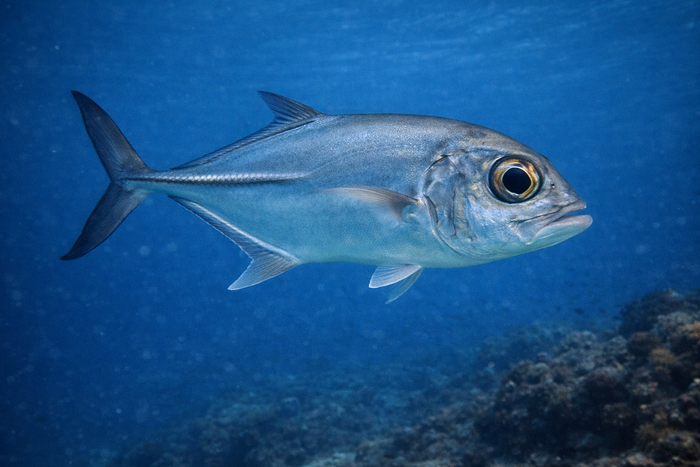
The standout feature of the Goggle Eye is, of course, its oversized, bulging eyes. These aren’t just for show—they help the fish detect prey and predators in low-light conditions, giving it an edge during dawn, dusk, and night feeding. The eyes are so prominent that they give the fish its common name and a somewhat comical appearance.
Beyond the eyes, the Goggle Eye’s body is sleek and silver, built for speed and agility. It’s a schooling fish, often seen darting in tight, synchronized groups. Its forked tail and streamlined shape make it a natural sprinter, capable of quick bursts to evade predators or snatch up plankton and small fish.
Another unique trait is its bioluminescent organ near the eyes, which can glow faintly. This feature is rare among jacks and adds an extra layer of intrigue to this fish’s nocturnal habits.
Habitat & Global Range
The Goggle Eye thrives in warm, coastal waters across the Indo-Pacific region, the Red Sea, and parts of the Atlantic. Its habitat spans coral reefs, lagoons, and estuaries, often favoring areas with plenty of cover and abundant plankton. This fish is a true opportunist, adapting to a variety of marine environments as long as the water temperature stays comfortably tropical or subtropical.
In terms of Goggle Eye habitat, these fish are commonly found near the surface or midwater, schooling around reefs or floating debris. They are also known to venture into brackish waters, showing a tolerance for varying salinity levels. Their presence in both shallow and moderately deep waters makes them accessible to both commercial and recreational fishers.
Behavior & Temperament
Goggle Eyes are fast-moving, alert, and highly social. They school in large numbers, which serves as a defense mechanism against predators. This schooling behavior also makes them easier to locate for fishermen, as they tend to cluster near structures or in nutrient-rich waters.
These fish are primarily planktivores, feeding on tiny crustaceans, larvae, and other microscopic organisms. Their large eyes give them an advantage when hunting in dim light or murky water. Despite their small size, Goggle Eyes are aggressive feeders, often competing fiercely within their schools for food.
Temperament-wise, they are not territorial or aggressive toward divers or other fish species. Their main concern is survival—stay in the group, feed fast, and avoid becoming someone else’s meal.
Ecological Importance
The Goggle Eye plays a crucial role in coastal ecosystems. As a mid-trophic level species, it acts as both predator and prey. By feeding on plankton and small invertebrates, it helps regulate these populations, maintaining balance in the food web.
At the same time, Goggle Eyes are a vital food source for larger predatory fish, seabirds, and marine mammals. Their schooling behavior makes them an easy target, but their numbers and speed help sustain predator populations without collapsing their own.
Additionally, their presence near coral reefs contributes to reef health by supporting a diverse array of species. Healthy Goggle Eye populations often indicate a well-functioning ecosystem with good water quality and abundant resources.
Conservation & Environmental Pressures
Currently, the Goggle Eye is not considered endangered or threatened. Its wide distribution and adaptability have helped it maintain stable populations. However, like many coastal species, it faces pressures from habitat degradation, overfishing, and pollution.
Coral reef destruction and coastal development reduce the available habitat for schooling and feeding. Overfishing, particularly in regions where Goggle Eyes are caught as bait or for local consumption, can impact local populations if not managed properly.
Pollution, especially from agricultural runoff and plastic waste, threatens water quality and plankton abundance, indirectly affecting Goggle Eye survival. Climate change also poses a risk by altering water temperatures and ocean currents, potentially shifting their habitat range or disrupting breeding cycles.
The FishyAF Take
The Goggle Eye is a prime example of how a small fish can punch above its weight in ecological importance and fishing appeal. Its distinctive eyes and schooling behavior make it a memorable species for anglers and marine enthusiasts alike. Understanding Goggle Eye facts and habitat preferences is key to appreciating their role in coastal ecosystems and ensuring their populations remain healthy.
If you’re targeting Goggle Eyes, remember you’re dealing with a fast, alert fish that thrives in groups and low-light conditions. Conservation-wise, they’re not on the brink, but their future depends on maintaining healthy reefs and clean waters. Keep an eye on this flashy little sprinter—it’s a vital piece of the marine puzzle that deserves respect and protection.