Horse Eyed Jack (Caranx latus): The Bold, Silver Bullet of Coastal Waters
The Horse Eyed Jack is no wallflower. With its striking, large eyes and sleek, powerful body, this species commands attention in the coastal waters of the Americas. Known scientifically as Caranx latus, it’s a member of the jack family that blends speed, aggression, and adaptability into a formidable predator. Whether you’re a seasoned angler or a marine enthusiast, understanding the Horse Eyed Jack means appreciating a fish that’s as bold as it is essential to its ecosystem.
What Makes the Horse Eyed Jack Unique?
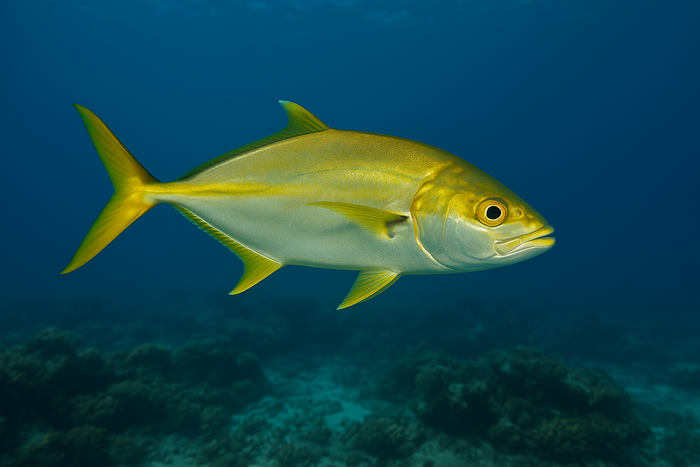
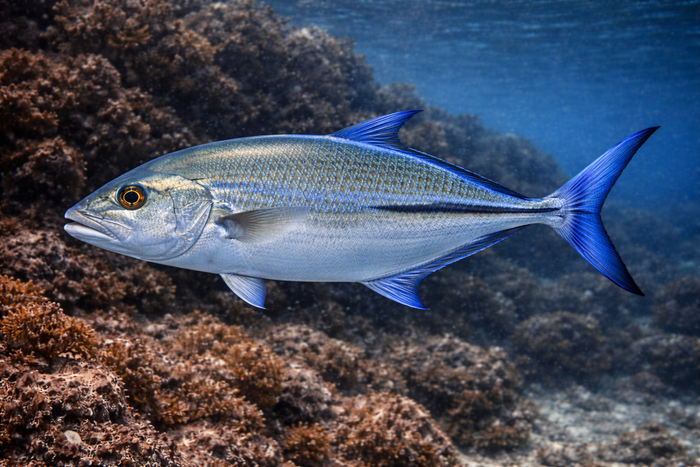
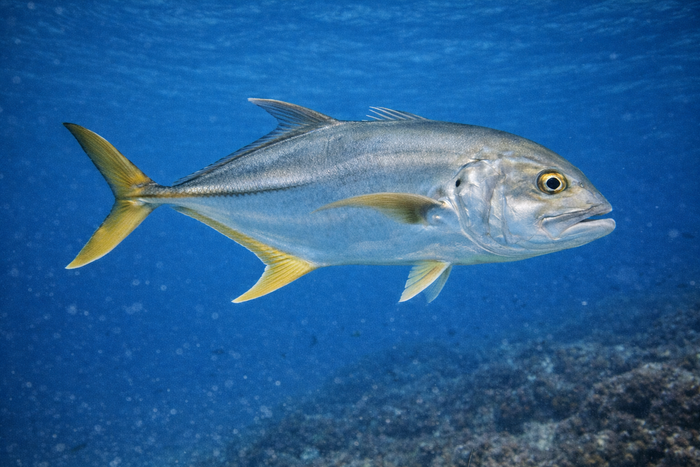
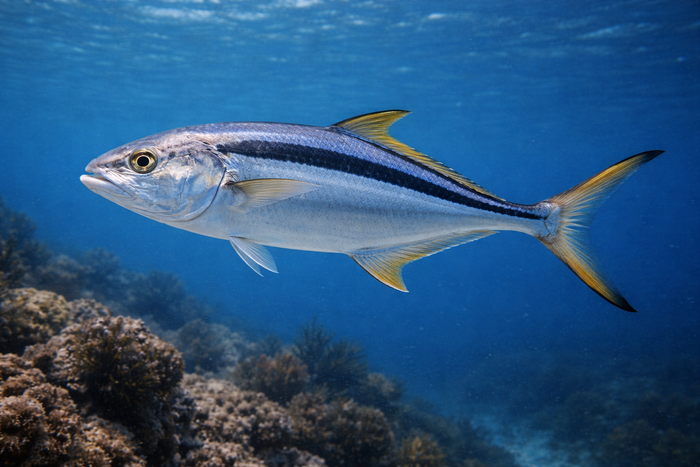
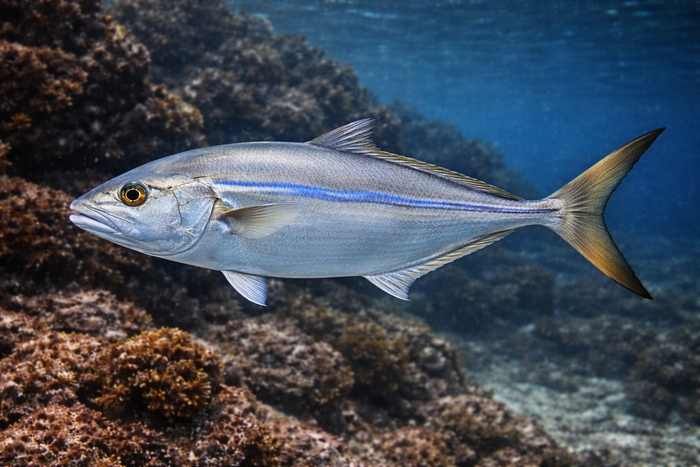
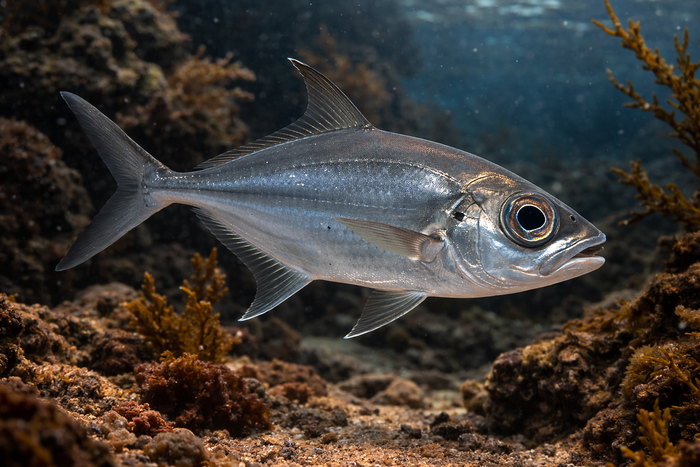
The Horse Eyed Jack stands out immediately due to its oversized, horse-like eyes—hence the name. These eyes aren’t just for show; they provide enhanced vision in murky or dim waters, giving this fish a predatory edge. Its body is deep and compressed, covered in silvery scales that shimmer with hints of blue and green, making it a flash of silver darting through the water.
Unlike many jacks, the Horse Eyed Jack has a distinctive black spot on its gill cover and a dark blotch near the base of its tail fin. These markings are key identifiers for anglers and biologists alike. Behaviorally, it’s a fast, aggressive hunter, often found in schools but capable of striking out solo. Its diet is varied, including smaller fish, crustaceans, and cephalopods, showcasing a versatile feeding strategy.
Habitat & Global Range
Horse Eyed Jack habitat spans the warm, coastal waters of the western Atlantic Ocean. From the southeastern United States, through the Gulf of Mexico, and down to northern South America, this species thrives in tropical and subtropical environments. It prefers shallow waters, often around reefs, rocky outcrops, and sandy bottoms, but can also be found near estuaries and mangroves.
This jack is a coastal specialist, rarely venturing into the open ocean. Its affinity for structured habitats provides ample hunting grounds and protection from larger predators. The Horse Eyed Jack’s presence is a reliable indicator of healthy nearshore ecosystems, where it plays a pivotal role in maintaining balance.
Behavior & Temperament
Don’t mistake the Horse Eyed Jack’s schooling behavior for docility. These fish are aggressive hunters with lightning-fast reflexes. They often form mid-sized schools, which can number from a few dozen to several hundred individuals, especially during feeding or spawning periods. This schooling provides safety in numbers but also allows coordinated attacks on prey.
Their temperament is bold and territorial, particularly during breeding seasons. They exhibit rapid bursts of speed to chase down prey or evade threats. Anglers prize the Horse Eyed Jack for its fight, as it puts up a spirited battle on the line. Its keen eyesight and quick movements make it a challenging catch, rewarding those who understand its habits.
Ecological Importance
The Horse Eyed Jack is a mid-level predator, crucial for controlling populations of smaller fish and invertebrates. By keeping prey species in check, it helps maintain the delicate balance of coastal food webs. This balance supports the health of coral reefs and seagrass beds, which are vital habitats for countless marine organisms.
Additionally, the Horse Eyed Jack serves as prey for larger predators such as sharks and larger pelagic fish. This dual role as predator and prey cements its place as a key species in its ecosystem. Its presence signals a robust, functioning coastal environment, making it an important species for ecological monitoring.
Conservation & Environmental Pressures
While not currently listed as endangered, the Horse Eyed Jack faces several environmental pressures. Coastal development, pollution, and habitat degradation threaten the shallow waters it calls home. Mangrove destruction and reef damage reduce the available shelter and hunting grounds, impacting population stability.
Overfishing is a concern in some areas, as the Horse Eyed Jack is targeted both for sport and commercial purposes. Its aggressive fight makes it a favorite among anglers, but without proper management, localized depletion can occur. Climate change also poses a long-term threat by altering water temperatures and affecting the distribution of prey species.
Sustainable fishing practices and habitat protection are essential to ensure the Horse Eyed Jack remains a thriving part of coastal ecosystems. Conservation efforts must focus on preserving the integrity of nearshore habitats and regulating harvest levels to prevent population declines.
The FishyAF Take
The Horse Eyed Jack is a standout species that demands respect. Its bold eyes and aggressive nature make it a memorable catch and a vital player in coastal marine ecosystems. Understanding Horse Eyed Jack facts and habitat preferences isn’t just trivia—it’s the key to appreciating how this fish fits into the bigger picture of ocean health.
For anglers, it offers a thrilling challenge. For conservationists, it’s a barometer of ecosystem vitality. And for the curious, it’s a reminder that the ocean’s complexity is often embodied in species that don’t always get the spotlight. Keep an eye out for the Horse Eyed Jack next time you’re near tropical shores—it’s a silver bullet that never fails to impress.