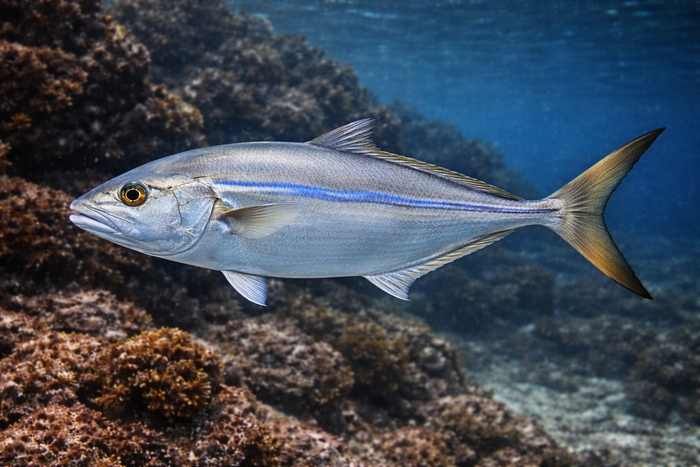
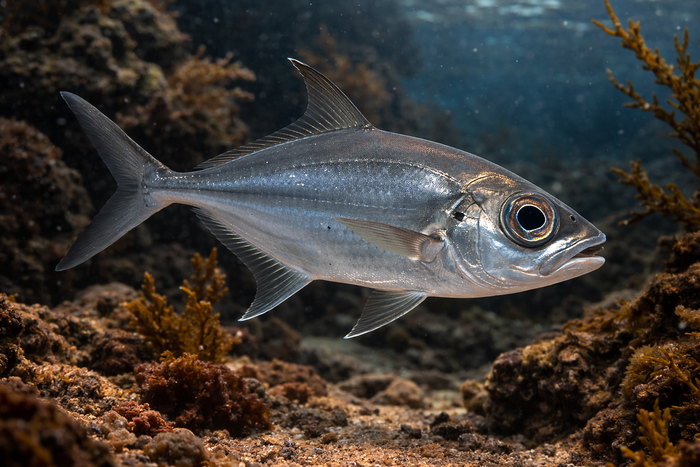
Yellow Jack (Carangoides bartholomaei): The Flashy Speedster of Coastal Waters
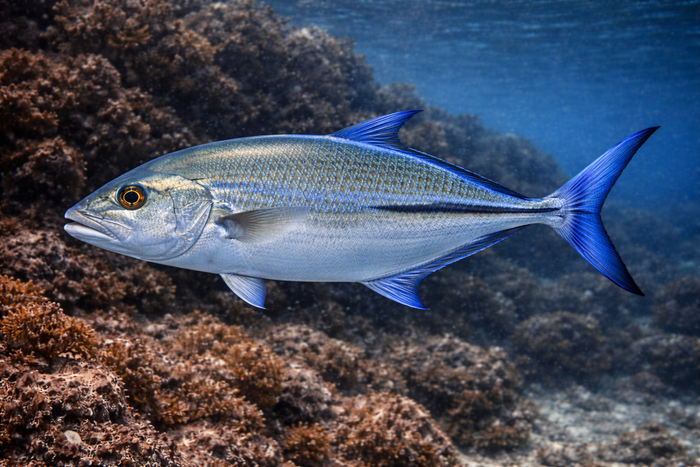
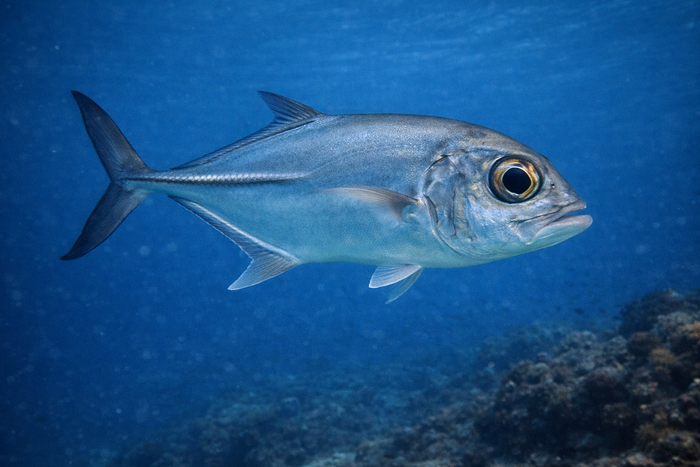
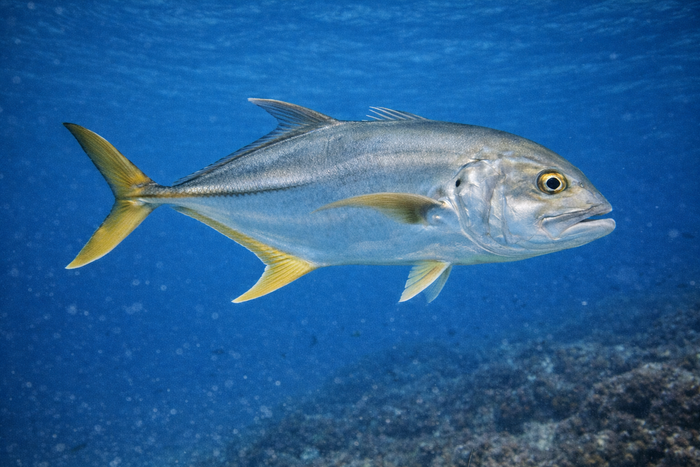
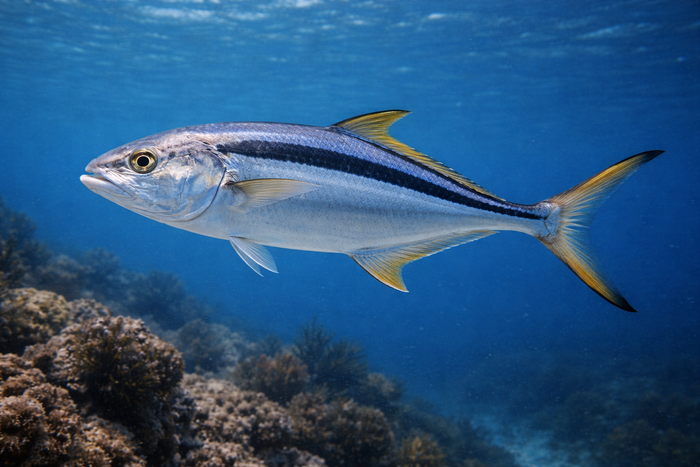
The Yellow Jack is not your average reef dweller. Sporting a sleek, silvery body with a signature yellow tint that earns it its name, this fish is a powerhouse of speed and agility. Known scientifically as Carangoides bartholomaei, the Yellow Jack commands attention both for its striking appearance and its role in coastal ecosystems. Whether you’re a seasoned angler, a marine enthusiast, or just curious about the ocean’s fast movers, understanding the Yellow Jack offers a glimpse into a fish that’s as bold as its color.
What Makes the Yellow Jack Unique?
Yellow Jacks stand out with their streamlined bodies and a vibrant yellow sheen that intensifies along their fins and tail. This is no accident; their coloration provides camouflage in sun-dappled waters and flashes of yellow confuse predators and prey alike. Unlike some of their slower reef cousins, Yellow Jacks are built for speed, with a deeply forked tail and powerful muscles that let them dart through water with precision.
They’re also opportunistic feeders, not picky eaters. Their diet includes smaller fish, crustaceans, and cephalopods, showcasing a versatile hunting strategy. This adaptability is a key reason they thrive in varied environments. Another unique trait is their schooling behavior. Yellow Jacks often form tight, coordinated groups, which not only confuses predators but also improves their hunting efficiency.
Habitat & Global Range
Yellow Jack habitat spans the warm coastal waters of the western Atlantic Ocean. From the eastern coast of the United States, down through the Caribbean, and along the northern coast of South America, these fish are a common sight. They prefer shallow waters near reefs, wrecks, and rocky outcrops but are not strangers to open water or estuaries.
Their presence in both nearshore and offshore environments speaks to their adaptability. Juveniles often hang around mangroves and seagrass beds, which provide shelter and abundant food sources. Adults venture into deeper waters but rarely stray far from structures that offer protection and hunting grounds. This preference for structurally complex habitats is a hallmark of Yellow Jack habitat, making them a key species in reef-associated ecosystems.
Behavior & Temperament
Yellow Jacks are fast, aggressive hunters with a no-nonsense attitude. They’re not shy about chasing down prey or defending their turf. Their schooling behavior is a tactical move—there’s safety and strength in numbers. When hunting, they coordinate attacks, corralling smaller fish into tight balls before striking.
Despite their aggressive feeding style, Yellow Jacks are not overly territorial. They tolerate conspecifics and even other species within their schools, which can include other jacks and snappers. This social flexibility helps them exploit food resources efficiently.
They are also known for their curious nature. Divers often report Yellow Jacks approaching closely, inspecting intruders with a mix of caution and interest. This behavior makes them a favorite among underwater photographers and anglers alike.
Ecological Importance
Yellow Jacks play a critical role in maintaining the balance of coastal marine ecosystems. As mid-level predators, they help regulate populations of smaller fish and invertebrates, preventing any one species from dominating the reef environment. This predation pressure maintains biodiversity and promotes healthy reef dynamics.
Their schooling behavior also influences the behavior of prey species, shaping the structure of the local food web. By preying on a range of species, Yellow Jacks contribute to nutrient cycling and energy flow within their habitats.
Moreover, Yellow Jacks serve as prey for larger predators, including sharks and larger game fish, positioning them as an important link in the marine food chain. Their presence indicates a healthy, functioning ecosystem, making them a valuable species for ecological monitoring.
Conservation & Environmental Pressures
While Yellow Jacks are not currently listed as endangered, they face several environmental pressures that could impact their populations. Overfishing is a significant concern, especially in regions where they are targeted by commercial and recreational fisheries. Their schooling nature makes them vulnerable to net fishing techniques that can capture large numbers at once.
Habitat degradation is another threat. Coastal development, pollution, and coral reef decline reduce the availability of suitable Yellow Jack habitat. Mangrove destruction and seagrass bed loss also affect juvenile survival rates, potentially leading to population declines.
Climate change adds another layer of complexity. Rising sea temperatures and ocean acidification can alter prey availability and habitat conditions, forcing Yellow Jacks to adapt or relocate. Monitoring these changes is crucial for managing Yellow Jack populations sustainably.
The FishyAF Take
Yellow Jacks are the quintessential coastal speedsters—fast, flashy, and fiercely efficient. They embody the dynamic energy of tropical and subtropical waters, thriving where structure meets open water. Their adaptability in diet and habitat, combined with their social schooling tactics, makes them a fascinating subject for anyone interested in marine life.
If you’re fishing for Yellow Jack facts, remember this: their bold coloration and aggressive hunting style are evolutionary tools that have earned them a solid spot in the marine food web. Their presence signals healthy reef systems, but they’re not invincible. Responsible fishing and habitat protection are essential to keep these yellow-hued predators darting through our coastal waters for generations to come.
In short, the Yellow Jack is a fish that demands respect—both for its ecological role and its undeniable charisma. Whether you’re tracking them underwater or battling one on a line, you’re engaging with a species that’s as smart as it is swift.