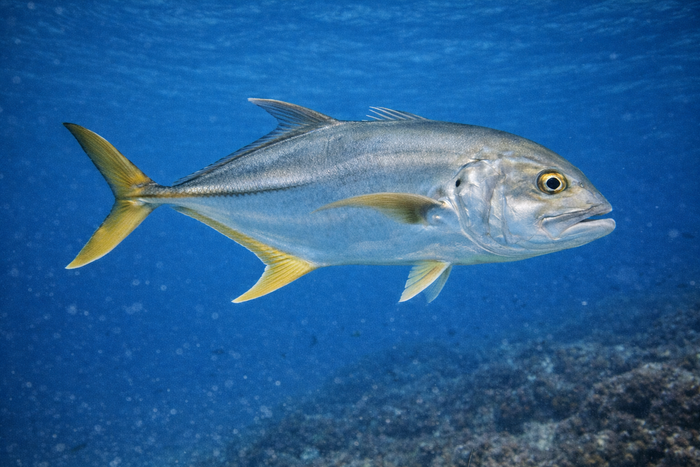
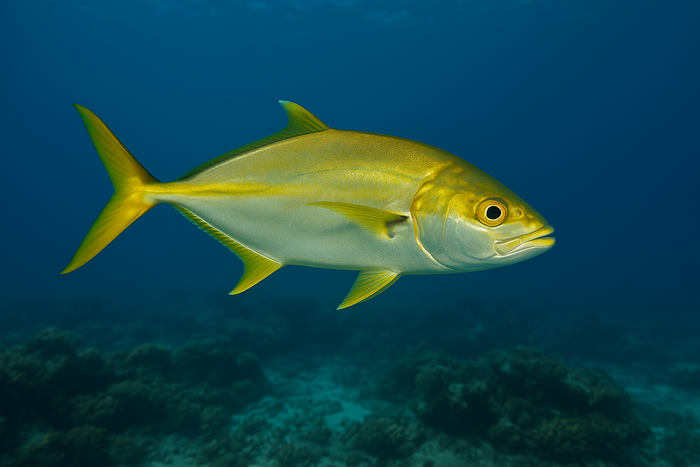
Rainbow Runner (Elagatis bipinnulata): The Speed Demon Painted in Neon
The Rainbow Runner is not your average ocean dweller. Sleek, fast, and sporting a dazzling palette of blues, greens, and yellows, this fish commands attention wherever it swims. Known scientifically as Elagatis bipinnulata, the Rainbow Runner is a pelagic powerhouse found in warm waters worldwide. Its streamlined body and relentless energy make it a favorite among sport fishers and a critical player in marine ecosystems. If you want to know what makes this fish tick, stick around for some sharp Rainbow Runner facts that go beyond the surface.
What Makes the Rainbow Runner Unique?
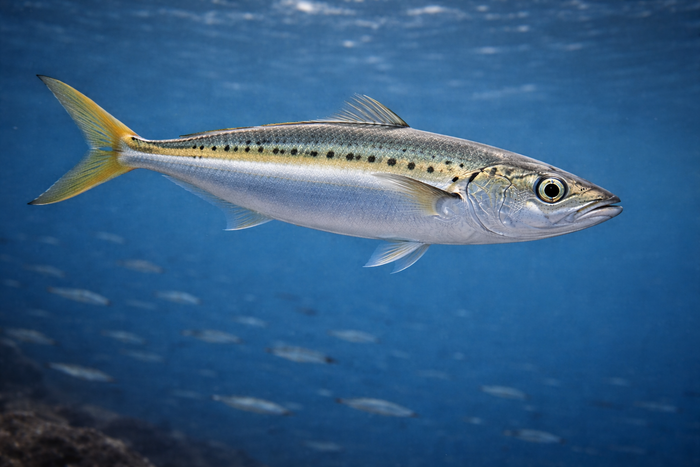
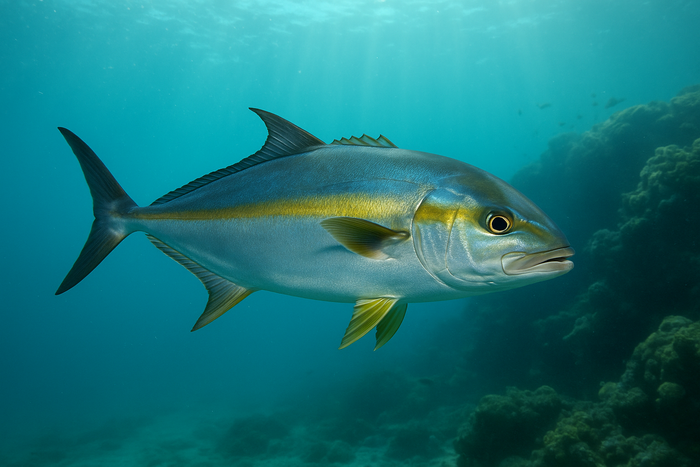
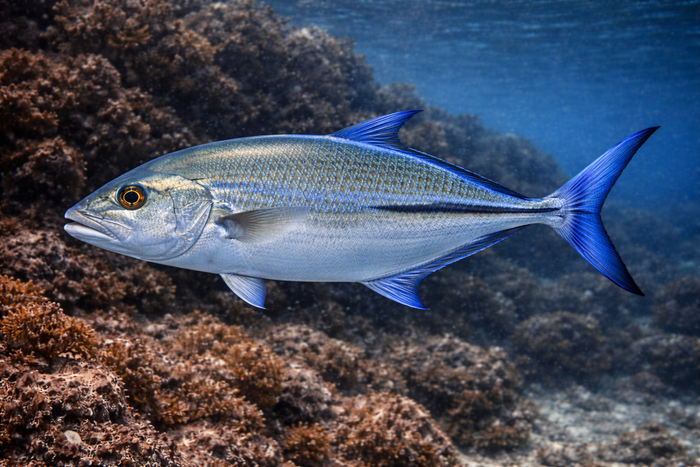
The Rainbow Runner stands out for its striking coloration and exceptional speed. Unlike many reef fish that rely on camouflage, this species flaunts iridescent blue and green hues with a yellow stripe running along its side, earning its colorful name. But looks aren’t everything. This fish is built for velocity, with a slender, torpedo-shaped body and deeply forked tail that slice through water with minimal resistance.
Its anatomy supports sustained bursts of speed, making it a relentless hunter and a tough catch. The Rainbow Runner’s diet is opportunistic, feeding on smaller fish, squid, and crustaceans. Its sharp teeth and quick reflexes allow it to snap up prey with precision. This combination of speed, agility, and vibrant coloration makes it a standout species in the open ocean.
Habitat & Global Range
Rainbow Runner habitat spans tropical and subtropical waters around the globe. You’ll find them cruising the Atlantic, Pacific, and Indian Oceans, often near offshore islands, seamounts, and coral reefs. They prefer the upper layers of the water column, typically between 10 and 100 meters deep, where they can hunt and school efficiently.
These fish are highly migratory, following warm currents and abundant food sources. Their presence is a reliable indicator of healthy pelagic ecosystems. Rainbow Runners often form large schools, sometimes mixing with other fast pelagic species, which enhances their hunting success and offers protection from larger predators.
Behavior & Temperament
Rainbow Runners are fast, fearless, and social. They are known for their schooling behavior, which provides safety in numbers and improves their ability to chase down prey. Unlike solitary predators, these fish coordinate movements to herd smaller fish into tight groups before striking.
Their temperament is aggressive when hunting but generally non-territorial. They don’t waste energy defending a fixed home range, instead roaming vast areas in search of food. This nomadic lifestyle means they are adaptable and resilient, able to exploit shifting ocean conditions.
For anglers, Rainbow Runners are prized for their fight. They put up a strong, fast-paced battle on the line, making them a thrilling catch. Their speed and stamina are legendary, requiring skill and patience to reel them in.
Ecological Importance
Rainbow Runners play a vital role in marine food webs. As mid-level predators, they help regulate populations of smaller fish and invertebrates, maintaining balance in pelagic ecosystems. Their hunting keeps prey species in check, preventing any one group from dominating and disrupting the food chain.
They also serve as prey for larger predators like tunas, sharks, and billfish. This dual role as predator and prey makes them a crucial link in oceanic energy transfer. Their schooling behavior can influence the distribution and behavior of other species, highlighting their ecological significance.
Conservation & Environmental Pressures
Despite their widespread distribution, Rainbow Runners face challenges from overfishing and habitat degradation. They are often caught as bycatch in commercial fisheries targeting larger pelagic species. Their popularity among sport fishers adds pressure, especially in regions where fishing regulations are lax or poorly enforced.
Climate change poses another threat by altering ocean temperatures and currents, which can disrupt Rainbow Runner habitat and migration patterns. Coral reef degradation also impacts the ecosystems they rely on for food and shelter.
Conservation efforts focus on sustainable fishing practices and protecting critical habitats. Monitoring Rainbow Runner populations helps gauge the health of pelagic ecosystems and informs management decisions. Responsible angling and adherence to catch limits are essential to ensure this vibrant species remains a fixture in our oceans.
The FishyAF Take
The Rainbow Runner is a fish that demands respect. It’s a perfect blend of beauty, speed, and ecological importance. Whether you’re a fisherman chasing a thrilling fight or a marine enthusiast fascinated by ocean dynamics, this species offers something compelling. Its vibrant colors and relentless energy make it unforgettable, but it’s the role it plays beneath the waves that truly sets it apart.
Understanding Rainbow Runner facts and habitat is more than trivia—it’s a window into the health of our oceans. Protecting this species means preserving the delicate balance of pelagic ecosystems that countless marine creatures depend on. The Rainbow Runner is a reminder that the ocean’s most dazzling performers are often the ones working hardest behind the scenes. Keep an eye out for this neon speedster next time you’re near warm offshore waters. It’s a fish that’s as bold as it is essential.