Amberjack (Seriola dumerili): The Ocean’s Muscle with a Mind of Its Own
Amberjack isn’t just another fish in the sea. This powerhouse species, Seriola dumerili, commands respect from anglers and marine biologists alike. Known for its robust build and fierce fight, the amberjack is a staple of offshore fishing and a key player in marine ecosystems. If you want to understand what makes a fish both a predator and a prize, the amberjack is your go-to. Let’s dive into the facts that make this species stand out.
What Makes the Amberjack Unique?
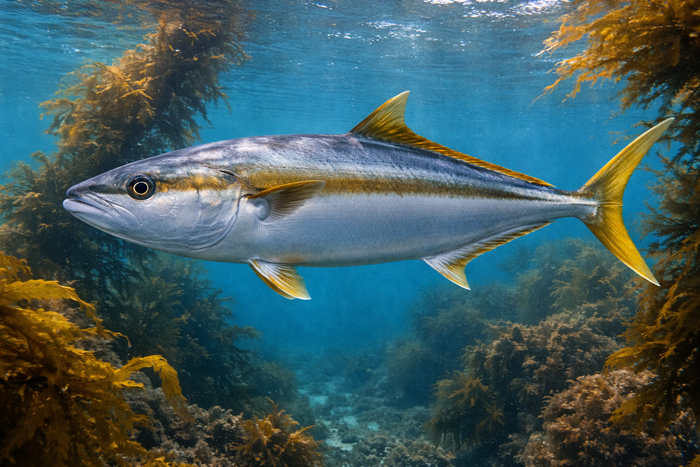
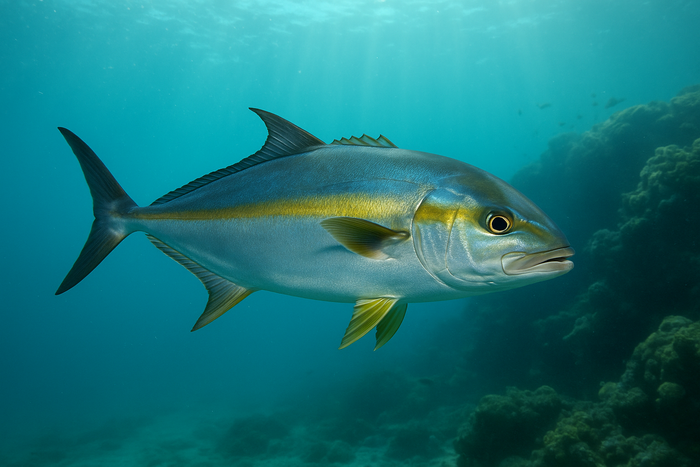
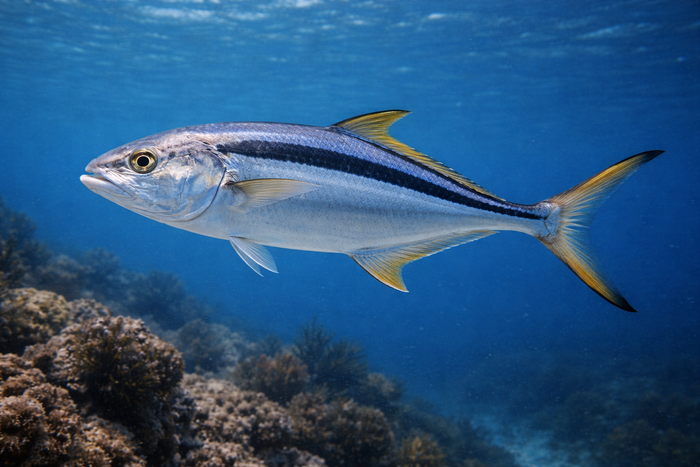
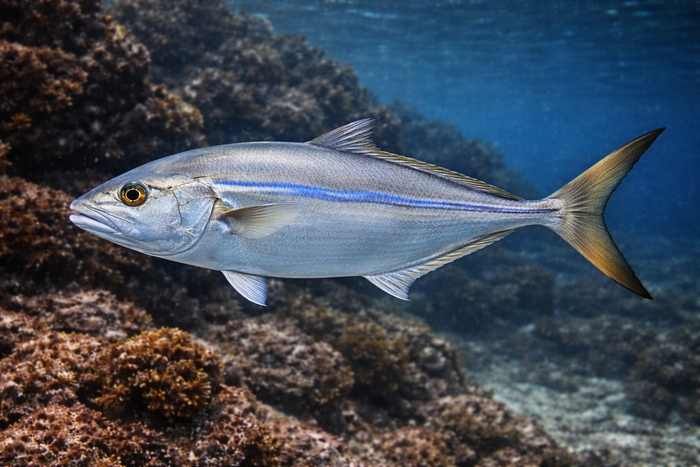
Amberjack is a master of muscle and speed. Its torpedo-shaped body and strong tail give it explosive bursts of power, making it a formidable hunter and a challenging catch. Unlike many fish that rely on stealth, amberjacks use brute force and agility to ambush prey. Their coloration—metallic blue-gray on top fading to silver—provides perfect camouflage in open water, blending with the shifting ocean light.
Another standout feature is their size and longevity. Amberjacks can grow impressively large, with some individuals tipping the scales at over 80 pounds. This size, combined with their aggressive nature, makes them apex predators in their habitat. Their diet is equally diverse, ranging from smaller fish to squid, showcasing their adaptability.
Habitat & Global Range
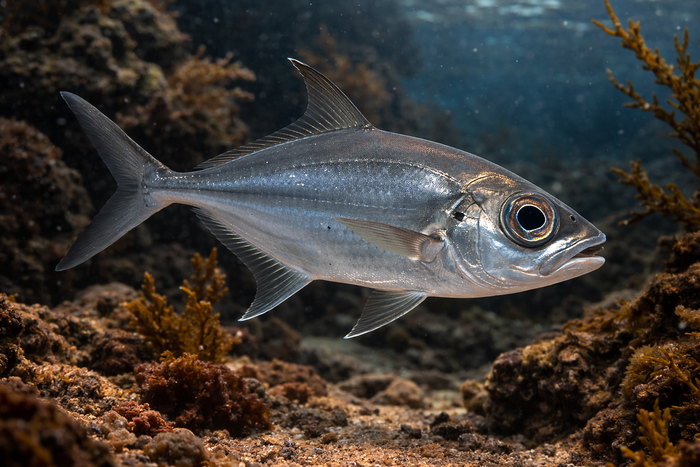
Amberjack habitat is predominantly offshore, favoring rocky reefs, wrecks, and ledges where they can hide and hunt. They are widely distributed across subtropical and tropical waters worldwide, thriving in the Atlantic, Pacific, and Indian Oceans. In the Atlantic, they’re commonly found from the eastern coast of the United States down through the Caribbean and into the Gulf of Mexico.
These fish prefer depths between 20 and 200 meters, often hanging around structures that provide cover and hunting grounds. Their affinity for complex underwater landscapes is no accident—they use these environments to ambush prey and avoid larger predators. Seasonal migrations are common, with amberjacks moving closer to shore during warmer months to spawn.
Behavior & Temperament
Amberjack behavior is a mix of aggression and strategic hunting. They are solitary hunters but can sometimes be found in small groups, especially juveniles. Their temperament is bold and territorial, which explains why they’re notorious for putting up a fight when hooked.
They rely on speed and surprise rather than endurance. When chasing prey, amberjacks use quick bursts of movement to close the gap, then snap up their target with powerful jaws. This aggressive hunting style also translates to their reaction when caught—expect a hard, relentless battle on the line.
Ecological Importance
Amberjack plays a crucial role in maintaining the balance of marine food webs. As mid-to-top level predators, they regulate populations of smaller fish and invertebrates, preventing any one species from dominating the ecosystem. This control helps sustain biodiversity and the health of reef systems.
Their presence also supports commercial and recreational fisheries, contributing to local economies and food security. Healthy amberjack populations indicate robust marine environments, making them valuable indicators for ecosystem monitoring.
Conservation & Environmental Pressures
Despite their resilience, amberjacks face significant environmental pressures. Overfishing is the primary threat, driven by their popularity among sport fishers and commercial operations. Unsustainable harvests can deplete local populations, disrupting ecological balance and reducing genetic diversity.
Habitat degradation is another concern. Coastal development, pollution, and climate change impact the reefs and wrecks amberjacks depend on for shelter and spawning. Ocean warming and acidification may alter their distribution and reproductive success, though the full extent remains under study.
Management efforts include size and bag limits, seasonal closures, and protected areas to safeguard amberjack habitat. These measures aim to balance human use with long-term species survival, but enforcement and compliance vary globally.
The FishyAF Take
Amberjack is not your average fish. It’s a symbol of strength, strategy, and survival in the open ocean. For anglers, it’s the ultimate test of skill and stamina. For ecologists, it’s a vital cog in the marine machine. Understanding amberjack facts and their habitat is essential for anyone serious about ocean conservation or offshore fishing.
If you want a fish that demands respect and delivers excitement, amberjack is it. But remember, with great power comes great responsibility. Sustainable fishing and habitat protection are non-negotiable if we want amberjacks to keep ruling the reefs and wrecks for generations to come. Keep your lines tight and your ethics tighter.