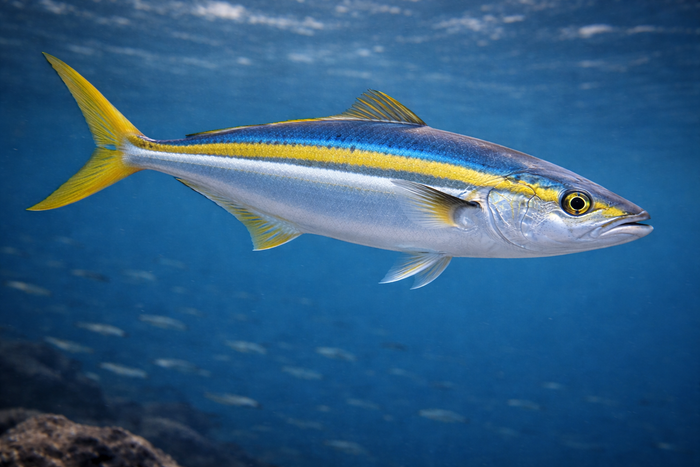
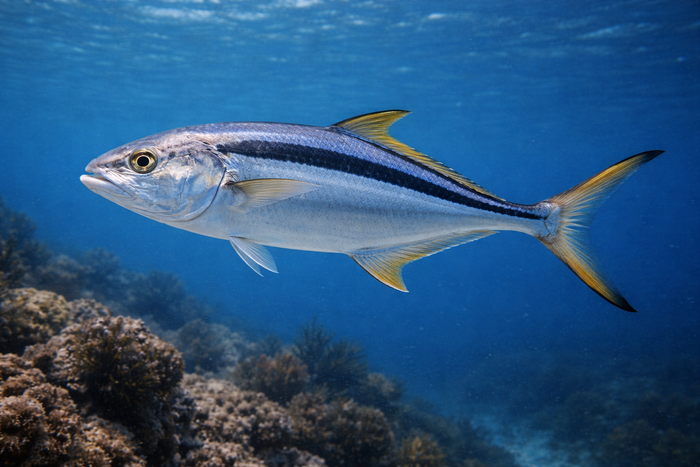
Yellowtail (Seriola lalandi): The Ocean’s Speed Demon with a Golden Flash
Yellowtail, scientifically known as Seriola lalandi, is a powerhouse of the pelagic world. This sleek, fast-swimming predator commands attention with its vibrant yellow tail and streamlined body. Whether you’re an angler chasing a trophy or a marine enthusiast eager to learn, understanding the Yellowtail’s biology and behavior is essential. This species is not just another fish in the sea; it’s a dynamic player in marine ecosystems and a prized catch worldwide.
What Makes the Yellowtail Unique?
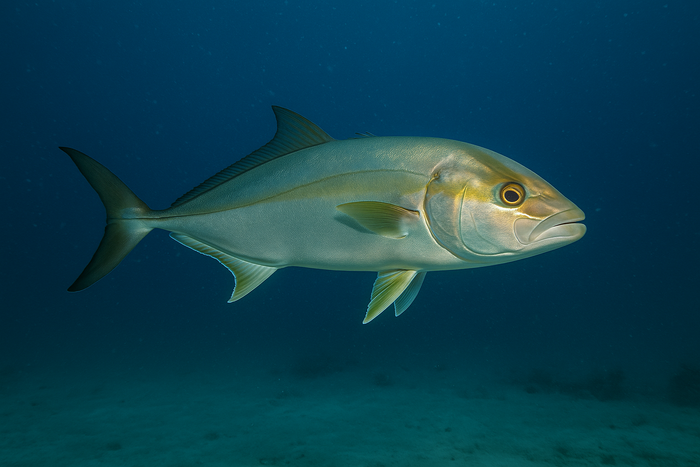
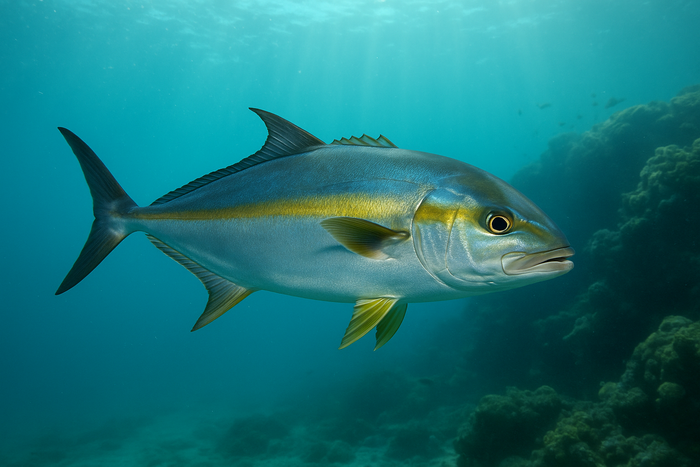
Yellowtail stands out for its combination of speed, strength, and striking appearance. Its bright yellow tail fin is more than just a splash of color—it’s a signature feature that helps identify the species across vast ocean expanses. Unlike many fish, Yellowtail has a robust, torpedo-shaped body built for rapid bursts of speed, making it a formidable predator.
One of the most fascinating Yellowtail facts is its remarkable adaptability. It thrives in a variety of marine environments, from coastal reefs to offshore waters. This flexibility is paired with a diet that shifts as the fish grows, starting with smaller prey like crustaceans and evolving to larger fish and squid. This dietary shift reflects its role as both predator and prey in the food web.
Habitat & Global Range
Yellowtail habitat spans temperate and subtropical waters around the globe. You’ll find Seriola lalandi in the Pacific Ocean, from Japan and Korea down to Australia and New Zealand, and along the coasts of California and Mexico. It also inhabits parts of the southern Atlantic and Indian Oceans.
This species prefers coastal areas with rocky reefs, kelp forests, and offshore islands where currents bring abundant food. Yellowtail habitat is often characterized by moderate depths, typically between 10 and 100 meters, but they are known to venture deeper when chasing prey or during seasonal migrations.
Their presence in diverse habitats speaks to their resilience and adaptability. They can tolerate a range of temperatures and salinities, which helps explain their wide distribution. Seasonal movements are common, with Yellowtail often migrating to warmer waters during colder months, following prey availability and spawning needs.
Behavior & Temperament
Yellowtail behavior is a blend of aggression and social complexity. These fish are known for their fast, powerful swimming and impressive hunting tactics. They often hunt in small groups, coordinating attacks on schools of baitfish with precision and speed. This cooperative behavior increases their hunting success and showcases a level of social interaction not always expected in fish.
Despite their predatory nature, Yellowtail can be curious and sometimes approach divers or boats. However, they are not domesticated and will quickly bolt if threatened. Their temperament is best described as bold but cautious—ready to strike but always aware of potential danger.
During spawning season, Yellowtail gather in large aggregations, which can be a spectacular sight. These gatherings are critical for reproduction but also make them vulnerable to overfishing.
Ecological Importance
Yellowtail plays a crucial role in marine ecosystems as both predator and prey. By feeding on smaller fish, squid, and crustaceans, they help regulate populations and maintain balance in the food web. Their predation pressure can influence the behavior and distribution of prey species, which in turn affects the broader ecological community.
As prey, juvenile Yellowtail provide sustenance for larger predators such as sharks, larger fish, and marine mammals. This dual role underscores their importance in energy transfer within marine environments.
Moreover, Yellowtail’s presence is often an indicator of healthy coastal ecosystems. Their reliance on kelp forests and rocky reefs ties their survival to the condition of these habitats, making them a valuable species for monitoring environmental health.
Conservation & Environmental Pressures
Despite their resilience, Yellowtail face mounting environmental pressures. Overfishing is the most significant threat, especially during spawning aggregations when they are most vulnerable. Commercial and recreational fisheries target Yellowtail for their prized flesh, leading to population declines in some regions.
Habitat degradation also poses risks. Coastal development, pollution, and climate change impact the kelp forests and reef systems that Yellowtail depend on. Rising ocean temperatures and acidification can alter prey availability and disrupt migration patterns.
Conservation efforts focus on sustainable fishing practices, including size and catch limits, seasonal closures, and marine protected areas. Monitoring Yellowtail populations and habitat health is critical to ensuring this species remains a thriving part of marine biodiversity.
The FishyAF Take
Yellowtail is a fish that demands respect. It’s fast, smart, and adaptable—a true apex predator in many coastal waters. Understanding Yellowtail facts and habitat nuances is essential for anglers, conservationists, and anyone fascinated by marine life. This species is a reminder that the ocean’s complexity is built on relationships between predators and prey, habitats and migrations.
If you’re chasing Yellowtail, know that you’re engaging with a fish that has evolved to dominate its niche. Protecting their populations means protecting the ecosystems they inhabit. The Yellowtail’s future depends on smart management and a commitment to preserving the marine environments that make their bold, golden flash possible.