Haddock (Melanogrammus aeglefinus): The North Atlantic’s Silver-Lined Workhorse
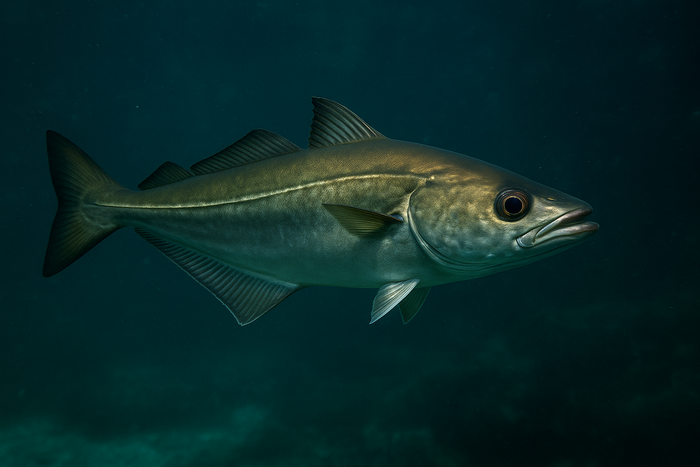
Haddock is no wallflower in the world of cold-water fish. Known for its distinctive black lateral line and a bold, dark blotch above the pectoral fin—often called the “devil’s thumbprint”—this species has carved out a reputation as a staple of northern fisheries and a favorite on plates worldwide. Melanogrammus aeglefinus is more than just a tasty catch; it’s a resilient player in marine ecosystems and a subject of ongoing conservation interest. If you want to know what sets the haddock apart, where it thrives, and why it matters, you’re in the right place.
What Makes the Haddock Unique?
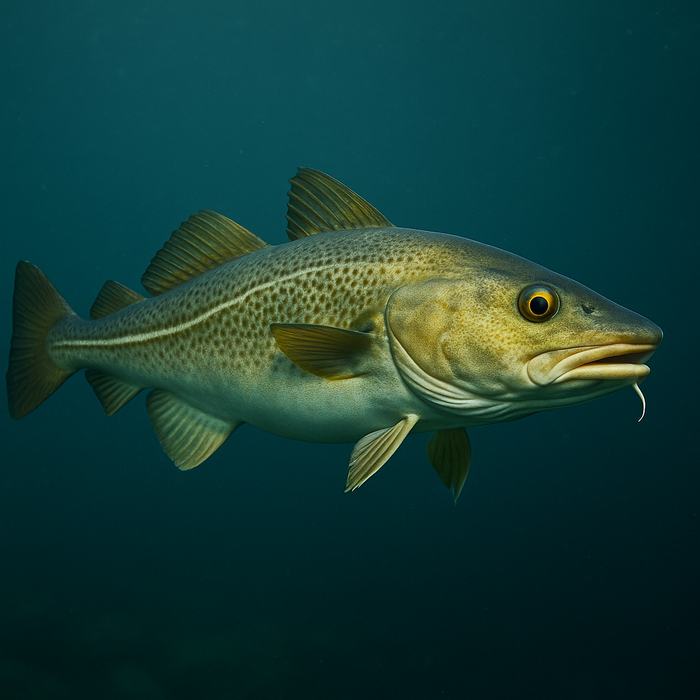
Haddock stands out with its sleek, silvery body and that unmistakable black lateral line running from gill to tail. The “devil’s thumbprint” isn’t just a quirky mark; it’s a reliable ID feature that separates haddock from its close relatives like cod and pollock. Unlike many fish that rely on camouflage or speed, haddock combines moderate swimming ability with a benthic lifestyle, often skimming the ocean floor in search of food.
Its diet is a diverse buffet—small fish, crustaceans, and mollusks—making it an opportunistic predator. Haddock’s reproductive strategy is also notable: it produces vast numbers of eggs, which float freely in the water column, increasing the odds of survival in the unpredictable North Atlantic. This reproductive abundance has historically supported robust populations, though that’s changing.
Habitat & Global Range
Haddock habitat is firmly anchored in the cold, temperate waters of the North Atlantic. You’ll find them from the eastern shores of North America, spanning from the Gulf of Maine up to Newfoundland and Labrador, and across the pond from Iceland down to the British Isles and the Barents Sea. They prefer continental shelf areas where the water depth ranges from shallow coastal zones to about 300 meters deep.
The ocean floor is their playground—muddy or sandy substrates where they can hunt and hide. Haddock habitat is characterized by cold temperatures, typically between 2 and 10 degrees Celsius, which suits their physiology and feeding habits. Seasonal migrations are part of their life cycle, moving inshore to spawn and offshore to feed, following the shifting bounty of the sea.
Behavior & Temperament
Haddock are social fish, often found schooling in large groups. This schooling behavior offers protection from predators and increases feeding efficiency. They are primarily bottom dwellers but can be found mid-water during certain life stages or feeding events.
Their temperament is cautious but not overly skittish. Haddock rely on their schooling and camouflage rather than speed to evade threats. They are opportunistic feeders, adjusting their diet based on availability, which shows behavioral flexibility—a key to surviving in the variable North Atlantic environment.
Ecological Importance
Haddock play a critical role in their ecosystem as both predator and prey. By feeding on benthic invertebrates and small fish, they help regulate those populations, maintaining a balance on the ocean floor. In turn, haddock are a significant food source for larger predators like cod, seals, and seabirds.
Their position in the food web makes them a key indicator species for the health of North Atlantic marine environments. Changes in haddock populations often reflect broader shifts in ocean conditions, prey availability, and predator dynamics. This ecological role underscores why understanding haddock facts is essential for marine management.
Conservation & Environmental Pressures
Despite their historical abundance, haddock populations have faced significant pressures from overfishing, habitat degradation, and climate change. Intensive commercial fishing, especially trawling, has reduced numbers in some regions, leading to stricter quotas and management efforts.
Climate change adds another layer of complexity. Rising sea temperatures and shifting currents affect haddock habitat, spawning success, and prey distribution. Ocean acidification also threatens the benthic organisms haddock rely on for food. Conservation strategies now focus on sustainable fishing practices, habitat protection, and monitoring population dynamics to ensure haddock remain a viable species.
The FishyAF Take
Haddock is a fish that demands respect—not just for its culinary appeal but for its ecological significance and resilience. It’s a species that thrives in tough conditions, adapts its behavior to survive, and plays a pivotal role in the North Atlantic’s marine tapestry. Understanding haddock facts and habitat is crucial for anyone serious about marine conservation or fisheries management.
If you’re after a fish that’s more than just dinner, haddock offers a story of survival, adaptation, and the delicate balance of ocean life. Treat it well, fish it wisely, and you’ll keep this silver-lined workhorse swimming strong for generations to come.