Cabezon (Scorpaenichthys marmoratus): The Rocky Shore’s Own Master of Disguise and Power
The cabezon is not your average coastal fish. With a name that translates to “big head” in Spanish, this marine heavyweight boasts a massive cranium packed with sharp teeth and a personality that’s as bold as its appearance. Found along the Pacific coastline of North America, the cabezon is a staple in rocky intertidal zones and kelp forests, making it a fascinating subject for anglers, marine biologists, and seafood enthusiasts alike. This species guide dives deep into cabezon facts, exploring what sets this fish apart and why it matters in its ecosystem.
What Makes the Cabezon Unique?
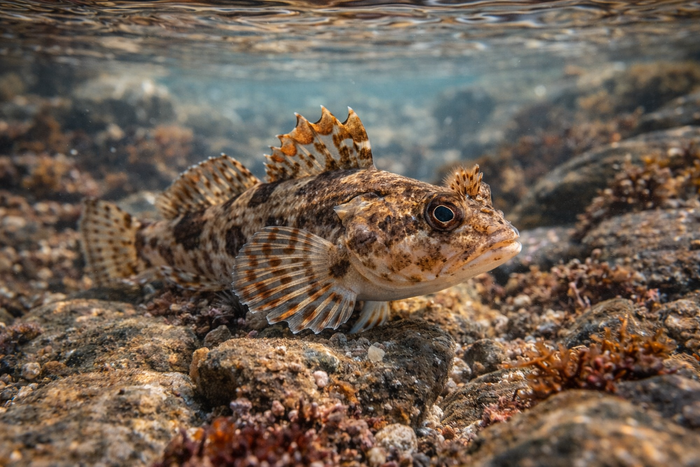
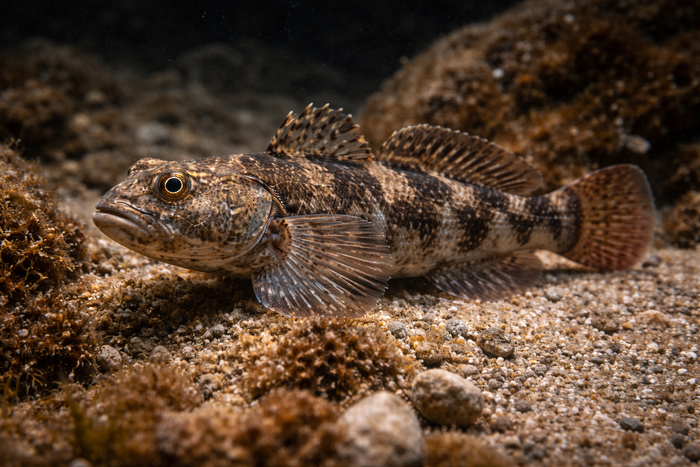
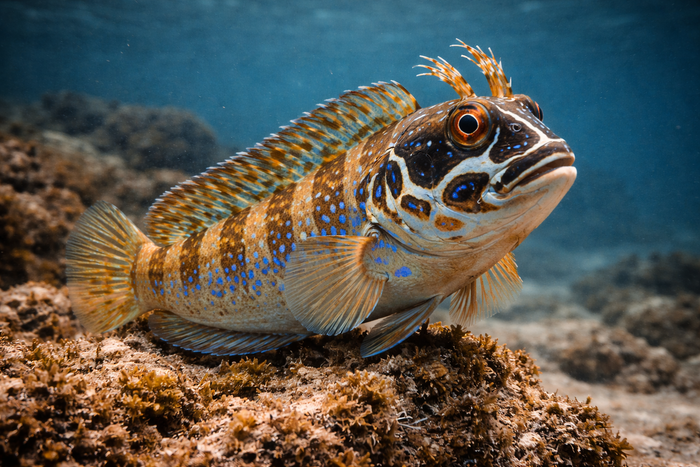
First off, the cabezon’s head is a showstopper. Its bulbous, bony skull isn’t just for show; it houses a powerful jaw lined with sharp teeth designed to crush crustaceans, mollusks, and smaller fish. Unlike many sculpins, the cabezon can grow impressively large, often tipping the scales at over 10 pounds. Its mottled skin, ranging from greenish-brown to reddish hues, provides excellent camouflage against rocky substrates and kelp beds, making it a stealthy predator.
Another standout feature is the presence of venomous spines. The dorsal fin is lined with spines that can deliver a painful sting if mishandled. This defense mechanism deters predators and warns careless fishermen to handle with respect. The cabezon’s ability to blend into its environment while packing a venomous punch makes it a unique player in its coastal habitat.
Habitat & Global Range
The cabezon’s habitat is a lesson in coastal adaptation. It thrives in the rocky intertidal zones and shallow subtidal areas along the Pacific coast, stretching from Alaska down to Baja California. This range covers a variety of temperate marine environments, but the cabezon shows a clear preference for complex habitats like kelp forests, rocky reefs, and tide pools.
Cabezon habitat is characterized by abundant hiding spots and rich food sources. The fish is often found lurking near crevices, under rocks, or amidst dense kelp where it can ambush prey. Its presence in these habitats underscores its role as a benthic predator, relying on both stealth and brute force to capture meals.
Behavior & Temperament
Cabezon behavior is a mix of territoriality and opportunism. These fish are generally solitary and fiercely protective of their chosen spots. They don’t roam far, preferring to stake out a territory rich in food and shelter. When it comes to hunting, the cabezon is an ambush predator. It waits patiently, blending into the environment, before striking with a quick snap of its powerful jaws.
Despite its intimidating appearance, the cabezon is not aggressive towards humans unless provoked or handled improperly. Its venomous spines serve as a warning rather than an offensive weapon. During spawning season, males guard nests of eggs aggressively, showcasing a level of parental investment rare among fish.
Ecological Importance
The cabezon plays a critical role in maintaining the balance of nearshore ecosystems. As a top benthic predator, it helps regulate populations of invertebrates like crabs, snails, and sea urchins, which can otherwise overgraze kelp forests and disrupt habitat structure. By keeping these populations in check, the cabezon indirectly supports the health and diversity of kelp ecosystems, which are vital nurseries for many marine species.
Additionally, cabezon serve as prey for larger predators such as sea otters and sharks, positioning them as an important link in the coastal food web. Their presence signals a healthy, functioning ecosystem where predator-prey dynamics remain intact.
Conservation & Environmental Pressures
While the cabezon is not currently listed as endangered or threatened, it faces pressures from habitat degradation, pollution, and overfishing in some areas. Coastal development and sedimentation can reduce the quality of rocky habitats and kelp forests, directly impacting cabezon populations. Additionally, bycatch in commercial fisheries and unregulated recreational fishing can pose localized threats.
Climate change adds another layer of complexity. Rising ocean temperatures and acidification can alter the distribution of prey species and degrade kelp forests, potentially reducing suitable habitat for cabezon. Monitoring these environmental pressures is crucial to ensure this species remains a robust component of Pacific coastal ecosystems.
The FishyAF Take
The cabezon is a fish that demands respect. It’s a master of its rocky kingdom, blending brute strength with clever camouflage and a venomous edge. For anglers, it offers a challenging and rewarding catch. For ecologists, it’s a keystone species that helps keep coastal ecosystems balanced. Understanding cabezon facts and habitat is essential for appreciating its role in the marine world and for advocating its conservation.
If you’re serious about coastal fishing or marine biology, the cabezon deserves a spot on your radar. It’s not just another fish; it’s a bold, memorable character in the story of the Pacific shore. Handle with care, admire its power, and recognize its importance—because the cabezon is a true heavyweight in every sense.