Masquerade Blenny (Hypleurochilus pseudoaequipinnis): The Underwater Impersonator You Didn’t Know You Needed
The Masquerade Blenny, scientifically known as Hypleurochilus pseudoaequipinnis, is a small but striking fish that commands attention with its bold patterns and intriguing behavior. This species is a master of disguise and deception, living up to its name by blending into its surroundings and confusing predators and prey alike. If you’re diving into the world of Masquerade Blenny facts, prepare for a deep dive into a fish that’s as clever as it is colorful.
What Makes the Masquerade Blenny Unique?
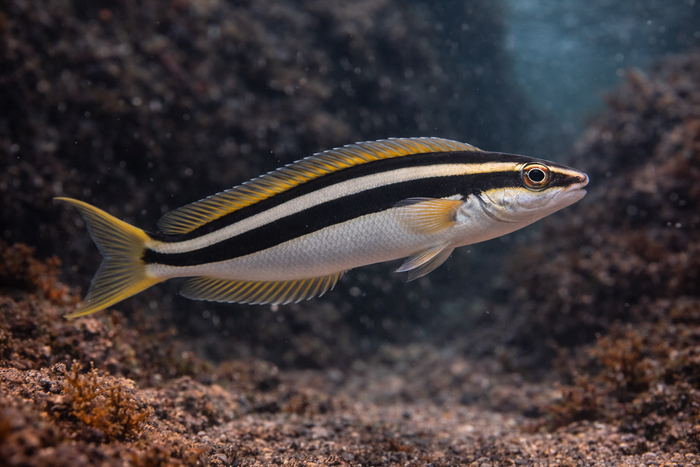
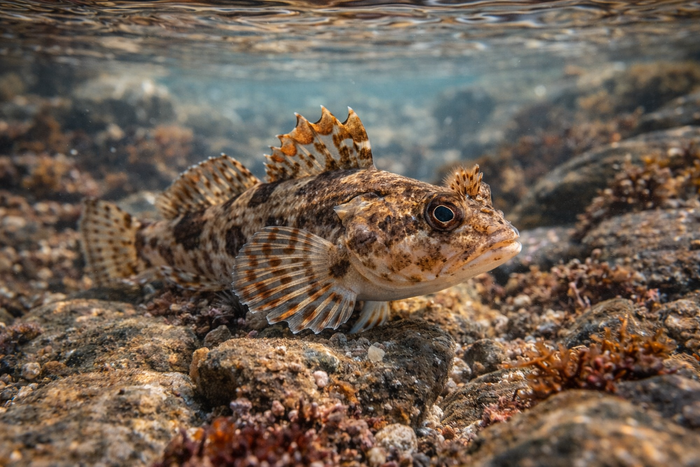
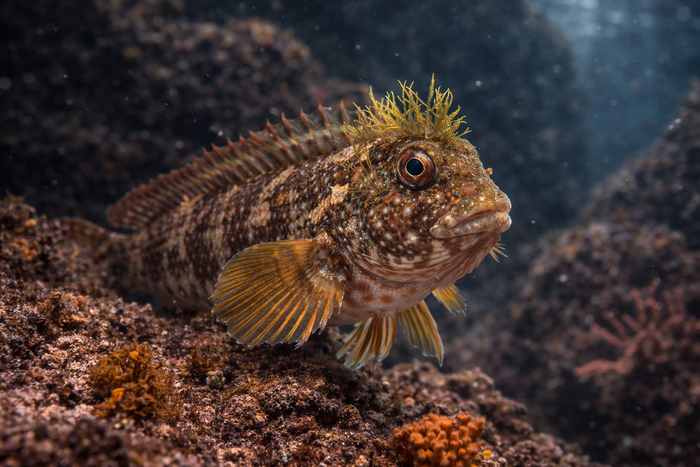
The standout feature of the Masquerade Blenny is its remarkable ability to mimic the appearance of other blennies and reef fish. Its body is adorned with irregular blotches and stripes that break up its outline, making it a natural chameleon in the rocky crevices and coral reefs it calls home. Unlike many blennies that rely on speed or aggression, this species uses visual deception to avoid threats and sneak up on prey.
Another unique trait is its behavior during territorial disputes. Instead of outright aggression, the Masquerade Blenny often engages in elaborate displays, including fin flaring and body posturing, to intimidate rivals without resorting to physical fights. This strategy reduces injury risk and conserves energy, a smart move in the competitive reef environment.
Habitat & Global Range
The Masquerade Blenny inhabits shallow coastal waters, primarily in the western Atlantic Ocean. Its range stretches from the southeastern United States down through the Caribbean and into parts of northern South America. This fish favors rocky reefs, coral rubble, and seagrass beds where it can easily hide and hunt.
Masquerade Blenny habitat is characterized by complex structures that offer plenty of nooks and crannies. These environments provide shelter from predators and abundant feeding opportunities. The species thrives in warm, clear waters with moderate currents, which help deliver a steady supply of plankton and small invertebrates.
Behavior & Temperament
This blenny is a territorial loner, often staking out a small patch of reef or rock and defending it vigorously. Despite its small size, it’s fearless when it comes to protecting its turf. The Masquerade Blenny’s temperament is a mix of cautious and bold—it will dart away at the first sign of a large predator but won’t hesitate to confront similarly sized rivals or potential threats.
Feeding behavior is opportunistic. It primarily grazes on algae and small invertebrates, using its sharp teeth to scrape surfaces or snatch passing prey. The Masquerade Blenny’s mimicry extends to its movement patterns, which can resemble harmless reef fish, allowing it to approach prey without raising alarms.
Ecological Importance
The Masquerade Blenny plays a subtle but vital role in reef ecosystems. By grazing on algae, it helps prevent algal overgrowth that can smother corals and disrupt reef balance. Its presence contributes to the complex food web, serving as both predator and prey.
Moreover, its mimicry and territorial behaviors influence the dynamics of reef fish communities. By competing for space and resources without excessive violence, it helps maintain a more stable and diverse reef environment. This balance supports the health of coral reefs, which are among the most productive and biodiverse ecosystems on the planet.
Conservation & Environmental Pressures
While the Masquerade Blenny is not currently listed as endangered, it faces threats common to many reef dwellers. Habitat degradation from coastal development, pollution, and climate change-induced coral bleaching poses significant risks. The loss of coral reefs and seagrass beds directly impacts the Masquerade Blenny’s habitat and food sources.
Ocean acidification and warming waters can alter the delicate balance of reef ecosystems, potentially reducing the availability of hiding spots and prey. Additionally, increased sedimentation from human activities can cloud waters, making it harder for visually oriented species like the Masquerade Blenny to thrive.
Protecting this species means preserving the broader reef habitats it depends on. Conservation efforts focused on marine protected areas, sustainable coastal management, and reducing carbon emissions are critical for the long-term survival of the Masquerade Blenny and countless other reef inhabitants.
The FishyAF Take
The Masquerade Blenny is a prime example of how clever adaptation can trump brute strength in the underwater world. Its ability to blend in and bluff rivals makes it a fascinating subject for anyone interested in reef ecology or fish behavior. If you want a fish that embodies the phrase “looks can be deceiving,” this is it.
Understanding Masquerade Blenny facts isn’t just about appreciating a quirky fish; it’s about recognizing the intricate relationships that sustain coral reefs. These ecosystems are under siege, and the Masquerade Blenny’s survival hinges on our ability to protect their fragile homes.
In short, the Masquerade Blenny is a small fish with a big story—one of survival, strategy, and the ongoing battle to stay hidden in plain sight. Keep an eye out for this underwater impersonator next time you explore a reef. It’s a reminder that sometimes the most interesting players are the ones you almost miss.