Hairy Blenny (Labrisomus nuchipinnis): The scruffy little rebel of the reef you didn’t know you needed
The Hairy Blenny is not your average reef dweller. Sporting a bristly, almost unkempt appearance that lives up to its name, Labrisomus nuchipinnis stands out among blennies for its bold look and equally bold personality. This fish is a master of disguise and attitude, thriving in shallow coastal waters where it stakes out territory with a mix of curiosity and aggression. For anyone interested in marine life that breaks the mold, the Hairy Blenny is a fascinating subject packed with surprises.
What Makes the Hairy Blenny Unique?
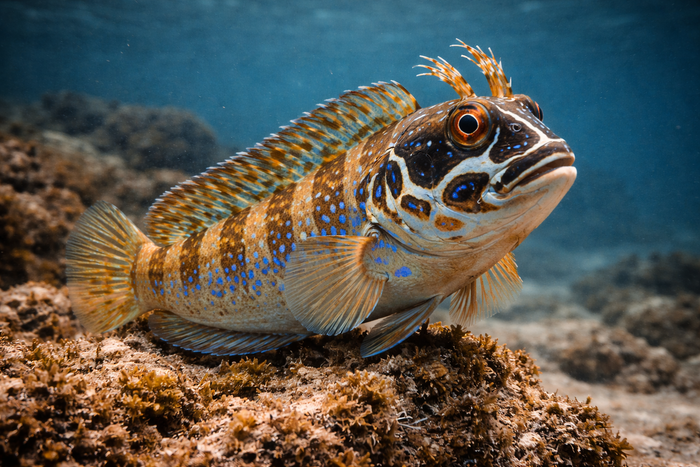
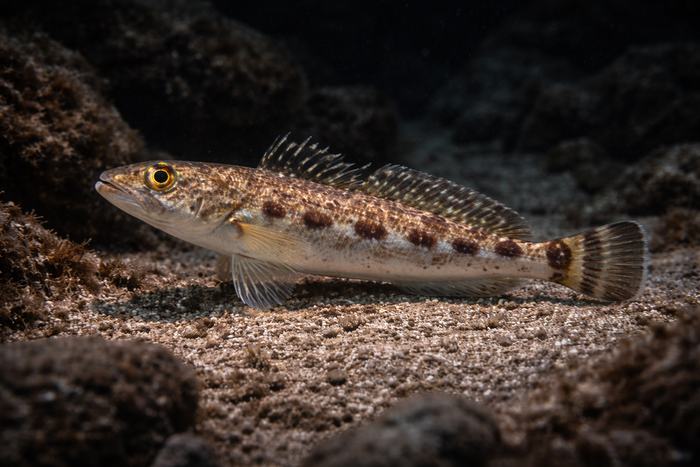
The first thing you notice about the Hairy Blenny is its distinctive “hairy” appearance. Those aren’t actual hairs but cirri—fleshy, filamentous appendages—sprouting from its head and body. These cirri give it a scruffy, almost punk-rock hairstyle that helps it blend into rocky and algae-covered environments. Unlike many fish that rely on speed or schooling for protection, the Hairy Blenny uses camouflage and a tough demeanor to hold its ground.
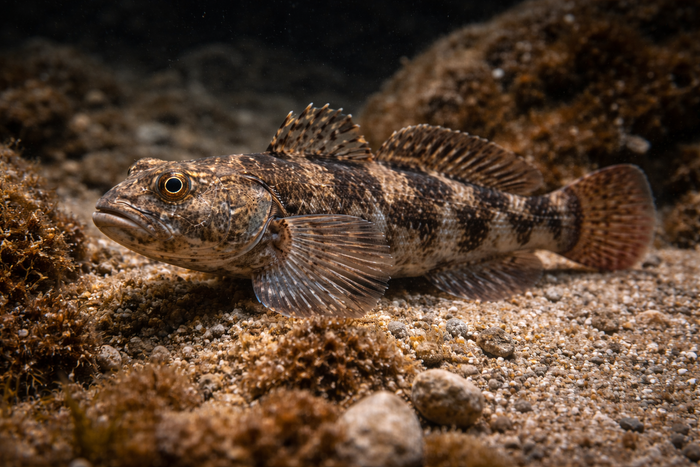
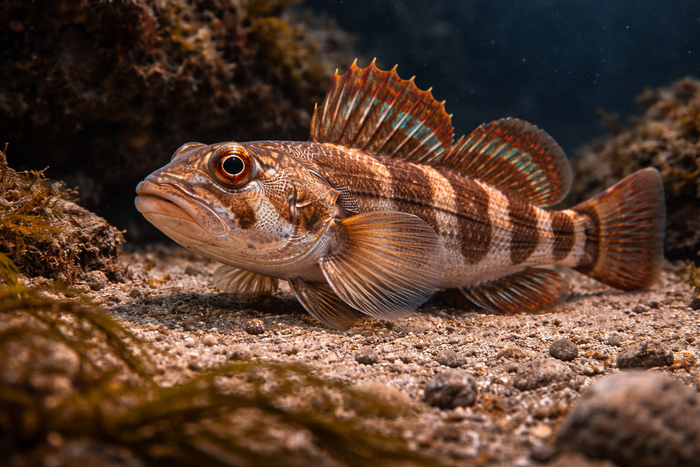
Its coloration varies widely, ranging from mottled browns and greens to reddish hues, perfectly matching the algae and coral it calls home. This adaptability in appearance is a key survival trait, allowing it to avoid predators and ambush prey with ease. The Hairy Blenny’s mouth is another standout feature—large and equipped with sharp teeth, it’s built for a carnivorous diet, primarily small crustaceans and invertebrates.
Habitat & Global Range
The Hairy Blenny is a coastal specialist, found primarily in the western Atlantic Ocean. Its range extends from the southeastern United States, through the Caribbean, and down to parts of Brazil. This species favors shallow waters, typically between 1 and 20 meters deep, where rocky reefs, coral heads, and seagrass beds provide ample hiding spots.
Hairy Blenny habitat is all about complexity and cover. It thrives in environments rich with crevices, algae, and coral rubble—places where it can dart in and out of sight. This preference for structurally diverse habitats makes it an important resident of reef ecosystems, contributing to the overall biodiversity. The fish’s ability to adapt to various microhabitats within this range is a testament to its evolutionary success.
Behavior & Temperament
Don’t mistake the Hairy Blenny’s small size for meekness. This fish is territorial and feisty, often seen defending its chosen nook with vigorous displays and quick strikes. It’s a solitary creature, rarely found schooling, which is unusual for reef fish. Its behavior is a mix of cautious observation and sudden bursts of aggression, especially when intruders encroach on its territory.
The Hairy Blenny is primarily a benthic hunter, prowling the reef floor for unsuspecting prey. It uses its excellent camouflage to remain undetected until the last moment, then lunges with precision. Despite its aggressive streak, it’s not a bully for no reason; this fish maintains a delicate balance in the reef’s food web by controlling populations of small invertebrates.
During breeding, males become even more territorial, guarding nests and fanning eggs to ensure survival. This parental investment is relatively rare among reef fish, highlighting the Hairy Blenny’s commitment to its offspring. Its lifecycle and behaviors contribute to the dynamic social structure of reef communities.
Ecological Importance
The Hairy Blenny plays a subtle but crucial role in reef ecosystems. By preying on small crustaceans and other invertebrates, it helps regulate these populations, preventing overgrazing on algae and maintaining the health of coral reefs. Its presence indicates a balanced ecosystem where predator-prey relationships are intact.
Moreover, the Hairy Blenny serves as prey for larger fish and marine predators, linking lower and higher trophic levels. Its camouflage and territoriality also influence the spatial distribution of other reef organisms, indirectly shaping community dynamics. In essence, this fish is a small but vital cog in the complex machinery of reef life.
Conservation & Environmental Pressures
While the Hairy Blenny is not currently listed as endangered, it faces threats common to many reef inhabitants. Habitat degradation due to coastal development, pollution, and climate change-induced coral bleaching impacts its preferred environments. Loss of coral and algae cover reduces available shelter and hunting grounds, putting pressure on populations.
Fishing practices that damage reef structures also pose risks, even if the Hairy Blenny is not a targeted species. Its reliance on specific habitats makes it vulnerable to environmental shifts. Monitoring Hairy Blenny populations can serve as an indicator of reef health, signaling broader ecological changes that demand attention.
The FishyAF Take
The Hairy Blenny is a perfect example of how nature’s underdogs pack a punch. Its scruffy look and bold behavior make it memorable, but it’s the fish’s ecological role and adaptability that truly impress. This species reminds us that reef ecosystems are intricate tapestries, where even the smallest players have outsized impacts.
For marine enthusiasts and researchers alike, Hairy Blenny facts offer a window into the delicate balance of reef life. Its habitat preferences and territorial nature underscore the importance of protecting coastal environments from human-induced harm. The Hairy Blenny isn’t just another fish; it’s a resilient, scrappy survivor that deserves a spot in the spotlight. Keep an eye out for this bristly rebel next time you dive or snorkel—its story is as rich as the reefs it calls home.