Slippery Dick (Halichoeres bivittatus): The Reef’s Color-Shifting Houdini of the Wrasse World
Meet the Slippery Dick, a wrasse that’s anything but forgettable. This fish is a master of disguise, a vital reef player, and a creature with a name that sticks in your head for all the right reasons. Halichoeres bivittatus is a small but striking species found in the western Atlantic, known for its vibrant colors and dynamic behavior. If you want to understand what makes reef ecosystems tick, the Slippery Dick is a perfect place to start.
What Makes the Slippery Dick Unique?
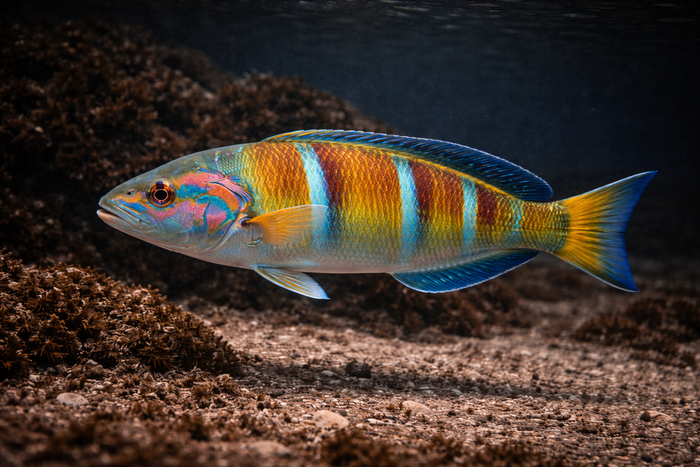
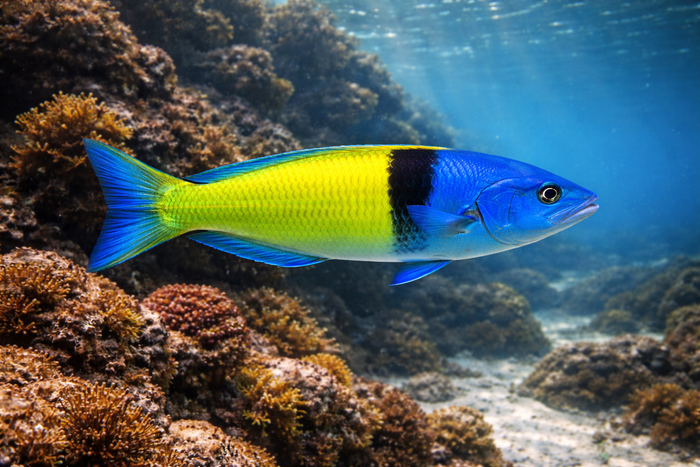
The Slippery Dick isn’t just another pretty face in the reef crowd. Its standout feature is the ability to change color dramatically throughout its life stages. Juveniles sport a bright yellow body with a distinct black spot near the tail, while adults transition through phases that include bold stripes and patches of green, blue, and pink. This color-shifting isn’t just for show—it’s a communication tool, a camouflage tactic, and a sign of maturity.
Another unique trait is its sequential hermaphroditism. The Slippery Dick starts life as a female and can later transform into a male. This sex change is triggered by social cues and environmental factors, ensuring the population maintains a balanced ratio for breeding success. It’s a fascinating evolutionary strategy that keeps the species resilient.
Habitat & Global Range
Slippery Dick habitat spans the western Atlantic Ocean, from the eastern coast of the United States down through the Caribbean and into parts of northern South America. They prefer shallow waters, typically between 1 and 30 meters deep, where coral reefs, rocky outcrops, and seagrass beds provide ample shelter and feeding grounds.
This species thrives in warm, tropical waters with plenty of nooks and crannies to dart into when threatened. The complexity of their habitat is crucial; they rely on reef structures not only for protection but also as hunting grounds for their preferred prey. Understanding Slippery Dick habitat is key to grasping their role in the ecosystem and the challenges they face.
Behavior & Temperament
Slippery Dicks are active diurnal fish, meaning they’re up and about during the day, hunting and socializing. They have a reputation for being bold and curious, often approaching divers and snorkelers with a mix of caution and interest. Their diet consists mainly of small invertebrates like crustaceans, mollusks, and worms, which they skillfully extract from crevices using their sharp teeth.
Socially, they form loose harems with one dominant male overseeing several females. The male aggressively defends his territory but is also responsible for mating and protecting the group. When the dominant male disappears, the largest female will change sex and take over, showcasing their remarkable adaptability.
Ecological Importance
The Slippery Dick plays a vital role in maintaining reef health. By feeding on small invertebrates, they help control populations that might otherwise damage coral structures. Their foraging behavior also contributes to the cleaning of the reef, preventing the buildup of harmful organisms.
Moreover, their presence signals a healthy reef environment. Because they depend on complex habitats and stable social structures, a thriving Slippery Dick population often indicates good water quality and balanced ecosystems. They’re a small but significant cog in the reef’s intricate machinery.
Conservation & Environmental Pressures
Despite their resilience, Slippery Dicks face threats from habitat degradation, pollution, and climate change. Coral reef decline due to warming oceans and acidification directly impacts their habitat availability. Overfishing and destructive fishing practices can also reduce their numbers, either through direct capture or by disrupting the reef ecosystem.
Conservation efforts aimed at protecting coral reefs and regulating fisheries indirectly benefit Slippery Dick populations. Marine protected areas and sustainable tourism practices help preserve the delicate balance these fish depend on. Monitoring Slippery Dick habitat changes can provide early warnings about reef health, making them valuable indicators for conservationists.
The FishyAF Take
The Slippery Dick is more than just a fish with a memorable name. It’s a dynamic, adaptable species that embodies the complexity and beauty of reef life. Its color transformations and sex changes are evolutionary marvels that keep the population balanced and vibrant. Understanding Slippery Dick facts isn’t just trivia—it’s a window into how reef ecosystems function and survive.
For anyone interested in marine biology, reef conservation, or just cool fish behavior, the Slippery Dick offers a compelling story. It reminds us that even the smallest players in the ocean have outsized roles. Protecting their habitat means safeguarding the future of coral reefs and the countless species that depend on them. Keep an eye out for this slippery character next time you dive—it’s a living testament to nature’s ingenuity.