Tautog (Tautoga onitis): The Rock-Smart Fighter of the Atlantic Coast
If you’re after a fish that’s as tough as it is tasty, the tautog demands your attention. Known for its stout body, thick lips, and a reputation for putting up a serious fight, this species is a cornerstone of coastal fishing along the Atlantic seaboard. Tautog onitis isn’t just another bottom-dweller; it’s a master of rocky hideouts and a puzzle for anglers who respect its cunning nature. This guide dives deep into tautog facts, habitat, and behavior to give you the lowdown on one of the most intriguing fish in North American waters.
What Makes the Tautog Unique?
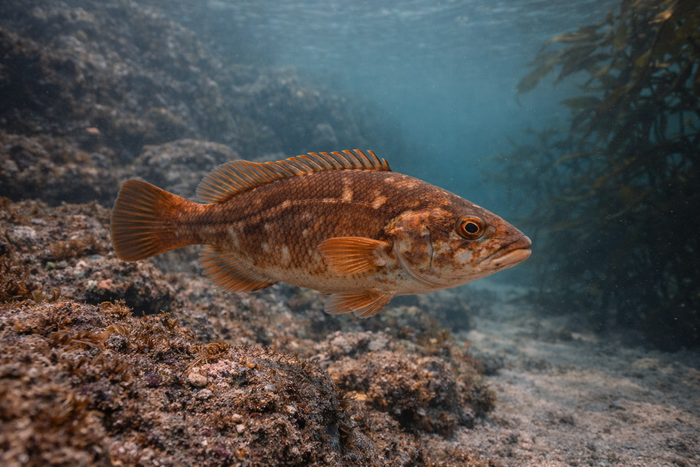
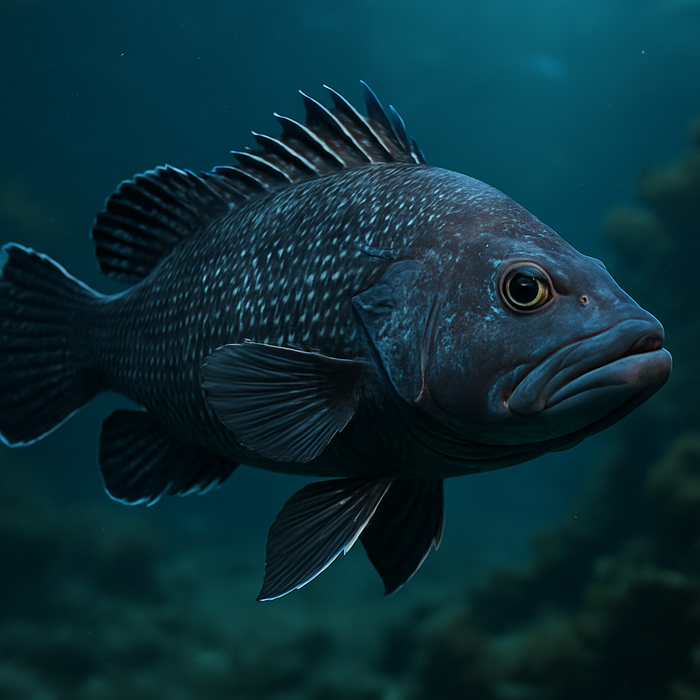
Tautog stands out with its robust, heavy-set frame and a mouth built for crushing. Unlike many fish that rely on speed or stealth, tautog uses brute strength and a specialized jaw to feed. Its teeth are designed to crush hard-shelled prey like crabs, mollusks, and barnacles, making it a natural predator of the rocky reef ecosystem. The tautog’s coloration—mottled dark greens and browns—acts as perfect camouflage against the sea floor’s jagged terrain. This isn’t a fish you’ll spot cruising open water; it’s a creature of structure and shelter.
Another unique trait is its slow growth and longevity. Tautog can live for decades, growing steadily over time, which contributes to its reputation as a challenging catch. Its thick lips and tough skin make it resistant to injury, and its ability to cling to rocky substrates with powerful fins means it’s not easily dislodged by strong currents or predators.
Habitat & Global Range
Tautog habitat is all about structure. This species thrives in rocky bottoms, wrecks, jetties, and reefs along the western Atlantic coast, from Nova Scotia down to South Carolina. The fish prefers shallow coastal waters during warmer months but migrates to slightly deeper waters as temperatures drop. It’s a creature of the continental shelf, rarely venturing far offshore.
The key to tautog habitat is complexity. Rocky outcrops, submerged boulders, and man-made structures provide the perfect cover and feeding grounds. These environments support the crustaceans and mollusks that make up the tautog’s diet. Seasonal movements are tied closely to water temperature and spawning cycles, with tautog often congregating near rocky reefs in spring to reproduce.
Behavior & Temperament
Tautog behavior is a study in patience and precision. This species is not a fast swimmer; it prefers to lurk near the bottom, using its camouflage to ambush prey. Its feeding strategy involves crushing hard shells rather than chasing down fast-moving fish. This makes tautog a specialist predator, relying on its powerful jaws and teeth to access food sources others can’t.
When it comes to temperament, tautog is notoriously stubborn. Anglers know this fish for its strong fight once hooked, often making short, powerful runs and then stubbornly refusing to budge. This behavior is linked to its natural habitat—tight spaces among rocks and reefs where it can hide and resist capture. Tautog’s territorial nature means it often returns to the same spots, making it a predictable target for those who know where to look.
Ecological Importance
Tautog plays a vital role in coastal ecosystems. By preying on crustaceans and mollusks, it helps regulate these populations, maintaining a balance that supports reef health. Its feeding habits contribute to controlling invasive species and preventing overgrowth of certain invertebrates that could otherwise damage reef structures.
Moreover, tautog serves as prey for larger predators, including sharks and seals, integrating it firmly into the food web. Its presence indicates a healthy, structured habitat, as it depends on complex environments for shelter and feeding. The species’ role as both predator and prey makes it an essential component of the Atlantic coastal marine ecosystem.
Conservation & Environmental Pressures
Despite its resilience, tautog faces several conservation challenges. Overfishing is a significant threat due to its popularity among recreational anglers and commercial fisheries. The fish’s slow growth and late maturity mean populations recover slowly from depletion. Strict regulations, including size limits and seasonal closures, have been implemented in many areas to protect tautog stocks.
Habitat degradation is another concern. Coastal development, pollution, and the destruction of rocky reefs and wrecks reduce the available habitat for tautog. Climate change also poses risks by altering water temperatures and affecting the distribution of prey species. Maintaining healthy tautog populations requires ongoing management efforts focused on habitat protection and sustainable fishing practices.
The FishyAF Take
Tautog is a fish that demands respect. It’s not just a prize catch for its flavor but a fascinating species that embodies the rugged complexity of Atlantic coastal ecosystems. Understanding tautog facts and habitat is crucial for anglers and conservationists alike. This fish’s tough, slow-growing nature makes it vulnerable to overexploitation, but its ecological role is too important to ignore.
If you want to fish for tautog, know your spots—rocky bottoms, wrecks, and reefs are the battlegrounds. Be prepared for a fight that tests patience and skill. And remember, protecting tautog habitat is protecting the future of a species that’s as bold and memorable as the fight it puts up. In the world of saltwater fishing, tautog isn’t just another catch; it’s a challenge and a symbol of the wild Atlantic coast.