Bluehead Wrasse (Thalassoma bifasciatum): The Caribbean’s Flashy Speedster with a Colorful Personality
The Bluehead Wrasse is one of the most recognizable reef fish in the Caribbean, flaunting a vibrant blue head and a body that shifts through a kaleidoscope of colors. This small but striking fish packs a punch in both personality and ecological role. If you’ve ever snorkeled or dived in tropical Atlantic waters, chances are you’ve encountered this darting jewel. Beyond its flashy looks, the Bluehead Wrasse offers fascinating insights into reef dynamics, social structure, and survival strategies.
What Makes the Bluehead Wrasse Unique?
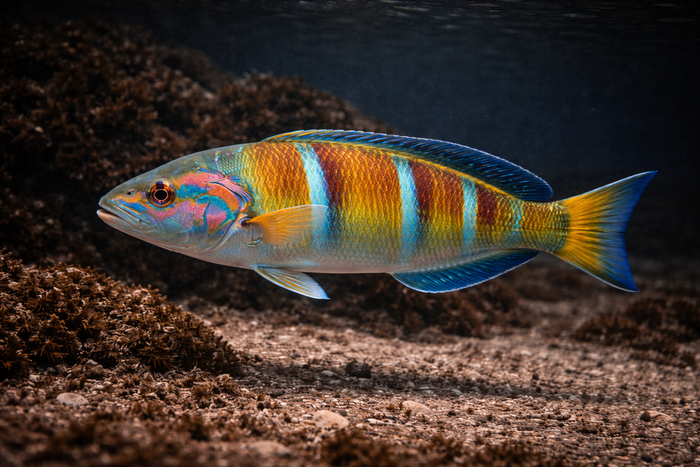
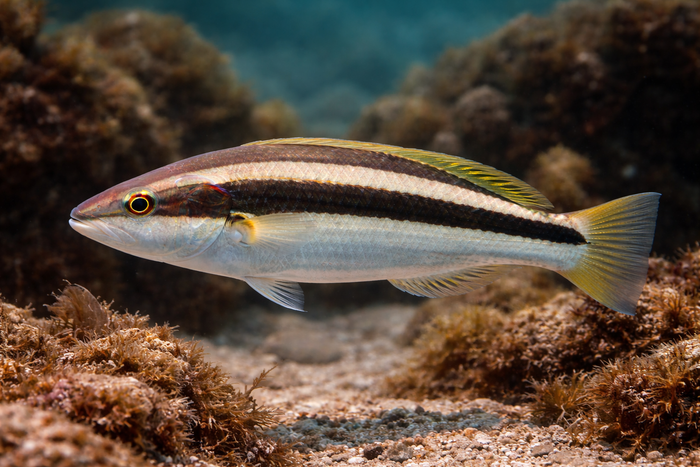
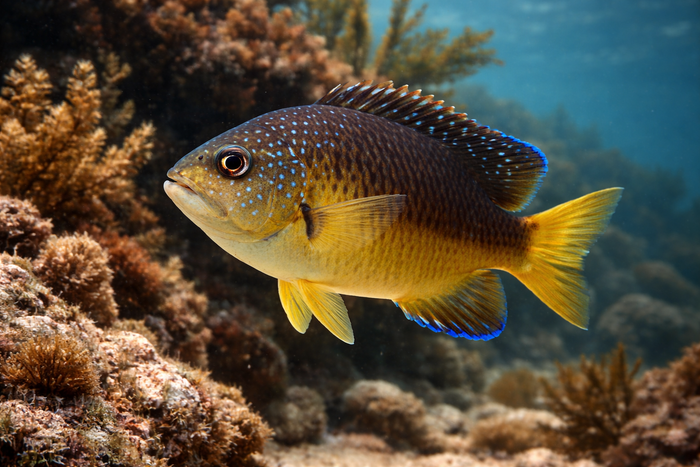
The Bluehead Wrasse stands out for several reasons, starting with its dazzling coloration. Males sport a bright blue head with a yellow-green body, while females and juveniles tend to be more muted but still colorful. This species is a master of transformation—sex change is part of its life script. Bluehead Wrasses are protogynous hermaphrodites, meaning individuals start life as females and can later become males, usually triggered by social cues like the absence of a dominant male.
Their speed and agility are legendary on the reef. Bluehead Wrasses zip through coral branches with precision, evading predators and hunting small invertebrates. Their diet includes crustaceans, mollusks, and other tiny critters, making them effective cleaners and pest controllers on the reef.
Habitat & Global Range
Bluehead Wrasse habitat centers around coral reefs and rocky substrates in the western Atlantic Ocean. Their range extends from Bermuda and Florida, down through the Caribbean Sea, and along the coast of Central and South America. They thrive in shallow waters, typically between 1 and 20 meters deep, where coral cover is abundant.
This species is a reef loyalist, relying on complex coral structures for shelter and breeding grounds. The health of coral reefs directly influences Bluehead Wrasse populations, as these fish depend on the nooks and crannies for protection and hunting grounds. Their presence is often a good indicator of reef vitality.
Behavior & Temperament
Bluehead Wrasses are social, fast-moving fish with a clear social hierarchy. Males are territorial and fiercely guard their harems of females. The dominant male’s bright blue head is a visual signal of status. When a dominant male disappears, the largest female undergoes a rapid sex change to take over the role, complete with a color transformation.
They are diurnal, active during the day, and retreat to the reef at night. Their behavior includes cleaning activities where they pick parasites off larger fish, a mutualistic relationship that benefits both parties. This cleaning role adds a layer of complexity to their social interactions and ecosystem function.
Despite their small size, Bluehead Wrasses are bold and curious, often approaching divers and snorkelers. Their speed and agility make them difficult targets for predators, but they remain vigilant and quick to dart into coral cover when threatened.
Ecological Importance
Bluehead Wrasses play a crucial role in maintaining reef health. Their diet helps control populations of small invertebrates that could otherwise damage coral. By cleaning parasites off other fish, they contribute to the overall health of reef communities.
Their sex-changing ability ensures stable breeding populations even when dominant males are removed, which is vital for sustaining numbers in dynamic reef environments. This adaptability helps maintain genetic diversity and resilience.
As prey, they support larger predatory fish, forming an essential link in the reef food web. Their presence indicates a balanced ecosystem where predator and prey coexist in a delicate but effective equilibrium.
Conservation & Environmental Pressures
Coral reef degradation poses the biggest threat to Bluehead Wrasse populations. Pollution, climate change, and destructive fishing practices reduce coral cover and reef complexity, directly impacting their habitat. Without healthy reefs, these fish lose shelter and breeding sites.
Overfishing is less of a direct threat since Bluehead Wrasses are not a primary target species, but bycatch and habitat damage from fishing gear can still affect them. Additionally, ocean warming and acidification threaten coral reefs globally, which in turn jeopardizes the Bluehead Wrasse’s survival.
Conservation efforts aimed at protecting coral reefs, establishing marine protected areas, and reducing pollution are critical for preserving Bluehead Wrasse habitat. Monitoring their populations can also serve as an early warning system for reef health.
The FishyAF Take
The Bluehead Wrasse is a reef rockstar—small, flashy, and endlessly fascinating. Its ability to change sex on command and maintain social order is a biological marvel. This fish isn’t just a pretty face; it’s a vital player in reef ecosystems, keeping coral communities healthy and balanced.
If you want to understand coral reefs, start with the Bluehead Wrasse. It’s a living barometer of reef health and resilience. Protecting this species means protecting the entire reef system, which is under siege worldwide. So next time you spot a Bluehead Wrasse darting through the coral, appreciate the evolutionary genius and ecological importance packed into that tiny, electric blue head.
For anyone interested in Bluehead Wrasse facts or curious about Bluehead Wrasse habitat, remember this: their survival is intertwined with the fate of coral reefs. Keep reefs healthy, and these vibrant fish will keep flashing their colors for generations to come.