Hogfish (Lachnolaimus maximus): The Ocean’s Own Snouty Sculptor with a Taste for Trouble
The hogfish is not your average reef dweller. Sporting a pig-like snout that looks like it was designed by a marine prankster, this fish commands attention both for its appearance and its role in the underwater ecosystem. Known scientifically as Lachnolaimus maximus, the hogfish is a prized catch among anglers and a fascinating subject for marine enthusiasts. This species blends bold looks with smart survival tactics, making it a standout in the crowded coral reef neighborhoods of the western Atlantic.
What Makes the Hogfish Unique?
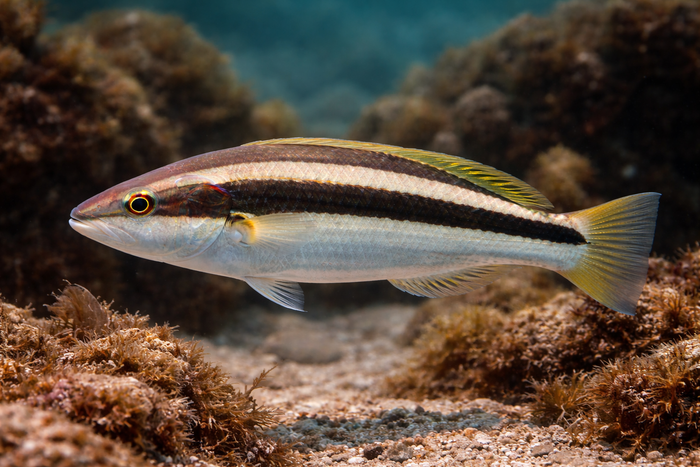
First off, the hogfish’s defining feature is its elongated, flexible snout. This isn’t just for show—it’s a precision tool used to root out crustaceans and mollusks hiding in the reef’s nooks and crannies. Think of it as a biological crowbar, perfect for flipping over rocks and digging into crevices. The hogfish’s jaw structure allows it to snatch prey with remarkable speed and accuracy.
Another standout trait is its ability to change sex. Hogfish are protogynous hermaphrodites, meaning they start life as females and can transform into males later on. This switch is not random; it’s a strategic move tied to social hierarchy and reproductive success. Dominant males control harems, and when the alpha male disappears, the largest female steps up to take his place. This fluid gender dynamic adds a layer of complexity to hogfish social structure rarely seen in other reef fish.
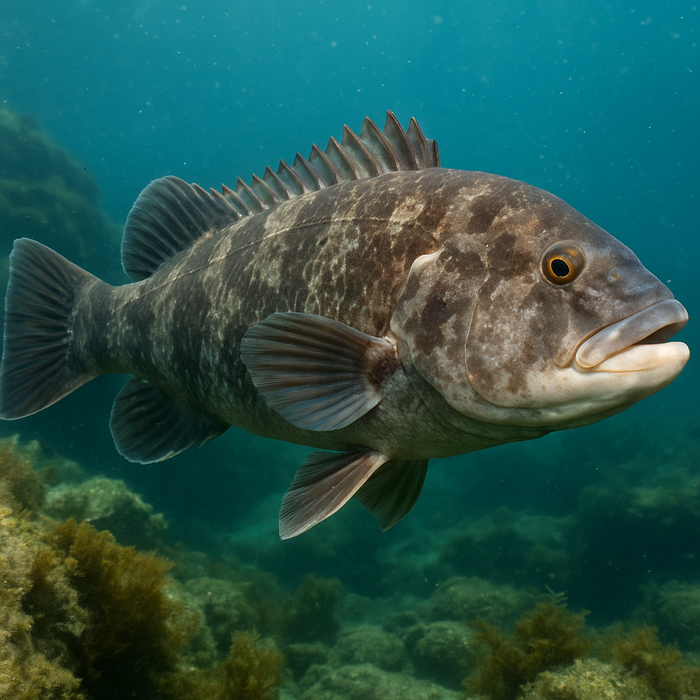
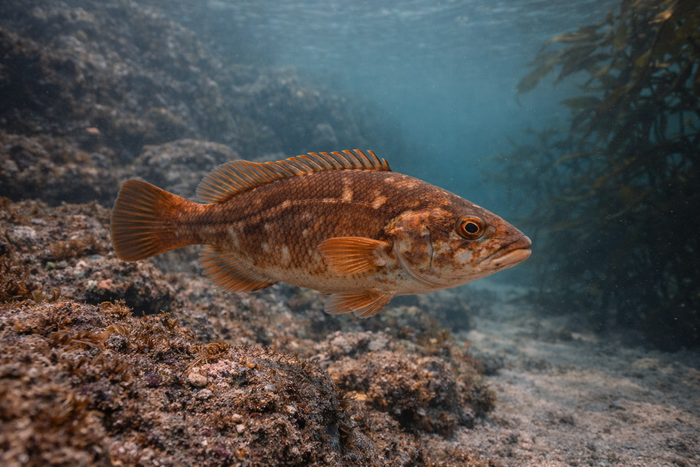
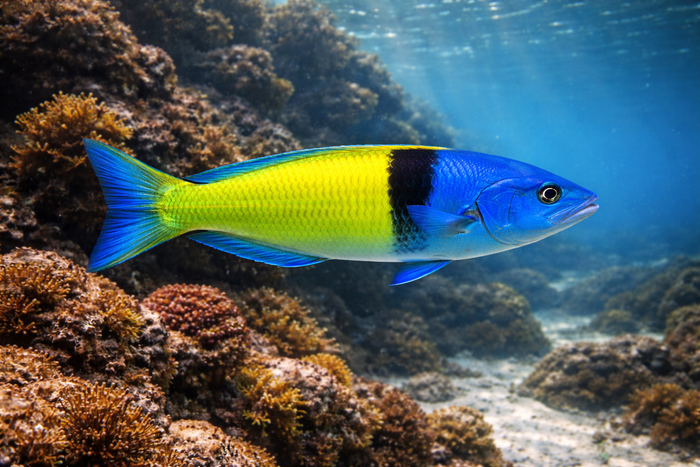
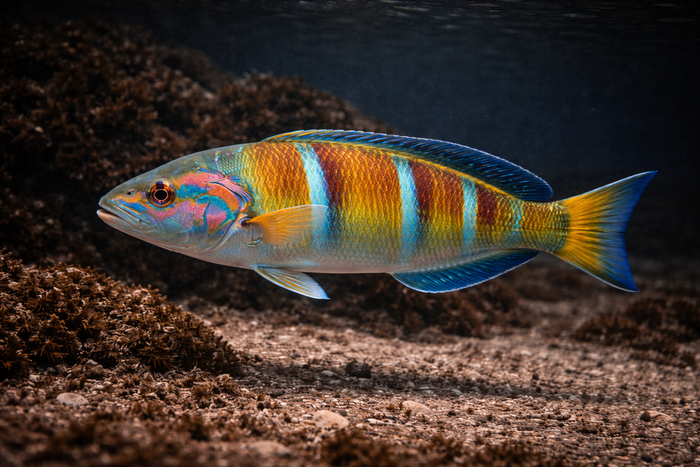
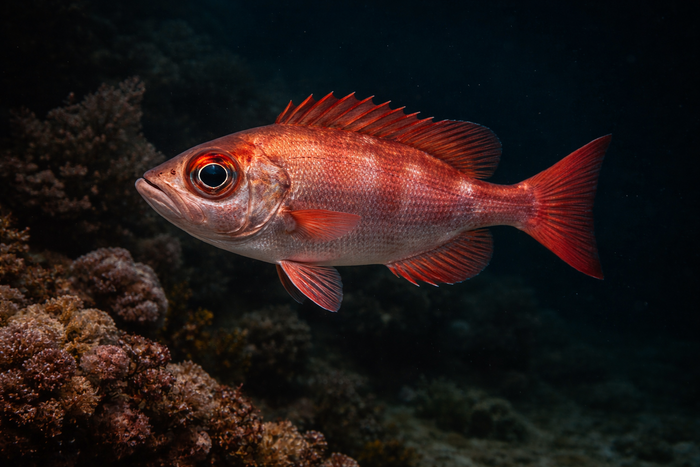
Coloration is another point of interest. Juveniles and females tend to sport a more muted palette of browns and grays, while dominant males flash vibrant reds and whites, signaling their status and readiness to defend territory or attract mates. This color shift is a visual cue that keeps the social order in check.
Habitat & Global Range
Hogfish habitat is primarily centered around the western Atlantic Ocean, stretching from the coastal waters of North Carolina down through the Gulf of Mexico and the Caribbean Sea, reaching as far south as Brazil. They prefer warm, shallow waters where coral reefs, rocky outcrops, and seagrass beds provide ample hiding spots and hunting grounds.
These fish are reef specialists but not reef slaves. They roam the reef edges and sandy bottoms, often seen patrolling areas rich in sponges and crustaceans. Hogfish habitat is typically between 10 and 100 meters deep, where water clarity and temperature create the perfect conditions for their foraging style. The complexity of their environment demands a fish that’s both adaptable and cunning, and hogfish deliver on both counts.
Behavior & Temperament
Hogfish are solitary hunters with a reputation for being bold and curious. They don’t shy away from divers or fishermen, often inspecting their surroundings with a confident swagger. Their snout isn’t just a tool for feeding; it’s also used in displays of dominance and territorial disputes.
During breeding season, males become aggressively territorial, defending their harems with a mix of color displays and physical posturing. Outside of mating periods, hogfish tend to be more relaxed but remain vigilant predators. Their diet is a carnivore’s dream: crabs, shrimp, sea urchins, and mollusks make up the bulk of their meals. Their hunting technique is methodical, flipping over rocks and probing crevices with surgical precision.
Hogfish are diurnal, meaning they’re active during the day and retreat to shelter at night. They use their keen eyesight and snout to navigate the reef’s labyrinthine structure, making them efficient and effective hunters.
Ecological Importance
Hogfish play a crucial role in maintaining the balance of reef ecosystems. By preying on crustaceans and other invertebrates, they help control populations that could otherwise damage coral structures or outcompete other species. Their feeding habits contribute to the health of the reef by preventing overgrowth of certain organisms.
Moreover, hogfish serve as a food source for larger predators, linking different trophic levels within the marine food web. Their presence indicates a healthy reef system, as they require specific habitat conditions and prey availability to thrive.
Conservation & Environmental Pressures
Despite their robust appearance and adaptability, hogfish face several conservation challenges. Overfishing is a significant threat, driven by their popularity as a game fish and a culinary delicacy. In some regions, hogfish populations have declined due to unregulated fishing pressure, especially during spawning seasons when males are most vulnerable.
Habitat degradation also poses a risk. Coral reef decline from pollution, climate change, and ocean acidification reduces the available habitat and prey for hogfish. As reef structures deteriorate, hogfish lose both shelter and hunting grounds, which can lead to population stress.
Marine protected areas and fishing regulations have been implemented in some parts of their range to curb overexploitation. These measures aim to preserve hogfish populations and the health of the reef ecosystems they inhabit.
The FishyAF Take
The hogfish is a masterclass in evolutionary design and ecological balance. Its snout is not just a quirky feature but a finely tuned instrument of survival. The ability to change sex adds a fascinating social twist that keeps reef dynamics fluid and adaptable. Hogfish habitat preferences highlight the importance of healthy coral reefs and seagrass beds, ecosystems that are under siege worldwide.
For anglers and conservationists alike, hogfish represent both a challenge and a responsibility. They demand respect for their role in the ecosystem and caution in how we harvest them. Understanding hogfish facts and their habitat needs is essential for ensuring these snouty sculptors continue to thrive beneath the waves.
In short, the hogfish is not just another reef fish. It’s a bold, memorable character in the underwater drama, one that deserves attention, protection, and a spot on your marine radar.