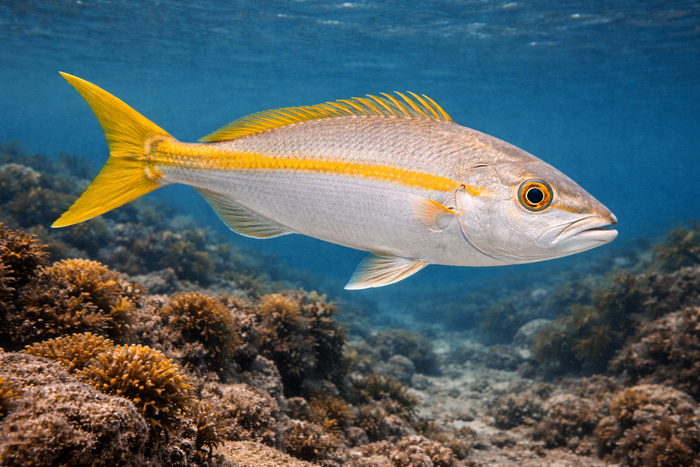
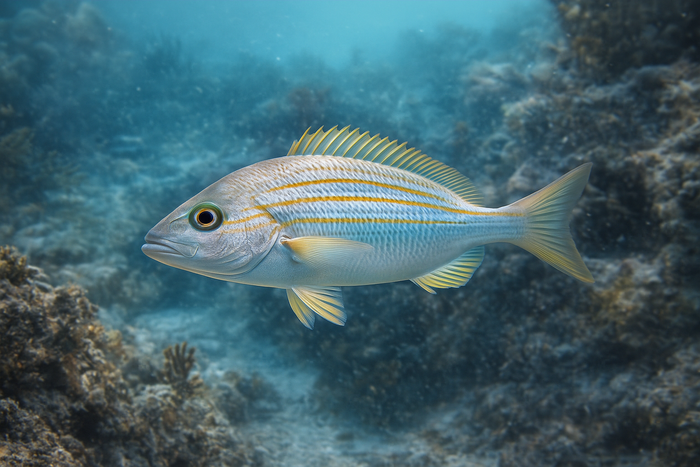
Glasseye Snapper (Heteropriacanthus cruentatus): The Shimmering Sentinel of Coastal Waters
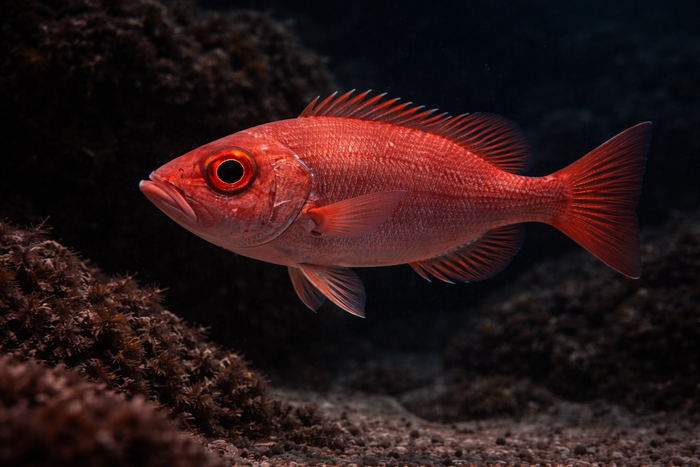
The Glasseye Snapper is no wallflower in the underwater world. Known for its striking, almost translucent eyes and vibrant red hues, this species commands attention wherever it swims. It’s a mid-sized snapper that blends beauty with boldness, making it a favorite among anglers and marine enthusiasts alike. But beyond its flashy appearance, the Glasseye Snapper plays a crucial role in coastal ecosystems and offers a fascinating glimpse into the complexity of reef-associated fish.
What Makes the Glasseye Snapper Unique?
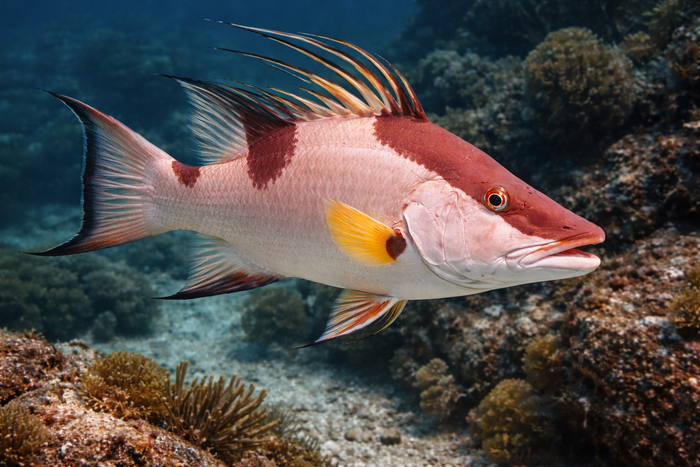
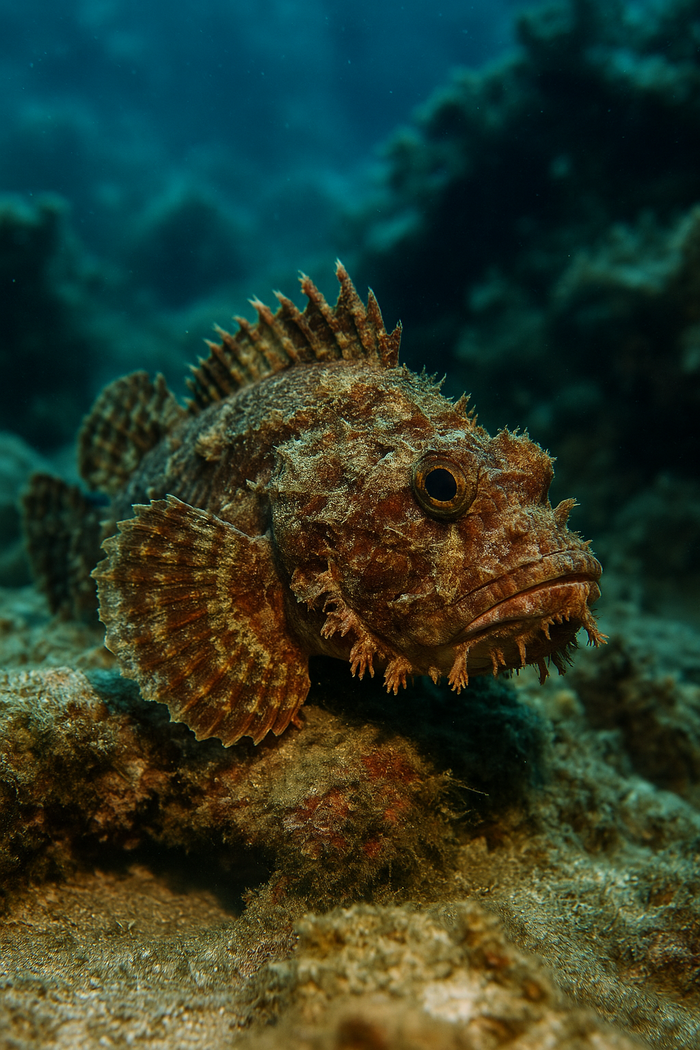
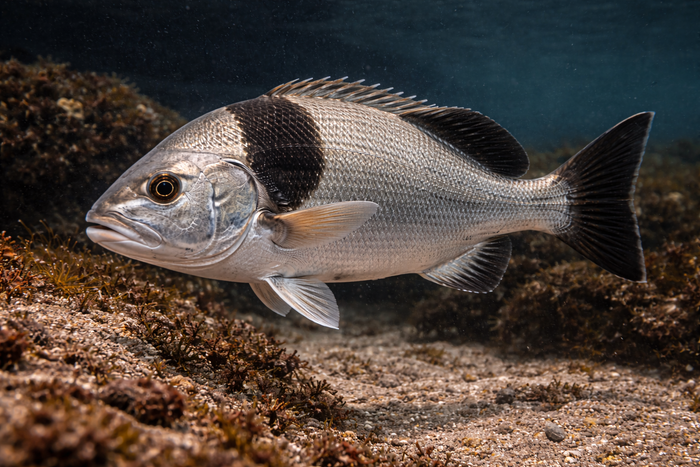
The standout feature of the Glasseye Snapper is, unsurprisingly, its large, glassy eyes that seem to glow with an eerie intensity. These eyes are not just for show—they’re perfectly adapted for low-light conditions, allowing the fish to hunt effectively during dawn, dusk, and nighttime. Its body sports a sleek, silvery sheen with a reddish tint, and a distinctive black spot near the pectoral fins adds a dash of character.
Unlike many snappers that stick close to reefs, the Glasseye Snapper is a bit of a free spirit. It often patrols open waters near drop-offs and rocky ledges, showing a preference for midwater hunting rather than bottom dwelling. This species also exhibits schooling behavior, which is somewhat unusual for snappers, providing both protection and hunting efficiency.
Habitat & Global Range
Glasseye Snapper habitat spans tropical and subtropical waters across the Atlantic Ocean, including the Caribbean Sea, Gulf of Mexico, and along the western coast of Africa. They favor coastal environments where reefs meet open water, often found at depths ranging from 10 to 150 meters. Their presence is a reliable indicator of healthy reef systems and well-oxygenated waters.
These fish thrive around rocky substrates, coral reefs, and sometimes near shipwrecks or artificial reefs. The complexity of these habitats offers ample hiding spots and hunting grounds. Their preference for midwater zones near drop-offs means they occupy a niche that bridges reef dwellers and pelagic hunters, making their habitat choice a fascinating study in ecological adaptation.
Behavior & Temperament
Glasseye Snappers are opportunistic predators with a diet consisting mainly of small fish, crustaceans, and planktonic organisms. Their large eyes give them an edge in low-light hunting, allowing them to strike swiftly and accurately. They often hunt in small schools, which enhances their ability to corner prey and avoid larger predators.
Despite their schooling tendencies, these snappers can be territorial when it comes to prime hunting grounds. They exhibit bursts of speed and agility, darting in and out of crevices or open water with precision. Their temperament is generally cautious but curious, making them approachable for divers but not easily caught off guard.
Ecological Importance
The Glasseye Snapper holds a vital position in reef ecosystems. As mid-level predators, they help regulate populations of smaller fish and invertebrates, maintaining a balanced food web. Their schooling behavior can influence the distribution and behavior of prey species, indirectly shaping the reef community structure.
Moreover, they serve as prey for larger predators such as groupers, sharks, and barracudas, linking lower and higher trophic levels. Their presence contributes to the overall biodiversity and resilience of reef habitats, making them an essential component of marine ecological health.
Conservation & Environmental Pressures
While not currently listed as endangered, the Glasseye Snapper faces threats from overfishing and habitat degradation. Coastal development, pollution, and coral reef destruction reduce the availability of suitable habitats, impacting their populations. Their schooling nature makes them vulnerable to net fishing techniques, which can lead to rapid local declines.
Climate change adds another layer of pressure by altering water temperatures and affecting coral reef health. These changes can disrupt spawning cycles and food availability. Protecting Glasseye Snapper habitat through marine protected areas and sustainable fishing practices is critical to ensuring their long-term survival.
The FishyAF Take
The Glasseye Snapper is a prime example of how form meets function in the marine world. Its luminous eyes and schooling habits are not just quirks but finely tuned adaptations for survival. This species deserves more attention—not just for its striking looks but for its ecological role and the lessons it offers about reef dynamics.
If you’re serious about understanding coastal ecosystems or want a fish that embodies the balance between beauty and brawn, the Glasseye Snapper is your go-to. Keep an eye on this shimmering sentinel; it’s a barometer for the health of our reefs and a reminder that even mid-level predators have a big story to tell.
For those diving into Glasseye Snapper facts or curious about Glasseye Snapper habitat, remember this fish is more than a pretty face. It’s a key player in the underwater drama, and its future depends on how well we manage and protect our marine environments.